Guides
Where to stargaze near Denver, from Rocky Mountain to Great Sand Dunes
Stargazing near Denver runs from Rocky Mountain National Park to Great Sand Dunes, with drive times, moon windows and dark sky club star parties.
What to take away
- Rocky Mountain National Park is the closest dark sky to Denver, 1 hour 45 minutes to the Beaver Meadows Entrance, 2 hours 30 minutes to Grand Lake.
- Great Sand Dunes holds the darkest sky within a day's drive of the city, about 4 hours each way, and is worth an overnight.
- Florissant Fossil Beds is the weeknight option at about 2 hours, with Saturday astronomy programs in warm months.
- Moon phase decides more than location. A full moon flattens the Milky Way even at the dunes.
- Colorado clubs run free public star parties and often lend telescopes to newcomers.
- Trail Ridge Road closes with snow, usually late October into late May, which removes the highest pullouts.
What makes a night work
Three things decide a Denver stargazing night: how far you drive, what the moon is doing, and whether the sky clears. Denver's glow reaches well into the foothills, so an hour of driving is the floor, not the goal.
The Park Service treats darkness as a resource rather than a backdrop. Its page on natural night skies explains why natural light belongs to the ecosystem.
The Night Skies Program hub lists participating units, monitoring work and ranger programs, including Rocky Mountain and Great Sand Dunes.
Check the NOAA forecast for the park itself, never for Denver. Mountain and valley weather diverge within an hour.
To compare how dark Colorado's designated parks actually get, see our ranking of Colorado dark sky parks.
Rocky Mountain National Park
Rocky Mountain is the closest dark sky to the city. Beaver Meadows, near Estes Park, is 1 hour 45 minutes from downtown via US-36. Grand Lake, on the west side, runs closer to 2 hours 30 minutes.
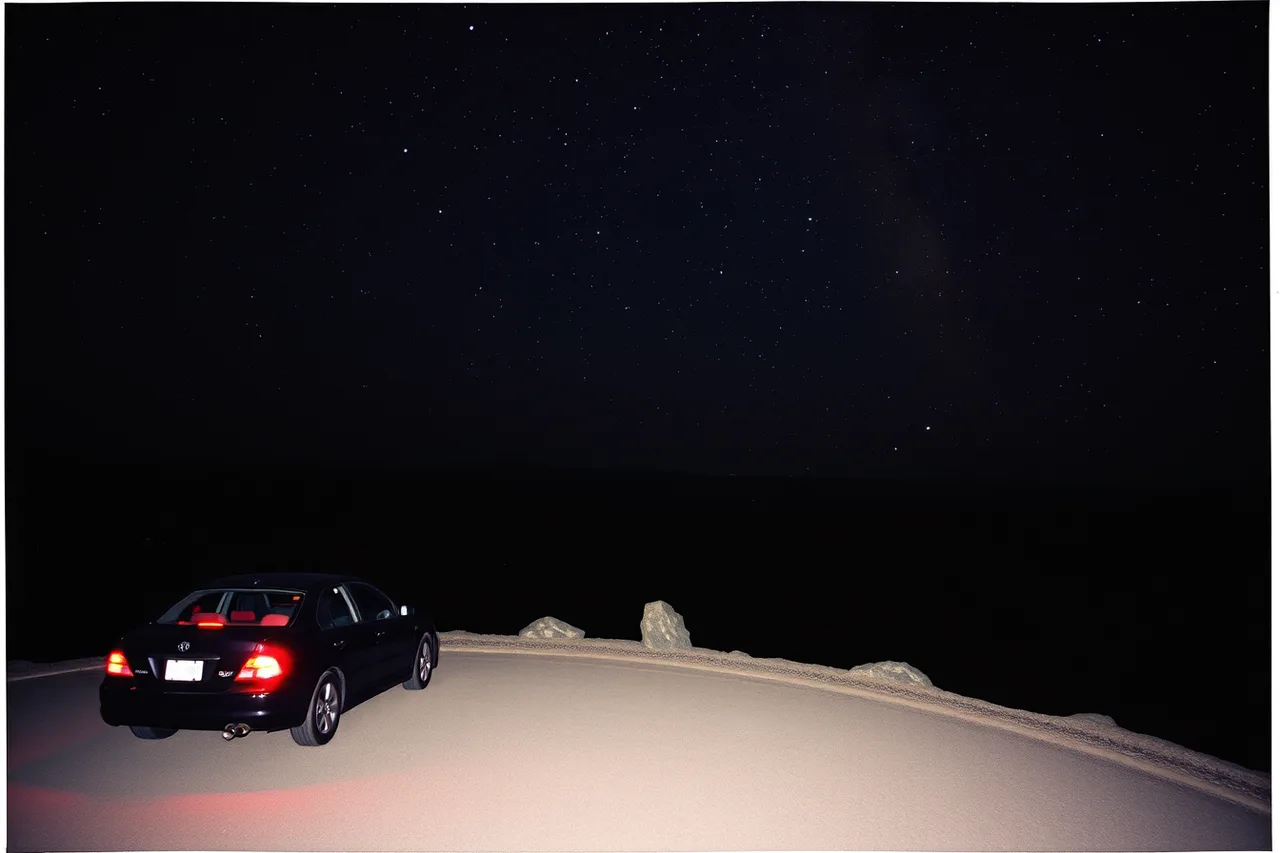
Trail Ridge Road crosses above 12,000 feet and closes with snow, usually late October into late May. In summer it opens high pullouts with wide northern horizons.
Moraine Park near Beaver Meadows, the Endovalley picnic area and the Alpine Visitor Center lot all sit away from Estes Park's worst light. Timed entry applies in parts of the year, so confirm the current rule before you drive up.
Rangers and volunteers run public telescope nights. Upcoming dates across the park system appear on the Night Sky Events calendar.
Great Sand Dunes National Park
Great Sand Dunes holds some of the darkest sky in the lower 48. It sits in the San Luis Valley, far from Front Range light domes, and the park manages to keep it close to natural.
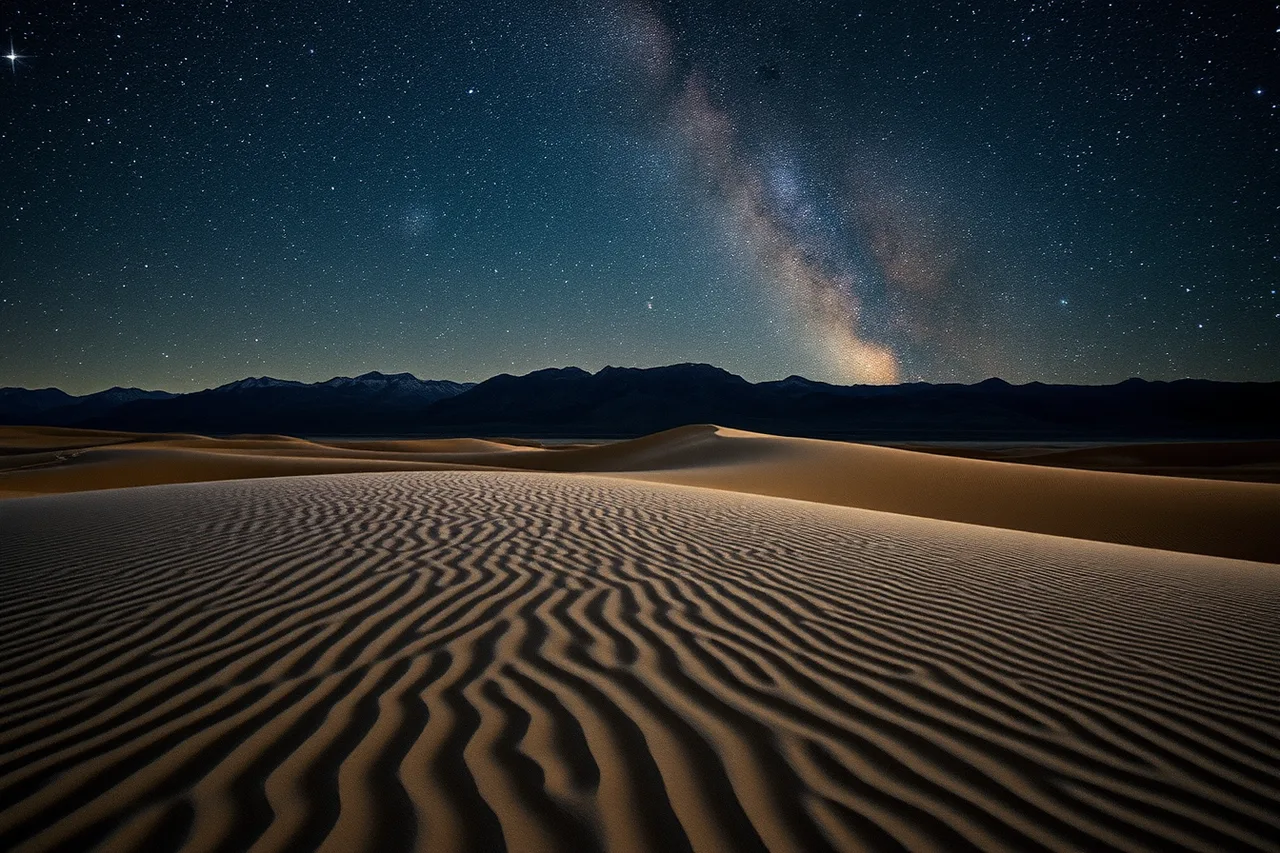
The drive is about 4 hours via US-285 and CO-17, a little longer through Colorado Springs and Walsenburg. Treat it as an overnight, not a day trip.
The dunefield gives an open horizon in every direction, and summer sand stays warm enough to sit on into the evening. Medano Creek is the other main viewing area.
Summer ranger programs include telescope viewing and night walks, with dates that change yearly. Piñon Flats Campground sits inside the park; backcountry sites on the dunes need a permit and a hike.
The dunes pair well with Sangre de Cristo viewpoints on a two-night itinerary.
Florissant Fossil Beds
Florissant Fossil Beds National Monument sits west of Colorado Springs, about 2 hours from Denver via US-24. It is the realistic weeknight trip.
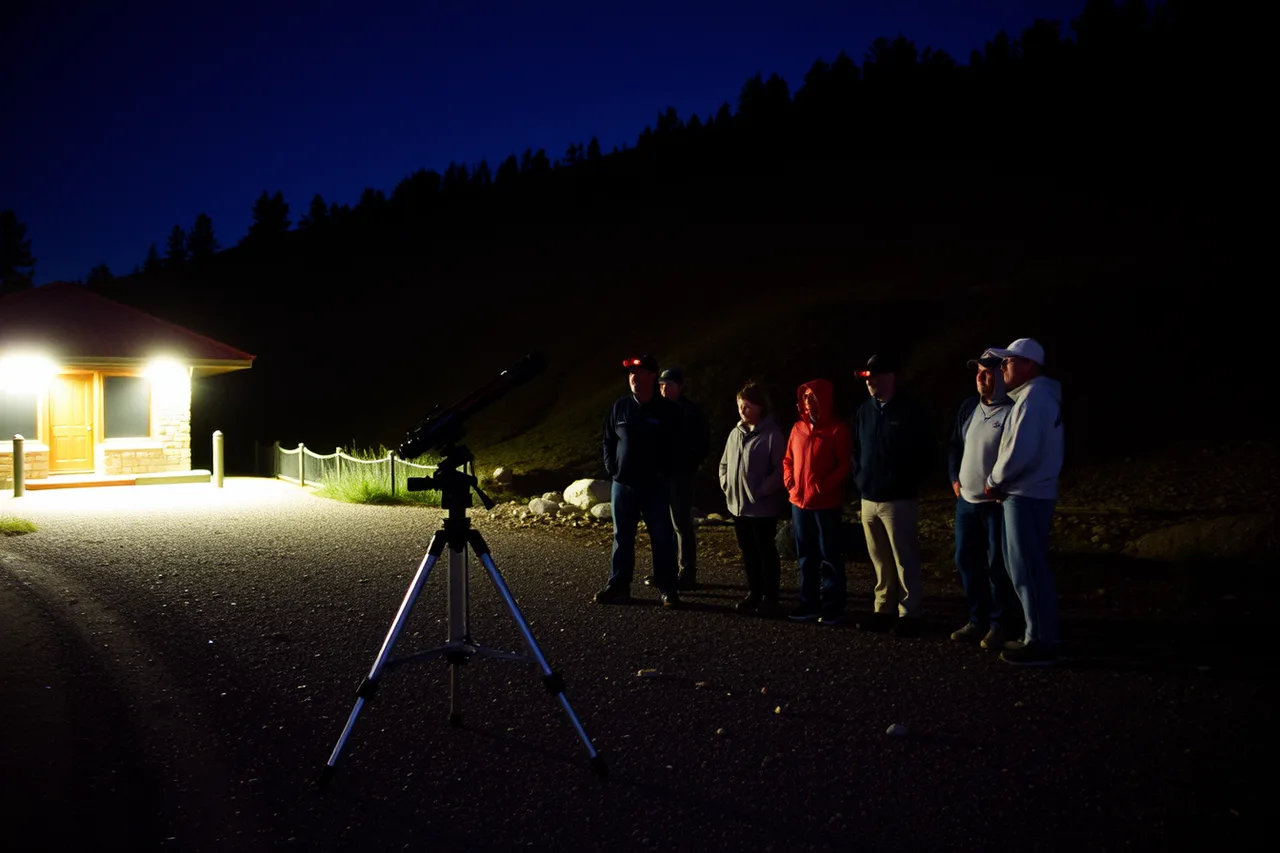
The monument protects fossil beds and the dark sky above them, and runs astronomy programs, often Saturday evenings in warmer months, with telescopes near the visitor center.
Front Range glow costs you something here. The sky is not Great Sand Dunes, but it beats anything inside the metro by a wide margin, and the short drive is the point.
Arrive before sunset to walk the trails and get oriented. The visitor center closes in the evening, so carry your own water, red light and layers. It works as one of several stops worth adding on a southern Colorado loop.
Clubs, star parties and borrowed telescopes
Colorado's amateur astronomy community is active and mostly free to join for an evening. A public star party is the cheapest way to look through a large telescope before you buy one.
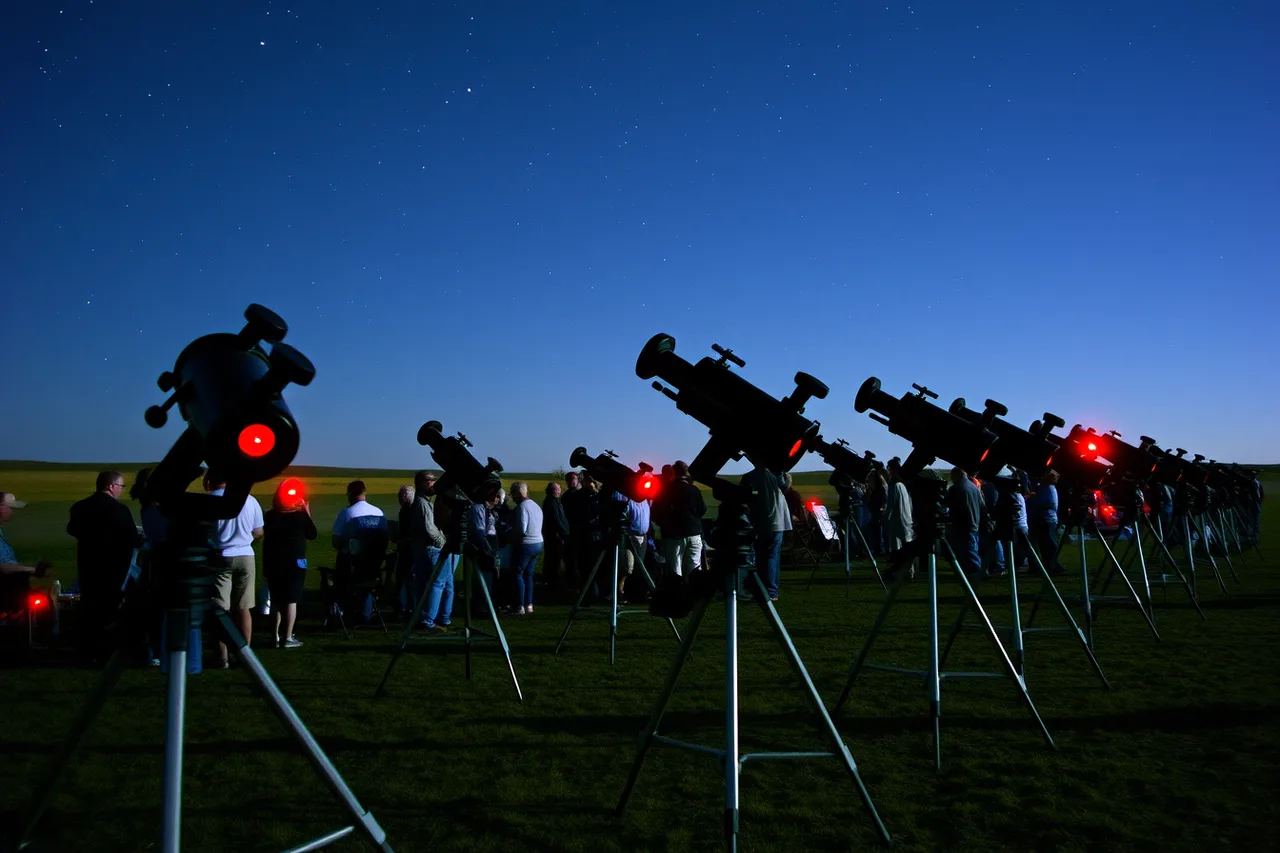
The Denver Astronomical Society is the largest club in the region, hosting public nights at Chamberlin Observatory near the University of Denver and at darker sites east of the city.
The Colorado Springs Astronomical Society covers the southern Front Range and often partners with Florissant. The Longmont Astronomical Society and the Boulder Astronomy and Space Society serve the northern Front Range, closer to Rocky Mountain.
The Western Colorado Astronomy Club works out of Grand Junction, useful on a western slope run. The Sangre de Cristo Astronomy Club covers the San Luis Valley near the dunes.
Schedules live on club websites, and drop-ins are usually welcome. Bring a chair and dress warmer than the forecast suggests.
Season, altitude and weather
Colorado stargazes year round, but access and comfort swing hard. Summer brings the most programs and the most people. Winter brings early darkness, clear air and closed roads.
Afternoon thunderstorms build in the mountains from June through August and usually clear by evening, though not always. Build a spare night into any plan.
Denver sits at 5,280 feet and many viewing spots sit above 8,000. Arriving from sea level changes how the night feels, so give yourself a day and ask a physician or travel-medicine clinic about your own situation.
Moon phase outranks location. A full moon washes out the Milky Way even at the dunes, so aim for a new moon window. Winter closes Trail Ridge Road and some park roads, and overnight temperatures at altitude drop well below freezing.
Our guide to what each season is good for breaks down the tradeoffs, and if you would rather slow the pace, read about planning without rushing the trip.
Quick comparison
Drive time from Denver
- Rocky Mountain National Park
- 1 hr 45 min to 2 hr 30 min
- Great Sand Dunes National Park
- About 4 hr
- Florissant Fossil Beds
- About 2 hr
Dark sky status
- Rocky Mountain National Park
- Park Service night sky program
- Great Sand Dunes National Park
- Park Service night sky program, exceptionally dark
- Florissant Fossil Beds
- Park Service night sky program
Best for
- Rocky Mountain National Park
- Closest dark sky, high alpine pullouts
- Great Sand Dunes National Park
- Darkest sky, dune camping
- Florissant Fossil Beds
- Short drive, Saturday programs
Before you go
- Check the NOAA forecast for the park, not Denver
- Confirm moon phase and aim for a new moon window
- Verify timed entry, road closures and overnight rules
- Check the Park Service night sky events calendar
- Pack layers, red light, water and a chair
- Confirm the nearest club star party schedule
- Hold a backup night for cloud
Common questions
How far is Rocky Mountain National Park from Denver for stargazing?
About 1 hour 45 minutes to Beaver Meadows and 2 hours 30 minutes to Grand Lake. It is the closest dark sky option to the city, which is why it fills up on clear weekends.
Is Great Sand Dunes dark enough for Milky Way photography?
Yes. It ranks among the darkest sites in the lower 48 and sits far from Front Range light domes. Plan around a new moon and check the park forecast first.
Do night sky programs need a reservation?
Some require registration and some are drop-in, and the answer changes by park and season. Check the park's current schedule and the Park Service events listing before you drive out.
Can I stargaze near Denver without driving two hours?
The metro glow limits what you can see, but darker pockets exist in the foothills west and south of the city. For a genuinely dark sky, plan on at least an hour of driving.