Guides
Best places to see stars near Hilo
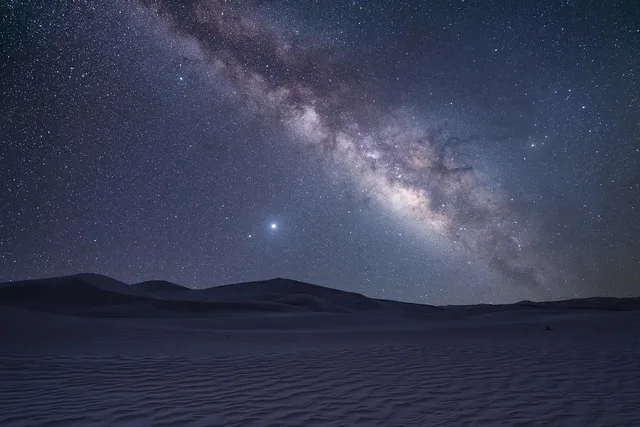
Best places to see stars near Hilo include Mauna Kea’s visitor station and Hawaii Volcanoes National Park, with notes on altitude, viewing, and road safety.
What to take away
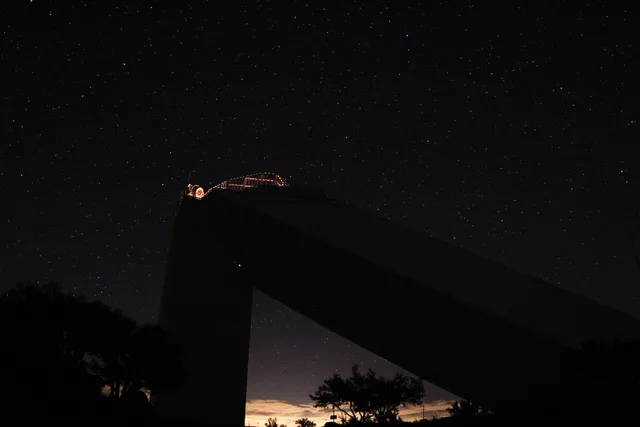
- The Mauna Kea visitor station sits at about 9,200 feet, roughly an hour from Hilo on the Saddle Road, and is the managed stop before the summit.
- Stop at least 30 minutes at the station before driving higher, and note that no one under 16 goes above it.
- Telescope viewing at the station runs on clear evenings; check the day's schedule, because cloud cancels sessions.
- Hawaii Volcanoes National Park runs its own night sky programs, often free with park entry, and its summit area is a strong backup when Mauna Kea is socked in.
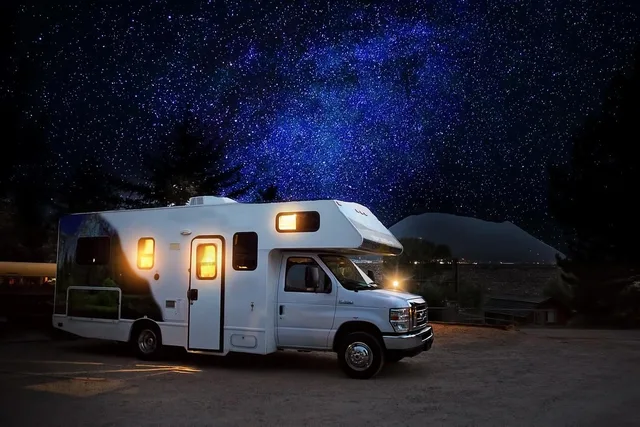
- Confirm your rental agreement covers the Saddle Road and the station road before you leave Hilo, and fill the tank there.
Why Hilo works as a stargazing base
Hilo sits on the windward side of Hawaii Island, between Mauna Kea to the west and Hawaii Volcanoes National Park to the south. These are two of the best places to see stars near Hilo, and both are day trips from town.
That pairing is rare. Most visitors stay in Kailua-Kona or at a resort and drive hours at night to reach dark sky. From Hilo, the visitor station road and the park entrance are both close.
The town also has what a night out needs: rental cars, groceries, rain gear, and motels without resort fees. Hilo is wetter than Kona, but the viewing sites sit above or away from the rain belt.
For a first dark sky night, Hilo is forgiving. You can test the weather, drive partway, and turn back without losing the trip. On an island where cloud cover changes by the hour, that matters.
If you are weighing operators before you book, our audit of astronomy tour companies breaks down the business models, from bus outings to research-grade trips.
Mauna Kea visitor station: altitude and the 30-minute stop
The visitor station sits at about 9,200 feet on the access road, and it exists as a managed stop before the summit. Altitude sickness can affect anyone, fit or not.
Mauna Kea altitude rules
- 9,200 feetvisitor station elevation
- 30 minutesminimum stop before driving higher
- 16minimum age above the station
- 13,800 feetsummit elevation
The rules are simple. Stop for at least 30 minutes before driving higher. No one under 16 goes above the station. Pregnant visitors and people with heart or lung conditions are advised to stay at or below that elevation.
Acclimatisation is not a formality. The summit is near 13,800 feet, where oxygen is roughly 40 percent lower than at sea level. The stop lets your body adjust before the final climb.
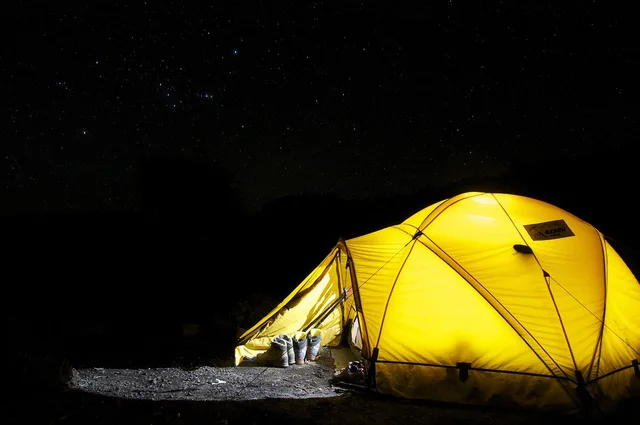
Bring water, sunscreen, and warm layers. The station can drop near freezing after dark even when Hilo is mild. It has restrooms and a small shop, but no fuel.
The road above the station is steep, with unpaved sections. Four-wheel drive is required beyond it, and many rental agreements prohibit that stretch. Check yours before you rely on it.
Altitude rules apply to experienced hikers too. If you feel a headache, nausea, or shortness of breath, descend. No summit view is worth a medical emergency. For anything about your own health at elevation, ask a physician or a travel-medicine clinic before you fly.
Telescope viewing programs at the station
Telescope viewing at the visitor station is the simplest way to see the night sky through optics on Hawaii. Volunteers and staff set up on clear evenings, usually several nights a week.
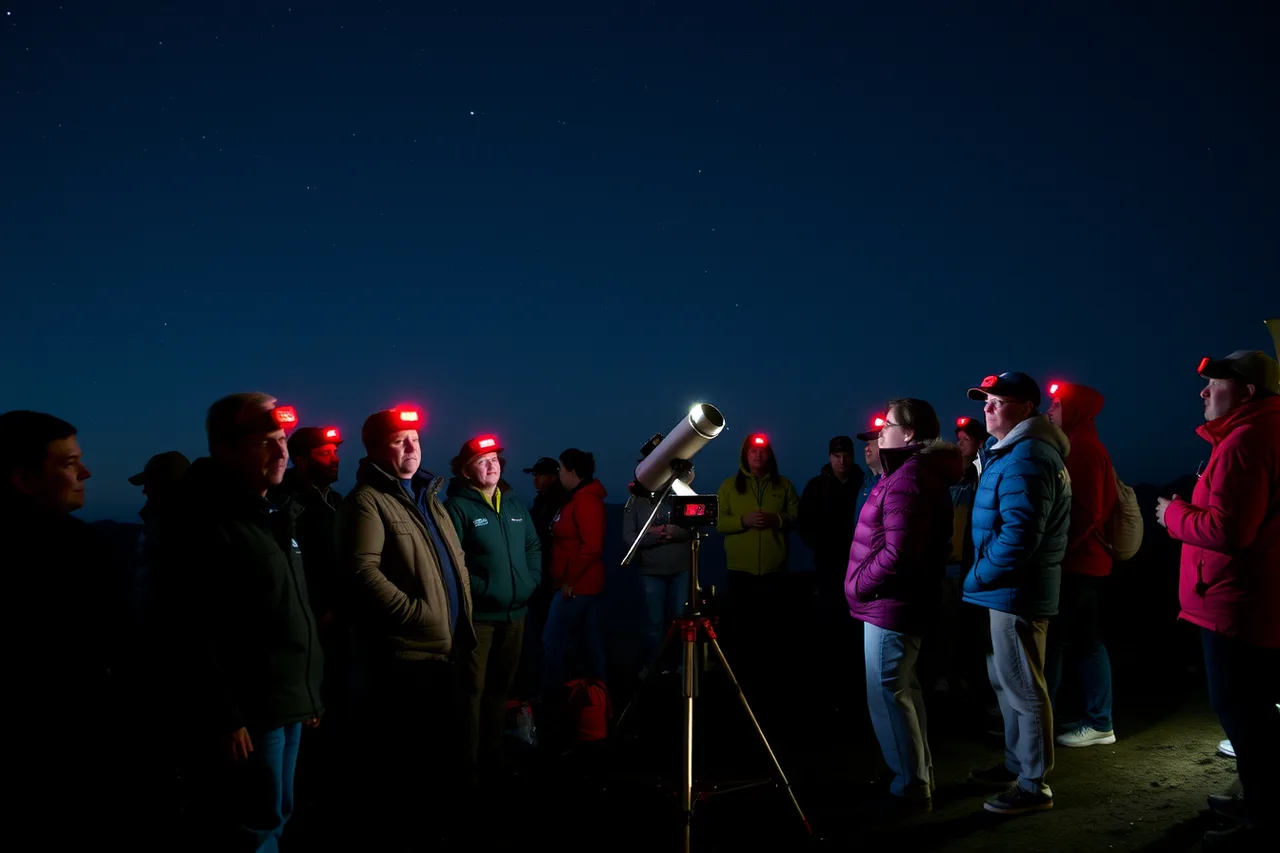
The sessions are informal. You arrive, wait for dark, and take turns at the eyepiece. Targets shift with the season: planets, star clusters, the moon, and galaxies when conditions allow.
How to join one:
Telescope viewing programs
- Check the station schedule or call on the day, since cloud cancels sessions.
- Arrive before sunset to park, acclimatise, and find the viewing area.
- Dress for cold and wind, with closed shoes and a headlamp that has a red light mode.
- Follow staff instructions on where to stand and how to approach each telescope.
- Ask before using a phone screen near the eyepieces, because white light ruins dark adaptation for everyone.
Guided programs from Hilo add transport, dinner, and sometimes a station stop before a summit or stargazing-only option. Prices vary by operator and season, so compare inclusions rather than the headline rate, and confirm current figures with the operator.
For travellers who need step-free access, quieter sessions, or seated viewing, our guide to accessible options covers what to ask before booking.
If you would rather stay overnight than drive back, see our notes on places to stay near the meeting points operators use.
Hawaii Volcanoes National Park night sky events
Hawaii Volcanoes runs night sky events through the National Park Service Night Sky Program. These are separate from commercial telescope tours and often free with park entry.
They range from ranger-led stargazing to talks and moon walks. Schedules shift with staffing, weather, and volcanic activity, so check the park's listings before you drive out.
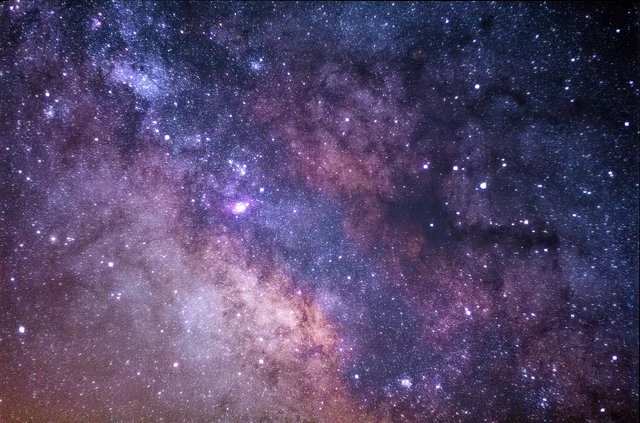
The park's elevation and its short distance from Hilo make it a strong alternative when Mauna Kea is clouded in. Kilauea's summit area is dark enough for naked-eye observing, and the setting has no equivalent in the state.
The National Park Service keeps a national night sky events calendar listing Hawaii Volcanoes programs alongside other parks. The agency also publishes background on its Night Sky Program and how parks protect darkness.
Safety here differs from the mountain. Stay on marked paths, carry a flashlight, and keep out of closed areas. Volcanic gases can affect air quality, especially for people with asthma. Ask rangers about current conditions rather than relying on a plan made weeks earlier.
Getting there from Hilo, and what to check first
Driving from Hilo to the Mauna Kea visitor station takes about an hour via the Saddle Road, also called Daniel K. Inouye Highway. The route climbs through ranch land and can be foggy after dark.
A few checks before you leave Hilo:
Before leaving Hilo
- Confirm rental agreement allows Saddle Road
- Fill fuel tank in Hilo
- Carry water, snacks, warm layers, medication
- Download offline maps for patchy coverage
- Tell someone your route and return time
- Check forecast for Hilo and summit
To Hawaii Volcanoes, the drive is shorter, roughly 45 minutes to the Kilauea visitor center. Roads inside the park are paved, but night driving brings fog, rain, and wildlife. For conditions on either route, check with park rangers and the state highway authority before you set out.
Drone use is regulated by the Federal Aviation Administration and is generally prohibited in national parks. Do not plan on flying one for night photos without checking the rules first.
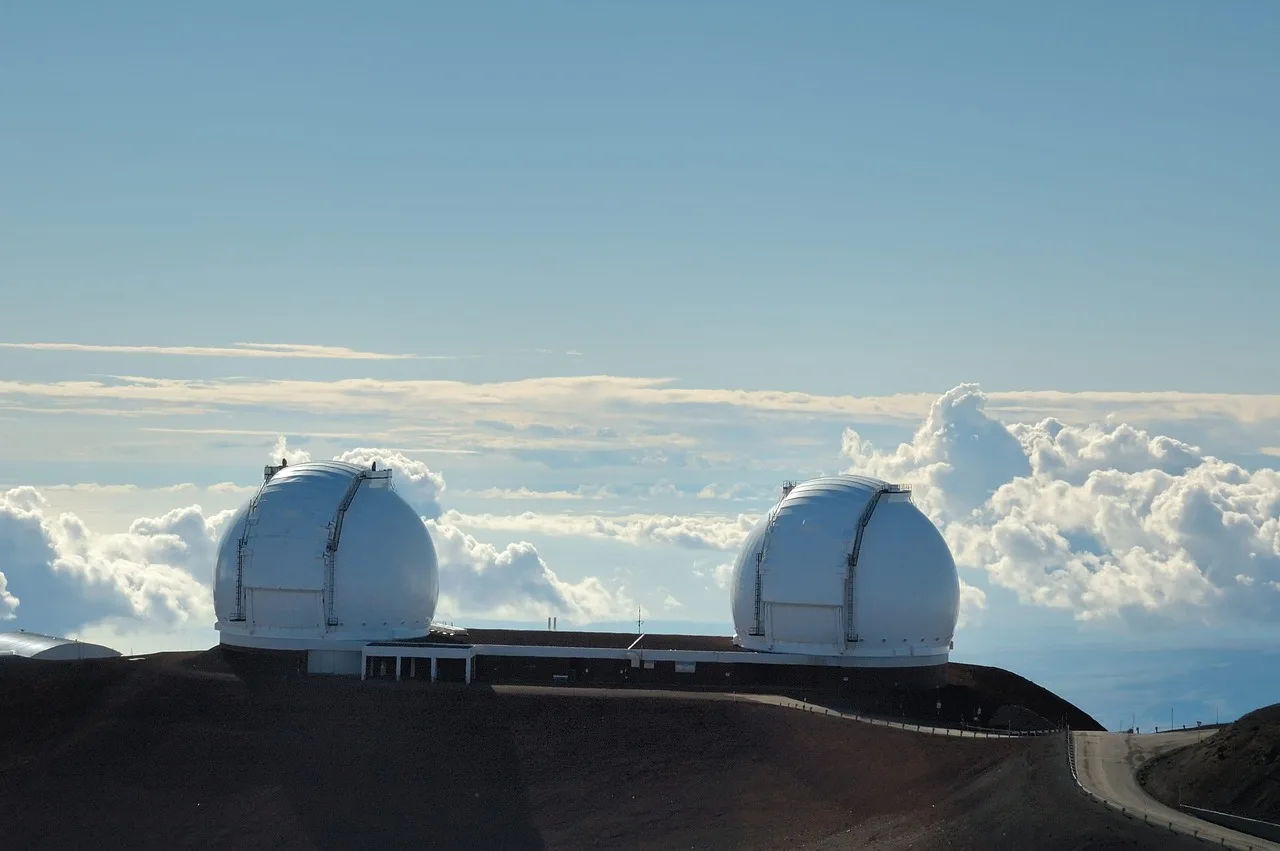
The National Science Foundation supports the astronomy that makes Mauna Kea a global observatory site, and its astronomy and space work explains why high, dry, dark locations matter. The foundation's astronomical sciences division funds the research and facilities that keep them operating.
Cultural respect on Mauna Kea
Mauna Kea is sacred to Native Hawaiians. The summit area is tied to creation stories and to practices that predate the observatories by centuries. Treat the mountain as a place of worship, not only a viewpoint.
Practical respect is straightforward. Stay on trails and roads, leave rocks, shrines, and offerings undisturbed, and keep noise low. Remove nothing from the summit area.
On a guided program, listen when the guide explains protocol. Some operators include a cultural briefing, and some ask guests to refrain from certain activities at the summit.
Summit access has been contested for years, and rules can change with protests, permits, or road conditions. Check current guidance before you go, and accept closures without argument. For anything about access rights or permits, the managing agency or tribal authority is the source, not a tour operator's website.
For a wider view of how to prepare, our honest guide to dark sky travel covers permits, seasons, and the habits that make night viewing work.
Common questions
Do I need a tour to stargaze from Hilo?
No. You can drive to the Mauna Kea visitor station or into Hawaii Volcanoes on your own. Tours help with transport, altitude logistics, and telescope access.
Can children go to the Mauna Kea summit?
No. No one under 16 is allowed above the visitor station. They can still join telescope viewing programs at the station itself.
Are Hawaii Volcanoes night sky events free?
Most are free with park entry, though some require reservations. Check the National Park Service night sky events calendar before you go.
Is the summit road open to all rental cars?
No. Four-wheel drive is required above the visitor station, and many rental agreements prohibit that stretch. Confirm before you book.