Maintenance
Part of Dark Sky Travel: Darkness, Moon and Access
Dark adaptation, cold, phone signal, and the drive home: what to know before a first dark sky night
A first timer's guide to a dark sky night: how long eyes take to adapt, why red light matters, staying warm, unreliable phone signal, and planning the drive home.
First dark sky trips fail in predictable ways, and almost none involve the sky. People arrive too late, check a phone screen, get cold, then drive home tired. Each is fixable with a decision made in advance.
Experienced observers do these things without thinking. This list is written for people doing it for the first time.
What to take away
- Dark adaptation takes about twenty minutes and one glance at a white screen undoes it.
- Phone signal is unreliable at dark sites, so download maps and set expectations before you leave.
- The night gets colder than the forecast implies, especially in dry air at elevation.
- The drive back is the most dangerous part of the trip and deserves its own plan.
Your eyes need time, and you keep resetting them
The most common mistake is impatience. Eyes adapt over roughly twenty minutes, and the gain from minute five to minute twenty-five is dramatic.
Dark adaptation timeline
- Minute 0Eyes begin adapting
- Minute 5Early adaptation gain
- Minute 20Adaptation roughly complete
- Minute 25Dramatic gain since minute 5
- White screenClock resets
One look at a white phone screen sets that clock back. Use red light for everything, put the phone on its dimmest red setting or leave it in a pocket.
Agree the rule with everyone in the group before dark.
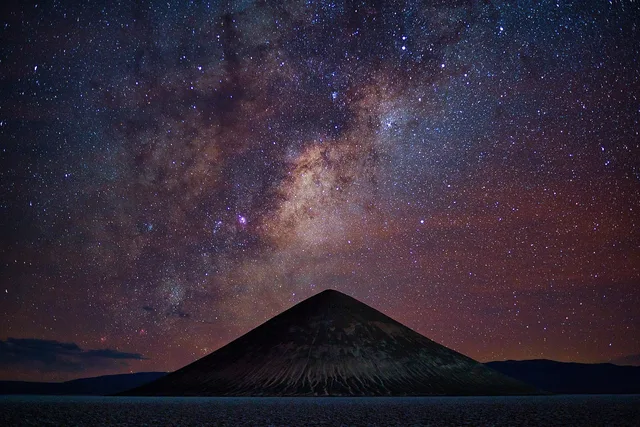
The second most common mistake is expecting a photograph. Long exposures collect light that your eyes cannot. The Milky Way looks like a faint, structured cloud rather than a colored band, and that is the correct appearance, not a disappointment.
Nothing you need costs much
NASA's skywatching questions and answers say no special equipment is needed to start. Binoculars or a telescope extend what you can see, but they are not necessary.
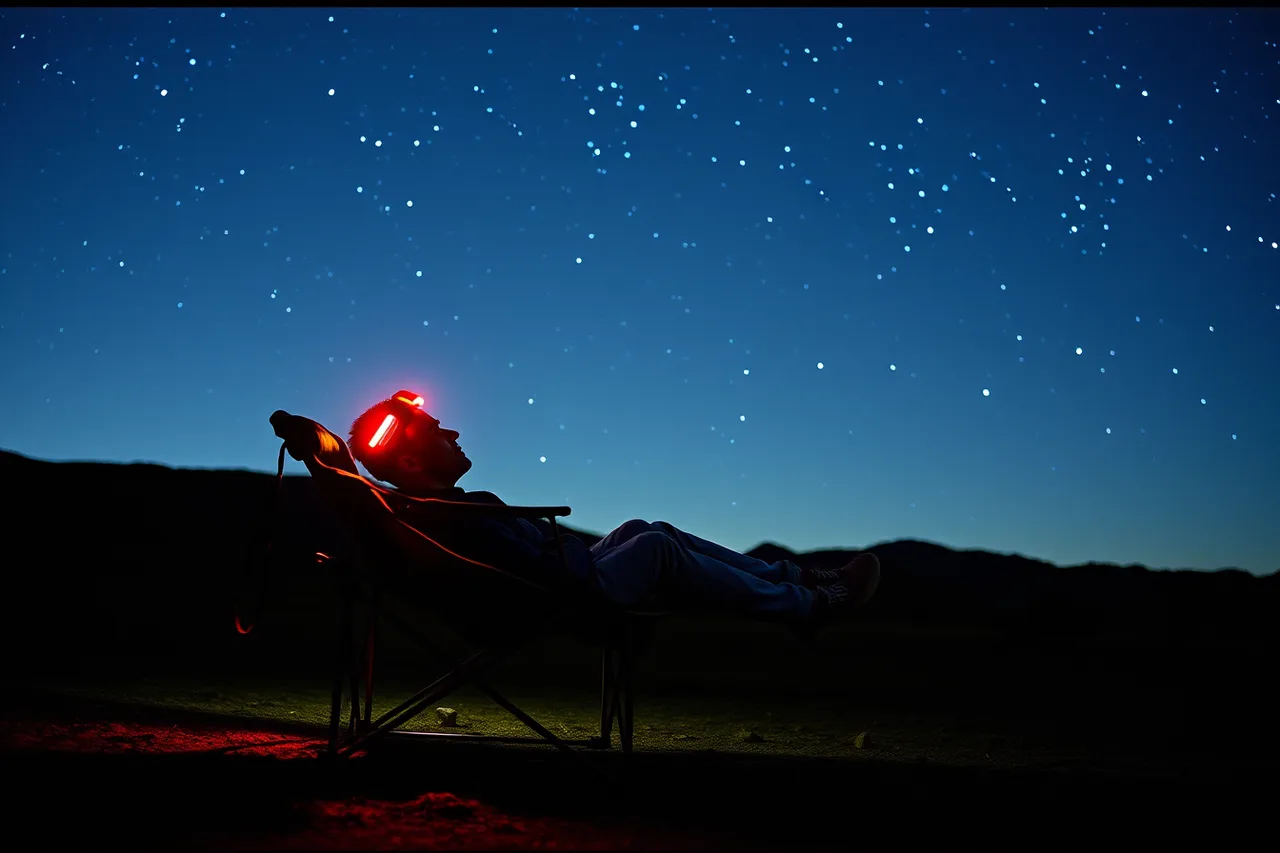
Beginners routinely spend money on gear before they have learned a single constellation. A reclining chair and a red headlamp change the experience far more than a first telescope does.
Remote means remote
The practical hazards at dark sites are ordinary ones, amplified by distance and darkness. Great Basin National Park's safety page shows the pattern: cell reception is unreliable in the park and surrounding area, so do not rely on it.
The scenic drive is steep with sharp turns, and drivers are warned to watch for deer. Altitude makes people tired sooner than they expect, and weather changes quickly at elevation.
None of that is a reason to stay home. It is a reason to tell someone your plan, carry water, keep the fuel tank above half, and treat the phone as a camera rather than a lifeline.
Cold is the quiet trip-ender
Dry air at elevation loses heat fast after sunset, and sitting still makes it worse. The temperature drop between the afternoon you drove in and 2 a.m. can be larger than anything in daily experience.
Layers, a hat, insulated ground contact and a hot drink keep people out long enough to see the good part. The full packing logic sits alongside the rest of the plan in dark sky travel in 2027.
Plan the end of the night
Decide the finishing time before you start, and book a bed close enough that the drive back is short. Properties you can observe from without leaving the grounds remove that leg altogether. If you must drive far, swap drivers or stop. A two-night structure removes most of this pressure, and one is laid out in our two-day dark sky itinerary.