Industry
Handling dark sky trip case studies step by step: case two: the lunar eclipse that worked
Four worked examples of dark sky trips, built from the patterns that recur again and again, showing where each plan succeeded and where it came apart.
The four trips below are worked examples, not interviews, built from patterns that repeat in this kind of travel.
That choice is deliberate, because an invented quote from a named traveler would tell less than an honest composite of what actually tends to happen. Each trip is followed by the lesson it carries.
What to take away
- Trips built around one fixed event succeed or fail on the weather of a single night.
- Trips built around a week of flexibility almost always deliver something.
- A predictable event such as a lunar eclipse is a far kinder first target than a rare one.
Case one: the single night eclipse chase
A group books one night in a motel outside Great Basin National Park in Nevada, drives four hours, and finds cloud across the whole basin. There is no second night and no second site. The whole trip is that one cloudy night.
Single Date vs Built Window
Single date
- Nights
- one
- Sites
- one
- Cloud risk
- total loss
- Cost
- same
- Outcome
- nothing
Built window
- Nights
- several
- Sites
- two
- Cloud risk
- second chance
- Cost
- same
- Outcome
- likely success
The lesson is not to avoid events. It is to build a window rather than a date, and to have a second location within driving distance, ideally on the far side of high ground where the cloud may not have reached. The countdown that builds that second location in from the start is in the twelve week planning sequence.
A second site such as Cedar Breaks National Monument in Utah would have given the group somewhere else to go on the same night.
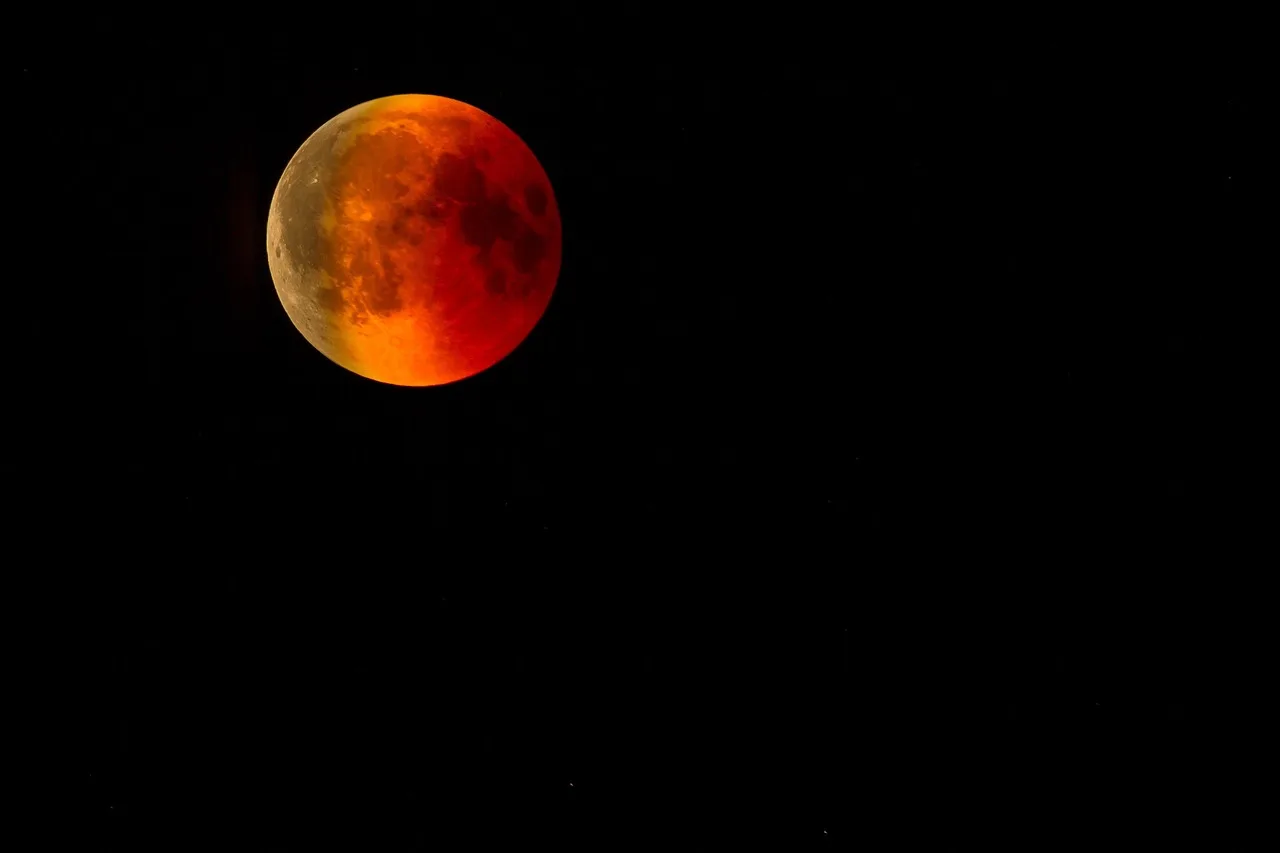
Case two: the lunar eclipse that worked
A family plans around a lunar eclipse instead. Lunar eclipses are visible from the entire night side of Earth, not a narrow path. They last for hours, not minutes, and need no eye protection at all.
Eclipse vs Meteor Shower
Lunar eclipse
- Visibility
- whole night side
- Duration
- hours
- Eye protection
- none needed
- Travel
- park 20 min
Narrow-path event
- Visibility
- narrow path
- Duration
- minutes
- Eye protection
- needed
- Travel
- four hours
NASA's answers on the March 2026 total lunar eclipse are a good example of the level of detail published in advance for events like this.
The eclipse fell on March 3, 2026. From the western United States, the first dark bite appeared a little after 1 a.m. local time and totality ran from about 3 a.m. to 4 a.m. The moon spent about four and a half hours with a visible bite taken out of it.
Its face showed a bright edge of shadow creeping across, then a dull copper disk with a lighter rim, and stars near the moon that a full moon normally washes out.
The family watches from a park twenty minutes from home, on the grounds around Griffith Observatory in Los Angeles. They come inside to warm up twice and count it as the best night of their year.
Designing a night from the outset, with somewhere warm within reach, avoids most of the accessibility failures that shut people out. The accessible event usually beats the dramatic one for a first attempt.
Case three: the aurora week
Two travelers book five nights in Fairbanks, Alaska, hoping to see the northern lights, but three nights are cloudy, one is clear and quiet, and one delivers. NASA's auroras overview explains why.
Auroras come from charged particles hitting atoms high in the atmosphere, and the strength of that activity cannot be forecast weeks ahead.
The lesson is that for weather driven and activity driven targets, length of stay is the only real lever. One night is a lottery ticket; five nights is a plan.
Case four: the trip that was too full
A couple visits Zion, Bryce Canyon and Capitol Reef in four nights. Each arrival is after dark, each site is unfamiliar, and by the third evening they are too tired to stay out. They see less than they would have seen in two nights at one site.
The lesson is the one that recurs most often across every example here: fewer places, more nights, and a bed close enough that the drive back is short.
What the four have in common
Every failure above came from the structure of the trip rather than from equipment or knowledge. Structure is also the cheapest thing to fix. The catalog of specific mistakes is in lessons from stargazing trips that went wrong, and the planning frame that prevents most of them is in dark sky travel in 2027.
Common questions
Are these real people?
What is the safest first event?
How many nights for an aurora trip?
In this guide
- What separates strong dark sky trip case studies cost from average is the measure, appliedFour worked dark sky trips show cost per usable dark hour, where money is wasted, and why free monthly sky guidance changes the lodging arithmetic.
- Buyer's checklist for dark sky trip case studies companies: where a guide genuinely cannot helpAcross four worked dark sky trips, the guided nights succeeded for the same reasons: local knowledge, a fallback plan and honest limits on what could be promised.
- Dark sky trip accessibility: three composite examples and the paved overlookThree composite accessible night trip examples show why a paved overlook with nearby parking matters most and what to ask about distance, surface, seating, warmth.
- Dark sky trip case studies itinerary: two Great Basin nightsDark sky trip case studies itinerary: a two-night plan at Great Basin built from four worked trips, with named targets, fallbacks and the 2027 Quadrantid peak.
- Framing dark sky trip case studies tips: expectations, set honestlyDark sky trip case studies tips: choose a modest first target, plan around the Moon, know real meteor rates, finish early, and write the night down.