Costs
Arizona vs Utah astronomy tour prices, what each one includes
Stargazing destinations in Arizona and Utah differ sharply in tour prices: Flagstaff and Tucson versus Moab and Springdale, compared line by line.
What to take away
- Stargazing destinations in Arizona and Utah both sell dark skies, but Arizona tours lean on observatory access while Utah tours lean on park scenery.
- Flagstaff and Tucson operators often include telescope time in the base price; Moab and Springdale operators often charge extra for it.
- Park entrance fees are rarely bundled in Utah, where tours enter national parks; Arizona tours usually stay on private or observatory land.
- Transport is included in most guided tours in both states, but hotel pickup in Moab and Springdale can add $20 to $40 per person.
- Operators leave out gratuities, late-night surcharges, and weather cancellation policies from advertised prices.
- The cheapest advertised price is rarely the final cost; ask what is excluded before you pay a deposit.
What a stargazing destinations tour actually sells you
A guided stargazing tour is not one product. It is a bundle of access, equipment, expertise, and timing. In Arizona, that bundle often includes a seat at a research-grade observatory or a dark-sky park with fixed telescopes. In Utah, it more often means a van ride into a national park or BLM land with portable scopes.
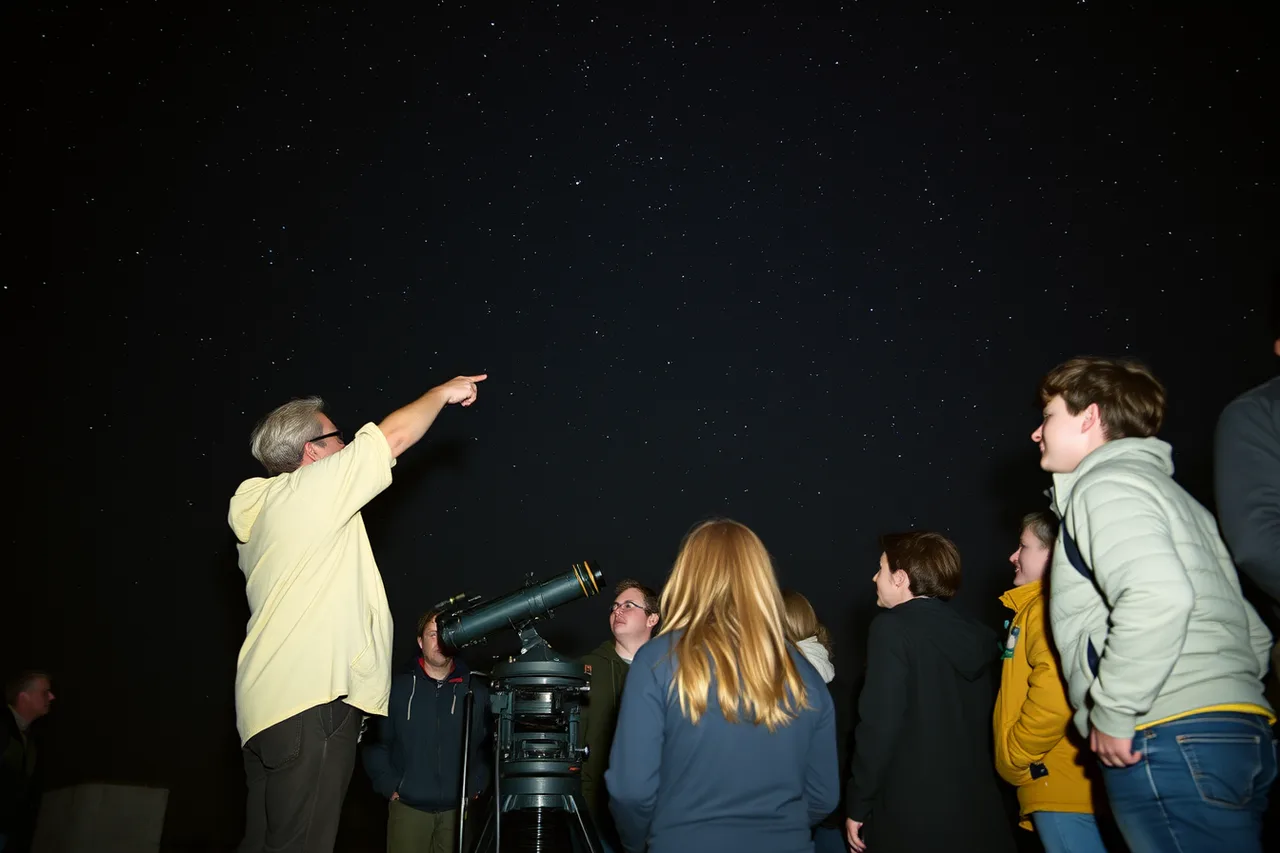
The core value is the guide. A good guide knows where the sky is darkest on a given night, how to read weather, and how to operate a telescope. That skill is what you pay for, not the photons.
Telescope time is the first variable. Some tours promise 30 minutes at the eyepiece; others promise two hours. The difference shows up in price and in group size.
Park fees are the second variable. If a tour enters a national park after hours, someone pays the entrance fee. Whether that is you or the operator is a line item worth checking.
Transport is the third. A tour that meets at a dark site saves you nothing if you have no car. A tour that picks you up in town saves you a rental car for the night.
Flagstaff and Tucson: line by line tour costs
Flagstaff claims the title of the world's first International Dark Sky City. That designation, granted by the International Dark-Sky Association, shapes local rules on outdoor lighting and makes the city a hub for stargazing destinations.
Flagstaff tour costs typically run $45 to $95 per adult for a two-hour session. That usually includes telescope time through several scopes, a guide, and access to a dark site such as Buffalo Park or a private ranch. Transport is often not included; you meet at the site.
Lowell Observatory runs its own evening programs. Those are not commercial tours but they compete on price, often $25 to $40 for a talk plus telescope viewing. They sell out, so book ahead.
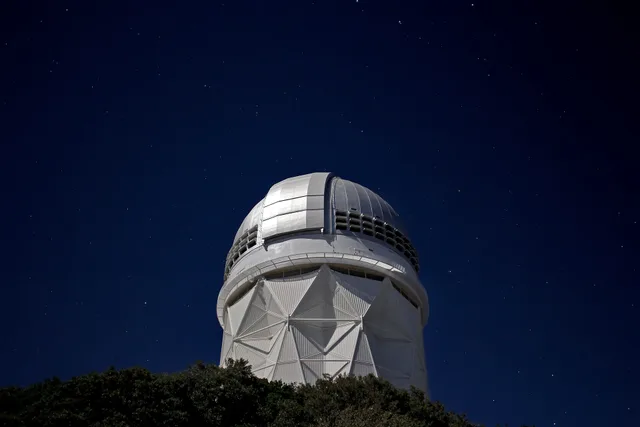
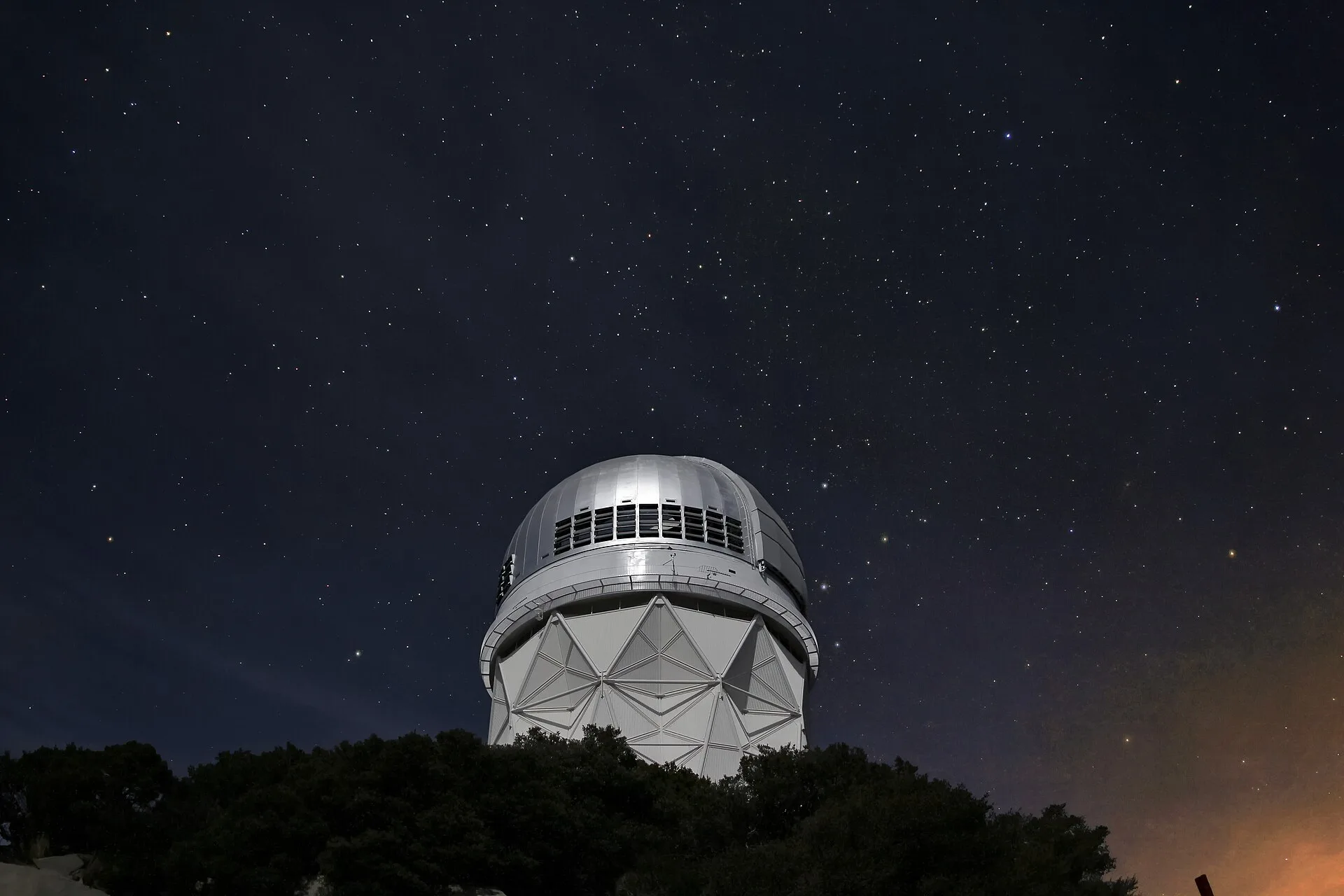
Tucson tour costs are similar but skew higher when observatory access is included. A guided night at Kitt Peak National Observatory or a dark-sky site in the Sonoran Desert can run $75 to $150 per person. That price usually covers the guide, telescope time, and a park or facility fee.
Tucson operators often bundle transport from hotels in the city. That adds $15 to $30 per person but removes the need for a rental car on a dark road.
For a deeper look at what Arizona operators ask before you book, see Arizona stargazing tours.
What the Arizona price usually includes
Arizona price usually includes
- Telescope time, often 60 to 90 minutes across multiple scopes
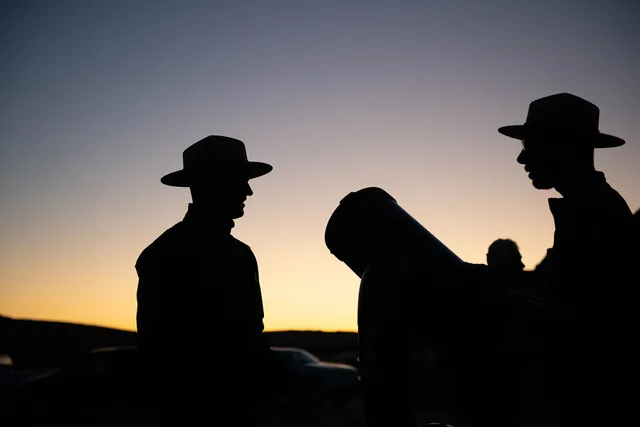
- A guide with astronomy or park interpretation background
- Access to a dark-sky site, sometimes with a facility fee
- Hot drinks or a small snack on colder nights
What the Arizona price often excludes
Arizona price often excludes
- Transport to the meeting point
- Park entrance fees if the site is inside a national park
- Gratuities, typically 10 to 20 percent
Moab and Springdale: line by line tour costs
Moab sits between Arches and Canyonlands national parks. Springdale is the gateway to Zion National Park. Both are dark-sky destinations, but the tour economics differ from Arizona.
Moab night sky tours usually cost $65 to $120 per adult for a two to three hour trip. That price often includes transport from town, a guide, and telescope time. Park entrance fees are usually extra unless the tour stays on BLM land.
Springdale stargazing tours run $50 to $110 per adult. Zion National Park itself holds regular night sky programs, and commercial tours work around them. If a tour enters the park, the entrance fee is typically not included.
Both towns see strong seasonal price swings. Summer and fall are peak; winter tours are fewer and sometimes cheaper, but cold.
Group size matters more in Utah than in Arizona. A Moab tour with 20 people gives you less eyepiece time than a Flagstaff tour with 10, even at the same price.
For a way to score operators on these variables, see night sky destinations time.
What the Utah price usually includes
Utah price usually includes
- Transport from a meeting point in town
- A guide, often with park or geology background
- Telescope time, sometimes shared across a large group
- Red-light flashlights and star charts
What the Utah price often excludes
Utah price often excludes
- National park entrance fees
- Hotel pickup, which can add $20 to $40
- Gratuities
Telescope time, park fees and transport compared
The three cost drivers are telescope time, park fees, and transport. Arizona tours tend to include more telescope time and less transport. Utah tours tend to include more transport and less telescope time.
Park fees are the biggest hidden cost in Utah. Arches and Zion charge entrance fees per vehicle, and a commercial tour may pass that cost to you. In Arizona, many tours stay on private land or at observatories where the fee is built in.
Transport is the biggest hidden cost in Arizona. If you are staying in Phoenix or Tucson without a car, you will pay for a ride to the dark site.
Group size changes the value of telescope time. A $90 tour with 8 people gives you more minutes at the eyepiece than a $70 tour with 25.
Season changes everything. Monsoon season in Arizona runs July through September and can cancel tours. Utah winters close some high roads.
The table below compares typical advertised prices and inclusions. Treat it as a starting range, not a quote.
Flagstaff
- Typical adult price
- $45 to $95
- Telescope time included
- Usually yes
- Park fee included
- Rarely
- Transport included
- Rarely
- Hotel pickup
- No
- Group size
- 8 to 15
Tucson
- Typical adult price
- $75 to $150
- Telescope time included
- Usually yes
- Park fee included
- Sometimes
- Transport included
- Often
- Hotel pickup
- Sometimes
- Group size
- 10 to 20
Moab
- Typical adult price
- $65 to $120
- Telescope time included
- Often yes
- Park fee included
- Rarely
- Transport included
- Usually
- Hotel pickup
- Extra
- Group size
- 10 to 25
Springdale
- Typical adult price
- $50 to $110
- Telescope time included
- Often yes
- Park fee included
- Rarely
- Transport included
- Usually
- Hotel pickup
- Extra
- Group size
- 8 to 20
What operators leave out of the advertised price
Advertised prices are a starting point. Operators leave out costs that are real but easy to miss. Knowing them prevents a surprise at the meeting point.
Gratuities are almost never included. Budget 10 to 20 percent of the tour price for the guide.
Park entrance fees are often excluded when the tour enters a national park. That can add $20 to $35 per vehicle.
Transport to the meeting point is excluded on many Arizona tours. If you are carless, add a rideshare or shuttle cost.
Weather cancellation policies vary. Some operators refund fully; others offer a reschedule only. Ask before you pay.
Late-night surcharges appear on tours that start after 10 p.m. or run past midnight.
Equipment rental, such as binoculars or a camera adapter, is sometimes extra.
For a full picture of what a night actually costs, see stargazing trip costs.
Arizona vs Utah: which region gives more per dollar
Arizona gives more telescope time per dollar. Utah gives more scenery and transport convenience per dollar. Which is better depends on what you value.
If you want to look through a large telescope and learn the sky, Arizona wins. Flagstaff and Tucson have more observatory infrastructure and more guides with astronomy backgrounds.
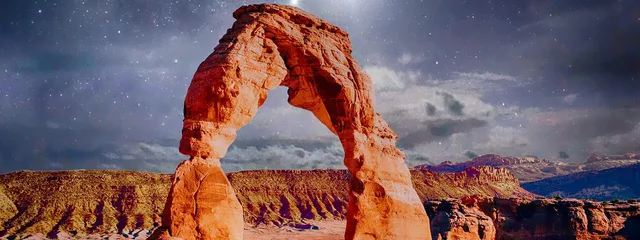
If you want a dark sky framed by red rock and you do not want to drive at night, Utah wins. Moab and Springdale tours are built around park access.
Budget travelers should compare total cost, not sticker price. Add transport, park fees, and gratuities to each option before deciding.
Both states benefit from federal land rules. The Bureau of Land Management sets permit and fee rules that shape what operators can charge. See Permits and Fees | Bureau of Land Management for how those permits work.
Public-land access costs can be reduced with passes. The Recreation Passes | Bureau of Land Management page explains which passes cover entrance and day-use fees.
Federal night sky programs also overlap with commercial tours. The National Park Service runs its own events, listed at National Park Service Night Sky Events - Night Skies (U.S. National Park Service). Checking those dates can save you money if a free event falls on your travel night.
The NPS Night Sky Program is the context for many park-based tours. Its overview at Night Skies (U.S. National Park Service) explains why parks protect darkness and how that affects tour access.
For a two-night plan that balances cost and dark hours, see planning around stargazing trip costs.
Questions to ask before you pay a deposit
Ask these questions before you commit. The answers will tell you whether the advertised price is the real price.
- How many minutes of telescope time do I get, and how many people share the scope?
- Is the park entrance fee included, or do I pay it separately at the gate?
- Where does the tour meet, and is transport from my hotel available?
- What is the cancellation policy for clouds, rain, or smoke?
- Is gratuity included, and what is the suggested amount?
- What happens if the tour is canceled after we arrive at the site?
Use this checklist to compare two or three operators side by side.
- Confirm total price per person, including fees and taxes
- Confirm telescope time in minutes and group size
- Confirm whether park entrance fees are included
- Confirm meeting point and transport options
- Confirm cancellation and refund policy in writing
- Confirm guide credentials or astronomy background
- Confirm whether binoculars or chairs are provided
For a broader set of questions, including ones specific to booking a stargazing trip, see booking a stargazing trip.