Guides
Part of Handling dark sky trip case studies step by step: case two: the lunar eclipse that worked
Dark sky trip case studies itinerary: two Great Basin nights
Dark sky trip case studies itinerary: a two-night plan at Great Basin built from four worked trips, with named targets, fallbacks and the 2027 Quadrantid peak.
If you take the four worked trips in this cluster and strip out everything that failed, what is left is a fairly short plan. Two nights, one place, a bed close by, a fallback for every block and a finish time agreed in advance.
This dark sky trip case studies itinerary applies those lessons to one certified dark park, Great Basin National Park in Nevada, with a named target and a fallback for every block of both nights.
Here is that plan written out, with the reasoning attached to each decision so you can adapt it rather than follow it blindly. If an instrument is coming, add an hour to every night and work through the packing it needs before you leave.
What to take away
- One site, two nights. Every worked example that moved every night lost hours to arriving.
- A fallback for each block, because cloud is the normal case.
- A bed within about twenty minutes, which is the most common regret when it is missing.
- A hard finish time, agreed before the first night begins.
Why Great Basin anchors the plan
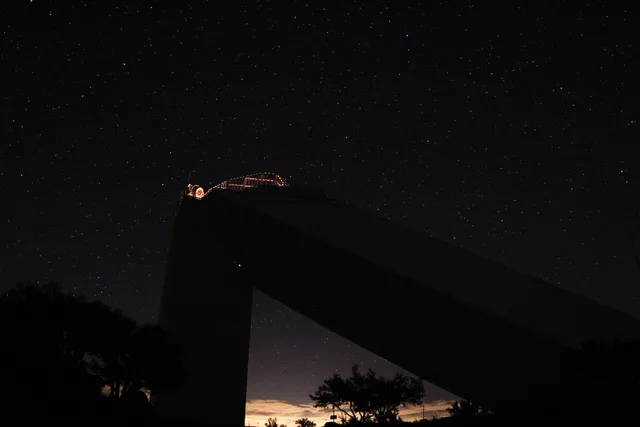
The site matters less than staying at one, but a certified dark park removes one variable. The National Park Service notes that Great Basin National Park was recognized as a Gold Tier International Dark Sky Park in 2016 by the International Dark Sky Association. On a clear, moonless summer night, the park says, star clusters, meteors, the Andromeda Galaxy and the arc of the Milky Way are visible to the naked eye from nearly anywhere in the park.
The park also supplies a ready-made fallback for one evening. Between roughly Memorial Day and Labor Day, astronomy rangers lead programs at the Astronomy Amphitheater by the Lehman Caves Visitor Center every Thursday through Sunday. Each program is a thirty-minute talk followed by an hour and a half at the telescopes. Times move with sunset, so check the park calendar before you fix the day-two plan.
For the bed, the park's campgrounds include Lower Lehman Creek, Upper Lehman Creek and Wheeler Peak. Potable water is not available at them, so carry enough for both nights. Sleeping inside the park removes the long drive after a late finish, which is the failure the plan is built to avoid.
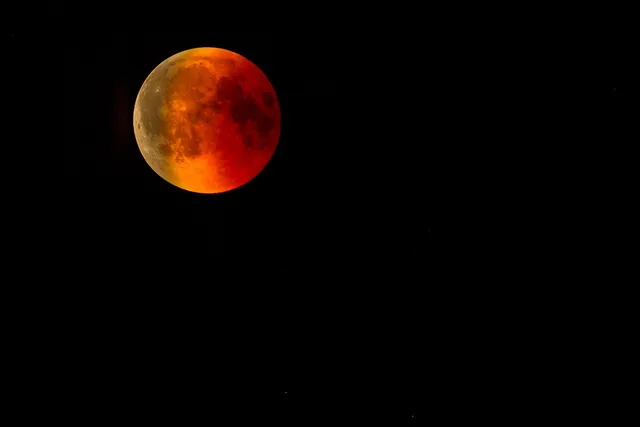
Moon phase decides which weekend works. The park's own description of what is visible is for a clear, moonless night, so pick two nights near new moon, and treat a bright Moon as the twilight block's target rather than a reason to cancel.
The plan
Day one, afternoon. Arrive with daylight. Walk the site. Note the level ground, the open horizon and where headlights will sweep.
Two-day dark sky plan
- Day 1 afternoonArrive in daylight, walk site
- Day 1 eveningEat before dark, no optics first hour
- Day 2 morningSleep in, non-optional rest block
- Day 2 afternoonOne short easy activity, no summits
- Day 2 eveningSet up in daylight, stop at agreed time
Day one, evening. Eat before dark. Observe with no optics for the first hour. Finish early.
Day two, morning. Sleep in. This block is not optional; it is what makes the second night usable.
Day two, afternoon. One short, easy activity. No summits.
Day two, evening. Set up in daylight, observe the primary target, then work outward. Stop at the agreed time, even if conditions are still good, because tomorrow's drive is part of tonight's plan.
Fallbacks, block by block
| Block | Primary | Fallback |
|---|---|---|
| Twilight | Planets low in the west | The Moon, at any phase |
| Early dark | Messier 29 in Cygnus | A bright star cluster |
| Middle | Milky Way or a shower | The Moon and planets through cloud gaps |
| Late | The Andromeda Galaxy | Warm drink, then stop |
Filling that table takes fifteen minutes at home and rescues most nights. The fallbacks are not as good as the primaries. Having one written down stops the group standing in the dark debating whether to give up, which is how a partly cloudy night usually ends early for no good reason.
Fallbacks by block
Primary
- Twilight
- Planets low west
- Early dark
- Named deep sky object
- Middle
- Milky Way or shower
- Late
- Whatever has risen
Fallback
- Twilight
- The Moon
- Early dark
- Bright star cluster
- Middle
- Moon and planets
- Late
- Warm drink, stop
The same table works for a group with different needs, and three worked examples of accessible night trips show which blocks tend to need changing.
Choosing a shower to build on, carefully
A meteor shower makes a good anchor for the middle block, but only if you look up the year's actual figures. NASA's page on the Quadrantids shows why.
The shower peaks in early January, comes from 2003 EH1, an asteroid or possible rock comet, and radiates from Bootes, in a region once assigned to the discarded constellation Quadrans Muralis. NASA gives the peak night for the coming season as Jan 3-4, 2027. Most meteor showers have a two-day peak, but the Quadrantid peak lasts only a few hours; during it, 60 to as many as 200 meteors an hour can be seen under perfect conditions. A shower with a sharp, short peak rewards precise timing and punishes a night spent at the wrong end of the week, so a winter version of this plan puts the second, rested night on the peak.
Something to fall back on that always works
Every itinerary needs one target that cannot fail. A bright constellation with plenty inside it does the job. NASA's article on Deneb and Cygnus calls the swan one of the few constellations that genuinely resembles its name.
It is visible all summer for northern observers and holds a great deal to look at, including the supernova remnant known as the Veil Nebula. NASA adds that binoculars resolve many stars along the swan's neck, including the open cluster Messier 29 just south of the torso star, which is why it heads the early-dark block above. A region like that will hold a group's attention for an hour on a mediocre night, which is exactly what a fallback needs to do.
The comfortable general version of this plan is in our two-day dark sky itinerary, and the trips behind these changes are in dark sky trip case studies.