Guides
Part of Auditing astronomy tour companies: the thirteen kinds
Astronomy Tour Booking: Questions to Ask the Operator
Questions to ask before an astronomy tour booking: price and deposit, cloud and refunds, the Moon, guides, site hazards, equipment and solar safety.
An astronomy tour is sold months before it happens, on the strength of claims nobody can verify at the time of booking. The questions below turn those claims into checkable statements you can put to any operator before booking, whether a small local guide or a larger astronomy tour company. They cover money and terms, the sky itself, the guide, and the two areas operators are least often asked about: ground hazards at the site and eye safety on any daytime portion of the trip.
What to take away
- Make the operator state the event precisely, including its type and time window.
- Ask what happens under cloud before you ask about anything else.
- Get the price, the deposit, the payment dates and the refund terms in writing.
- Check the Moon, the darkness of the site and who is guiding.
- Check the ground, the walking and the wildlife at the site.
- On any solar element, confirm that proper filters and viewers are supplied and required.
Questions about the advertised event
Ask what exactly is being promised and in what terms. Eclipse tours are the clearest case, because the types are distinct and the difference matters. NASA's page on the types of solar eclipse sets out total, annular, partial and hybrid, which occur depending on how the Sun, Moon and Earth line up.
Eclipse Types and Viewing Safety
Total
- Safe to view?
- Only totality
- Solar viewer needed
- Yes, except totality
- Telescope filter
- Front optic
Annular
- Safe to view?
- Never
- Solar viewer needed
- Yes
- Telescope filter
- Front optic
Partial
- Safe to view?
- Never
- Solar viewer needed
- Yes
- Telescope filter
- Front optic
The safety consequence is not optional: no moment during a partial or annular eclipse is safe for unprotected viewing. Solar viewers and filters that are genuinely safe carry the ISO 12312-2 marking, and the American Astronomical Society maintains a list of suppliers whose products meet it. A tour advertising an eclipse must supply or require viewers carrying that marking, and should be able to say where they came from.
Never let anyone look through cameras, binoculars, or telescopes without a purpose made solar filter over the front optics. Ask the operator directly what they provide and what they enforce; vagueness should end the conversation.
Questions about the sky on the night
- What is the Moon doing on the date, and was the date chosen around it?
- How dark is the site, and how far is it from the nearest town's glow?
- Which objects do you plan to show, and which need a moonless sky?
A bright Moon washes out faint galaxies and the Milky Way, so a good operator will name the phase without being asked twice. Ask whether the site sits inside a certified dark sky place or simply outside town, and what lies on the horizon in the direction you will be looking.
Questions about price, payment and terms
- What is the total price, and what is not included in it?
- How much is the deposit, and when is the balance due?
- If I cancel, what do I get back, and up to what date?
- Are transport, meals, warm layers, chairs or accommodation included?
- Do you hold the permits needed to operate at the site, and are you insured?
- Should I take out my own travel insurance, and does it cover a tour canceled for weather?
Ask for these answers in writing before you pay anything. An operator who works inside a park or on public land should be able to say which permit allows it, and one who carries guests in its own vehicles should be able to say how they are covered. If a booking agent sells the tour, ask whose terms apply: the agent's or the operator's.
Questions about failure
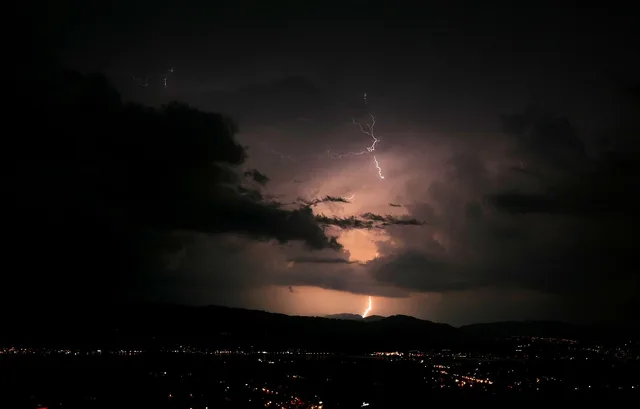
- If it is cloudy, do you cancel, relocate, or run anyway?
- How late is the decision made, and how do you tell me?
- Do you offer a refund, a credit or a reschedule?
- If you relocate, how far, and does the return time change?
Cloud is the normal case, not an edge case, so a rehearsed answer is a strong signal. An operator who has run the tour for several seasons will describe their process without hesitating.
They will say where they go when the primary site is covered and how far that adds to the return drive. Those answers separate an experienced local guide from a booking agent.
Get the answer in writing, and note the decision deadline against your accommodation booking. If the operator decides at five in the afternoon and your room is non refundable from noon, a canceled tour still costs you the night. In towns that support their operators well, properties agree in advance to move a booking rather than charge for the cancelation.
Questions about the ground
Night sites hold hazards that daytime visitors rarely notice, and Pinnacles National Park's safety guidance shows the kind of question worth asking. It advises giving a rattlesnake plenty of room and letting it move away. A bite is a medical emergency requiring immediate help from park staff, though such encounters are very uncommon.
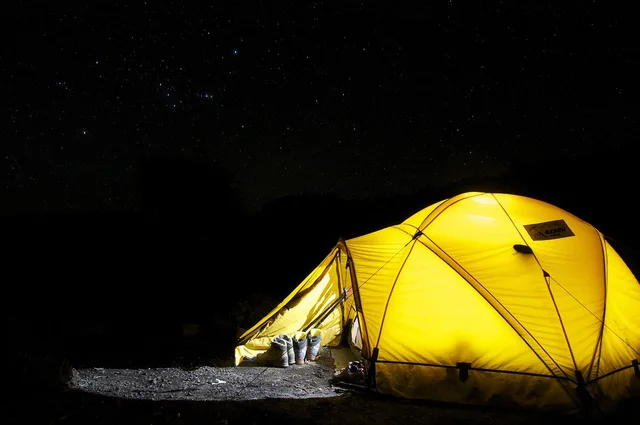
The same questions apply inside the certified International Dark Sky Places where many US night tours run. Natural Bridges, Cherry Springs, Big Bend, Death Valley and Great Basin are all designated by DarkSky International, formerly the International Dark-Sky Association, and each has hazards of its own. Rattlesnakes and scorpions live in most of the desert parks where night tours run, so the question to ask is what the operator carries and who on the staff is trained to use it.
Ask what lives at the site, what the surface is like, how far you walk from the vehicle, whether lights are provided, and what the operator carries in the way of first aid and communication. Ask too whether there is any phone signal there, and if not, what the plan is for reaching help.
Questions about the guide, equipment and group
- Who will guide on the night, and how many seasons have they led tours at this site?
- Is the guide trained in first aid?
- How many guests, how many telescopes, and how long is spent observing?
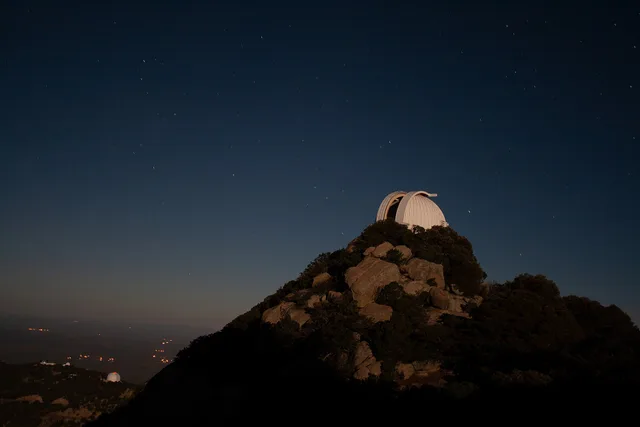
Ask how many guests, how many telescopes, and how long is actually spent observing rather than traveling and gathering. Ask for the guest-to-telescope ratio in writing, because it decides whether you spend the night at an eyepiece or in a queue. Some nights sold as tours are public observatory programs rather than commercial companies — Kitt Peak National Observatory in Arizona, Lowell Observatory in Flagstaff, and McDonald Observatory in West Texas all run bookable night programs — and the same questions apply to each. The general framework for weighing those answers is in questions to ask when booking a stargazing trip, and the operator categories that shape the answers are in thirteen kinds of astronomy tour operator.