Guides
Dark Sky Travel: Darkness, Moon and Access
Dark sky travel depends on more than a certified park. Learn how darkness, the Moon, certification, access, and safety shape a stargazing night.
Dark sky travel is a scheduling problem before it is a destination problem. Pick the wrong week, and the finest site in the country gives you a gray dome. Pick the right week, and an ordinary campground an hour out of town does more than you expect.
This guide covers the factors that shape a trip: darkness, the Moon, certification claims, access, and the two hazards that send people home early.
What to take away
- Moon phase, season and the forecast shape a night far more than the choice of park does.
- Sky darkness is measured on the Bortle scale, nine classes from 1 (darkest) to 9 (inner city); most people get an excellent evening at class 3 or 4.
- Dark sky certification is granted by DarkSky International rather than by the park, so confirm any claim on the park's own page.
- Cold after sunset and unlit park roads cause more trouble than anything overhead, and both are simple to plan for.
How dark is dark enough
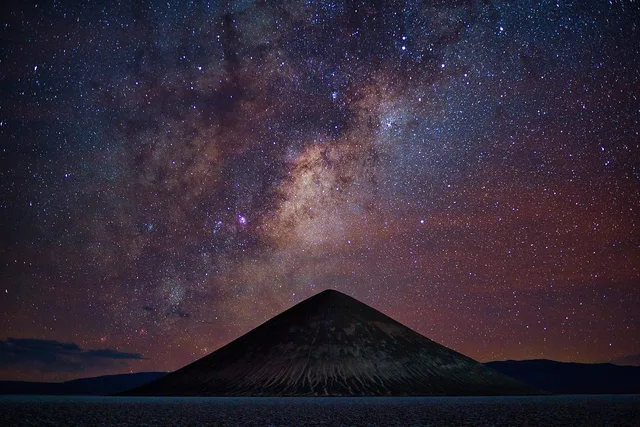
Darkness is not all or nothing, and NASA's guidance on finding a good place to stargaze explains that skyglow fades as you move away from a population center. Getting roughly 20 to 30 miles beyond city limits is the key step.
Bortle scale: dark to bright
Class 1
- Sky
- Darkest on Earth
- Where
- Remote wilderness
- Trip use
- Bucket-list target
Class 3-4
- Sky
- Excellent evening
- Where
- 20-30 mi past city
- Trip use
- Adequate site
Class 9
- Sky
- Brightest city sky
- Where
- City center
- Trip use
- Avoid for faint targets
NASA adds that most people get an excellent evening at Bortle class 3 or 4. Putting a ridge between you and the nearest city, or gaining a couple of thousand feet of elevation, often helps more than driving another two hours.
That changes the shape of a trip: instead of aiming at one famous site, line up several adequate sites within an hour of a bed.
Plan the nights, then book the beds
Work outward from the sky calendar. Moon phase first, then the usual weather pattern for that region in that month, then lodging. A full Moon does not ruin a trip, but it changes what the trip is for. Bright nights suit walking and silhouettes; faint targets need the week around new Moon.
Plan nights before booking beds
- Check Moon phase for your dates
- Check usual regional weather that month
- Book lodging only after both
- Full Moonnight hike, silhouettes
- New Moon weekfaint targets
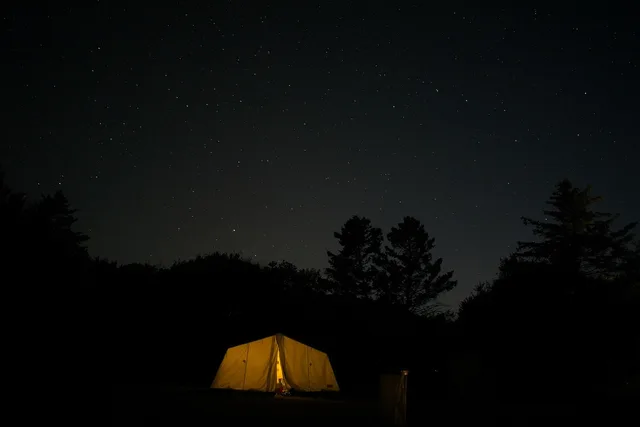
The Park Service page on where and how to stargaze shows how little gear this takes. A red flashlight or headlamp keeps your night vision. Find the Big Dipper, then follow its pointer stars to the North Star.
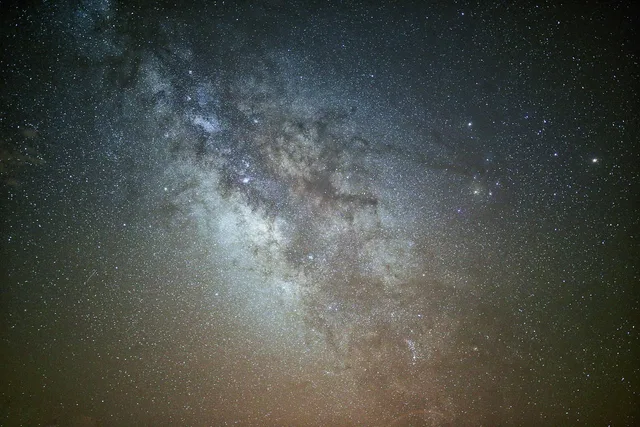
When the full Moon is up, take a night hike rather than fighting it. The Milky Way shows best in summer and fall evening skies.
What certification does and does not tell you
Certified dark sky places are designated by DarkSky International — the organization formerly known as the International Dark-Sky Association — not by the National Park Service. Its designations include International Dark Sky Park, Sanctuary, Reserve and Community, plus Urban Night Sky Place. A park page normally states plainly whether the park holds a designation and in what year. If a listing does not point at that page, treat the claim as unverified.
Certification tells you a place has committed to careful outdoor lighting and has measured its skies. It does not tell you the road is open, the campground has space, or the sky will be clear on your dates.
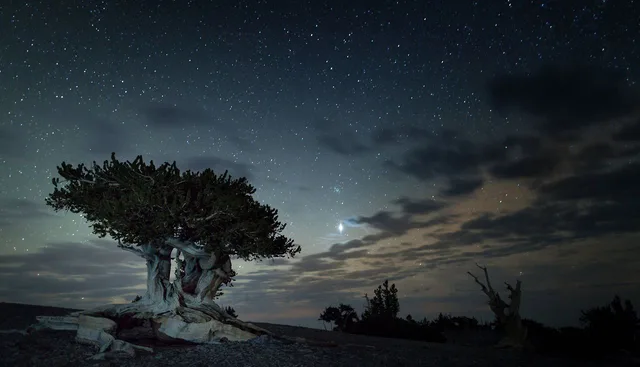
A few certified places you can look up: Natural Bridges National Monument in Utah, the first International Dark Sky Park; Death Valley and Grand Canyon in the Southwest; and Great Basin in Nevada.
Access and the two real hazards
Budget the whole night, not the ticket. Fuel, a second night so you are not driving home exhausted, layers, and any reserved program all count. For more on transport, stays and tickets, see the separate cost guide.
Budget the whole night
- Fuel for the drive
- Second night to avoid tired driving
- Extra insulation beyond daytime forecast
- Reserved program tickets
- Overnight parking permit or road closing time
- Sleep near the site, not a long drive
Access rules belong in that total too. A road that closes at nine, or a permit needed to park overnight, changes a trip more than the fee attached to it. On federal land, those overnight permits and campground reservations usually run through recreation.gov.
Two hazards matter: clear desert nights shed heat fast, so people underdress because the afternoon was warm; carry more insulation than the daytime forecast suggests. Driving unlit park roads after a long night is the other hazard.
Animals are on the road, and few safe places allow pulling over; sleep near the site instead, or pick a property you can observe from without driving at all. For related first-trip advice, see what first-time visitors miss.
Common questions
Do I need a telescope?
How far from a city do I need to get?
Is a full Moon wasted?
How early should I book?
In this guide
- How to Budget for a Dark Sky Trip: Fuel, a Bed Near the Site and GearA planning guide to dark sky trip budgets: fuel, the bed near the site, park access and cold-weather kit, with illustrative bands to run on your own dates.
- Vet a local dark sky guide: permit, insurance and the MoonHow to vet a local dark sky guide before you pay: read the listing, check the park permit and insurance, and put five booking questions in writing.
- Dark sky travel accessible options at Great Sand DunesDark sky travel accessible options at Great Sand Dunes: parking, the accessible mat, sand wheelchairs, a beginner night guide and when to look up.
- Dark sky travel: a two-night itinerary built around the sky, not the clockA two-night stargazing plan set by sunset, moonrise and moon phase, with a daylight scout, a rehearsal night and a second night for real observing.
- Dark adaptation, cold, phone signal, and the drive home: what to know before a first dark sky nightA first timer's guide to a dark sky night: how long eyes take to adapt, why red light matters, staying warm, unreliable phone signal, and planning the drive home.