Guides
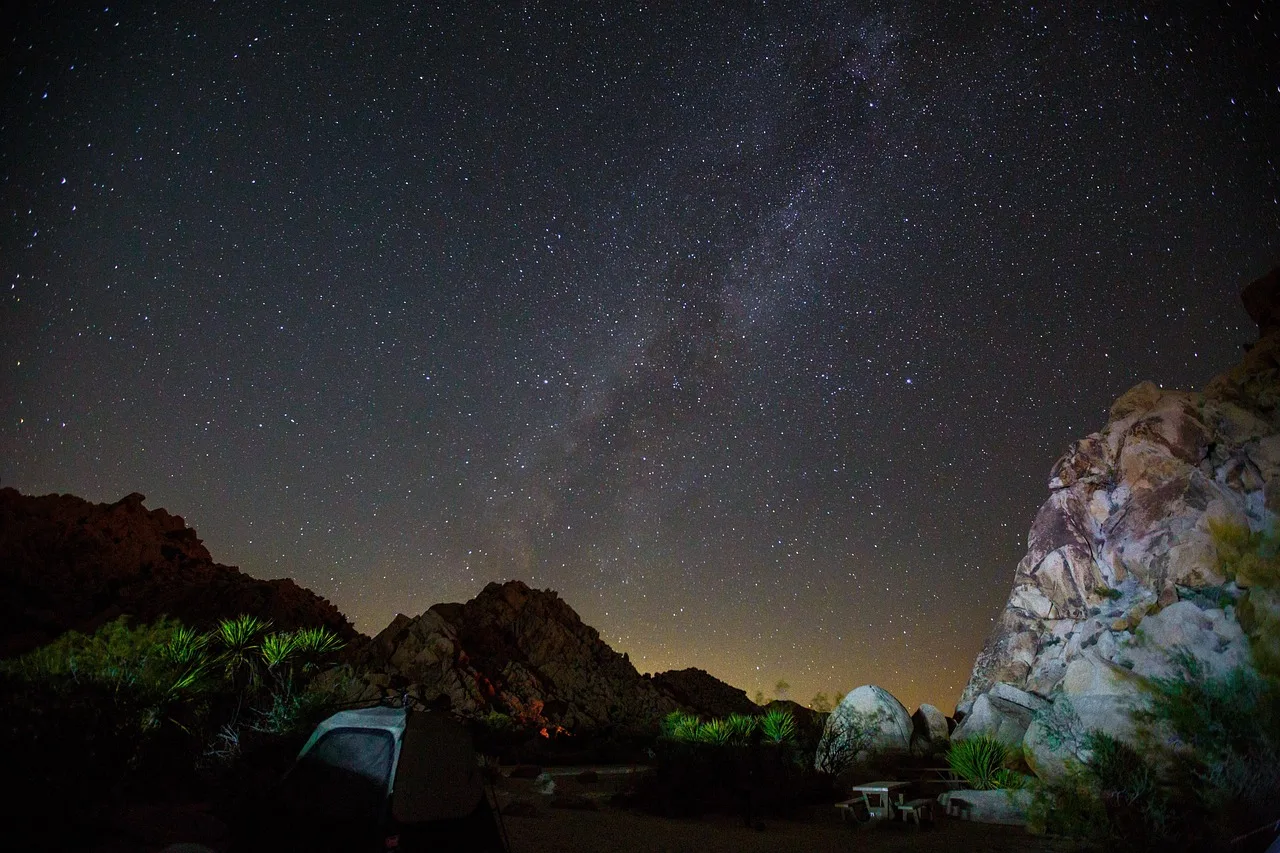
Bortle 1 Skies in the US: Five Parks That Come Close
Bortle 1 skies in the US: none of the five parks that come closest has a published class 1 rating, plus what each agency says about its sky.
What to take away
- Bortle 1 skies in the US are rare, and few sites carry a published class. Five parks come closest on the record: Cherry Springs, Natural Bridges, Chaco Culture, Big Bend's backcountry and Death Valley in winter.
- Every one pairs a town with bus or rail service with a taxi, a shuttle or a licensed tour for the last leg.
- The trip stops paying when round trip travel time runs longer than the site's hours of full darkness.
- Off-season weeknights near a new moon are when the compromise costs least.
- Confirm shuttle and tour schedules with the operator before booking, since seasonal service changes yearly.
The five sites, and the nearest town to each
The National Park Service's night sky handbook says only a few areas in the United States display class 1 or 2 skies, and that many western national parks have degraded to class 3 or 4. The five sites below are among the darkest on record, and each sits far from the cities that light them up. Every one pairs a town with bus or rail service with a taxi, a shuttle or a licensed tour for the last leg, arranged in advance. The table names the access chain for each.
The five sites
| Site | Nearest transit | Last leg | Season and limit |
|---|---|---|---|
| Cherry Springs State Park, PA | Regional bus on US 6 through Coudersport and Galeton | Prearranged taxi or shuttle, about 15 miles | Check park calendar; field registration required |
| Natural Bridges National Monument, UT | Intercity bus to Blanding, about 40 miles away | Licensed guide or shuttle from Blanding | Year-round; loop road closes to through traffic at night |
| Chaco Culture NHP, NM | Bus or shuttle to Nageezi, about 20 miles out | Licensed guide; access road is unpaved and rough | Ranger-led night sky programs seasonally; check tribal land rules |
| Big Bend NP, TX | Amtrak Sunset Limited to Alpine; bus connections in Marathon | Licensed shuttle from Terlingua or Study Butte | Fall through spring; backcountry campsites require a permit |
| Death Valley NP, CA/NV | Tour van from Las Vegas, about 120 miles; bus stop in Pahrump | Guided tour van | Winter only; summer heat unsafe |
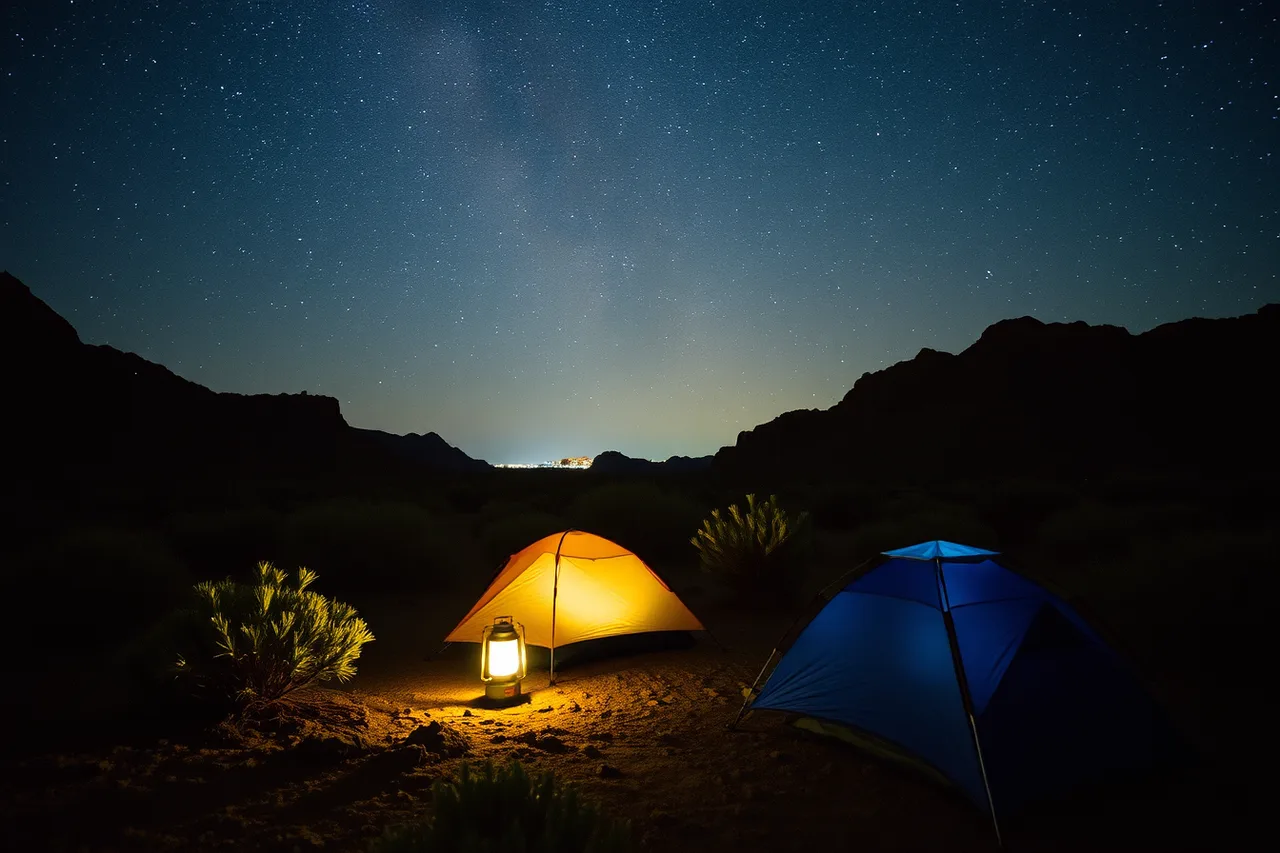
Cherry Springs State Park, Pennsylvania. An IDA International Dark Sky Park in the Susquehannock forest, and the darkest sky in the eastern US. It sits about 15 miles off US 6, which carries regional bus service through Coudersport and Galeton. A local taxi or a prearranged shuttle covers the last leg.
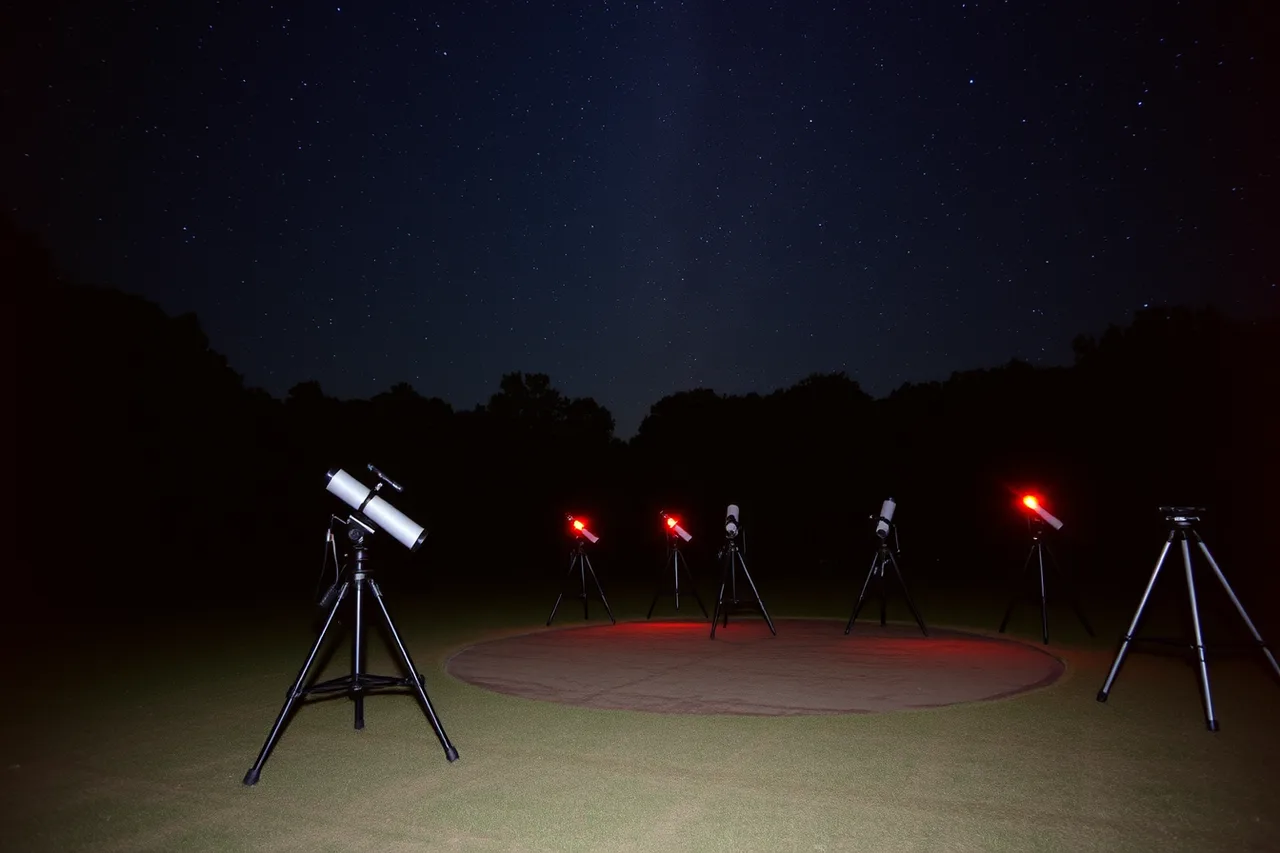
The overnight astronomy field is reserved for registered observers. Check current fees and reservation rules with the park.
Natural Bridges National Monument, Utah. The first IDA International Dark Sky Park, designated in 2007. It is roughly 40 miles from Blanding, which has no rail but does have intercity bus links. From Blanding a licensed guide or shuttle reaches the monument.
Camping is at the monument's small campground, which has 13 first-come, first-served sites. The loop road closes to through traffic at night.
Chaco Culture National Historical Park, New Mexico. An IDA International Dark Sky Park whose access road is unpaved and rough. The park runs occasional ranger-led night sky programs; check the park calendar for dates.
The nearest town with services is Nageezi, about 20 miles out. Chaco is also tribal land adjacent to Navajo Nation; check with the park and the Navajo Nation before any off-road travel.
Big Bend National Park, Texas. An IDA International Dark Sky Park with some of the darkest skies in the lower 48. The Chisos Basin and the park's backcountry campsites sit far from the light dome of Alpine and Marathon.
Alpine is an Amtrak stop on the Sunset Limited, and Marathon has bus connections. A licensed shuttle from Terlingua or Study Butte removes the driving. Backcountry campsites require a permit from the park.
Death Valley National Park, California and Nevada. An IDA International Dark Sky Park, and the largest in the lower 48. Winter is the season: summer heat makes the trip unsafe for most visitors.
Furnace Creek has lodging and a visitor center. The park is reachable by tour van from Las Vegas, about 120 miles away, or by a long drive from the nearest bus stop in Pahrump.
The Bortle scale, published by amateur astronomer John E. Bortle in Sky & Telescope, explains what separates class 1 from class 2 and the naked eye tests that tell them apart. The National Park Service explains light pollution and points to map tools that show sky brightness by region: the Light Pollution Map, an interactive map of artificial sky brightness worldwide, and a database of SQM measurements that lets you estimate a Bortle rating for anywhere in the world. Together they are how you check an area that no register lists. The designations above come from the International Dark-Sky Association, which runs the dark sky places program and keeps the certified list.
How dark each site is on the record
No public register gives a Bortle class for every park, and none of the five has a published class 1 rating. Dark sky park certification is not a Bortle rating either, so here is what the managing agency itself says about each sky.
- Natural Bridges.The only one of the five with a published class. When it was named the first International Dark Sky Park, the park's announcement quoted the reviewers describing it as "the only Bortle class 2 sky they've documented", the darkest they had seen. That is the nearest thing to a measured Bortle 1 on this list.
- Big Bend.The Natural Sounds and Night Skies division of the National Park Service has determined that Big Bend has the darkest night skies of any national park in the lower 48 states. Its neighbor, Big Bend Ranch State Park, is also an International Dark Sky Park.
- Death Valley.The park describes its skies as some of the darkest in the United States. It was the third International Dark Sky Park in the National Park System, and to qualify it improved exterior lighting at Furnace Creek and Stovepipe Wells.
- Cherry Springs.Pennsylvania's DCNR declared it the state's first Dark Sky Park in 2000 and calls it one of the best places on the eastern seaboard for stargazing.
- Chaco Culture.A certified International Dark Sky Park; check the park's own night sky pages for its current program and conditions.
Read those as rankings, not guarantees. A class 2 sky at Natural Bridges on a moonless night beats any of the five under a bright Moon.
What the no-car, one-night limit rules out
Three famous parks fall outside the limit. Great Basin in Nevada, Grand Canyon's North Rim and Glacier in Montana all sit more than 200 miles from a rail or bus stop that leaves room for observing. Rule them out for a single night.
Rule out any site whose final approach is a dirt road with no service and no shuttle. That removes the last stretch into many designated dark sky parks across Utah and Nevada, including parts of Capitol Reef and Canyonlands.
Rule out a same night return on a late train. If the last scheduled departure leaves before the sky is dark, you have booked a nap on a platform. The timing errors that repeat most often are collected in stargazing travel mistakes tips.
What still works inside the limit
Class 3 and 4 skies survive, and they sit at the edge of a metro light dome, which is where commuter rail and regional buses stop. The table below is an illustrative guide to what each class delivers and how far you usually travel.
Sky class vs transit distance
Sky class
- Bortle 1
- 150 to 300 miles
- Bortle 3
- 40 to 80 miles
- Bortle 5
- 10 to 25 miles
- Bortle 7
- 0 to 5 miles
Distance from transit
- Bortle 1
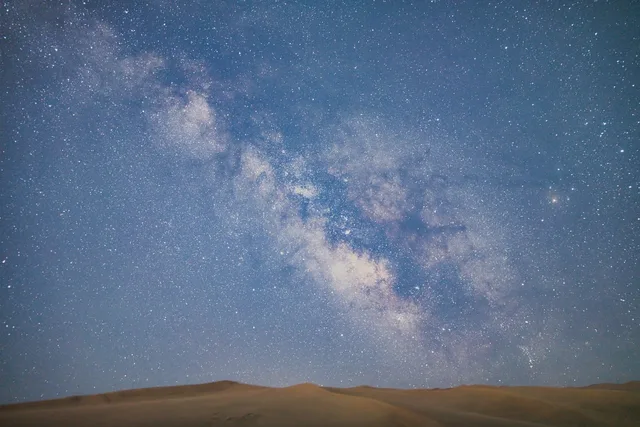
- Milky Way casts shadows
- Bortle 3
- Milky Way bright, dust lanes clear
- Bortle 5
- Milky Way faint but visible overhead
- Bortle 7
- Only the brightest stars
Naked eye result
- Bortle 1
- Bortle 3
- Bortle 5
- Bortle 7
What still works
| Sky class | Typical distance from a transit stop | Naked eye result |
|---|---|---|
| Bortle 1 | 150 to 300 miles | Milky Way casts shadows |
| Bortle 3 | 40 to 80 miles | Milky Way bright, dust lanes clear |
| Bortle 5 | 10 to 25 miles | Milky Way faint but visible overhead |
| Bortle 7 | 0 to 5 miles | Only the brightest stars |
Binoculars beat a telescope here. A 10x50 pair fits in a day bag, survives a walk, and shows the Andromeda galaxy under a class 4 sky. That bag packs in reverse order, and the notes in astronomy itinerary building packing explain why the heaviest item goes in first.
The threshold, in named variables
Add the outbound transit, the walk from the stop, the return trip, and the wait for the first morning service. Compare that total with the site's hours of full darkness.
Round trip vs dark window
Does the round trip exceed the site's dark window?
traveling to be tired, not observe
the trip still works
If the round trip takes longer than the dark window, you are traveling to be tired, not to observe.
When travel time exceeds the dark window, stop paying for the workaround. If walking is the harder problem, stargazing travel mistakes accessibility covers what a label does and does not get you.
Example: one night at Natural Bridges
A Friday in October, one night, no car, target class 2.
- Book the shuttle from Blanding before you book the campsite, since the shuttle is the constraint.
- Write down the last return departure and the first morning departure before paying for anything.
- Check the moon and aim for a new moon, or a crescent that sets before 10 p.m.
- Walk the final mile with the bag packed, and arrive 40 minutes early to dark adapt.
- Log what you saw, because the next trip gets planned from those notes.
When to go anyway
Go in the off season. Weeknights from late autumn through winter give the longest dark windows, the thinnest crowds, and the easiest beds to book. Transit schedules shrink, so confirm the last bus before you commit. Take a second layer and a thermos, since standing still in 25 degree air drains heat faster than walking does.
Skip the trip in the two weeks around a full moon unless you want a wide field photograph. If the forecast calls for solid overcast, the workaround has already failed. Stay home and read night sky destinations for a longer trip with a car.
Common questions
Is a Bortle 1 site worth a 300 mile drive?
Once a season, yes, if you stay two nights and the forecast holds. For one night it usually is not, because the drive eats the darkness you came for. Cherry Springs and Natural Bridges both reward a second night.
Can I reach a Bortle 1 site without a car?
You can reach the five that come closest, but only with a shuttle, a licensed tour or a short taxi from a town with bus service. Chaco requires the most planning because of its unpaved access road and tribal land status. Confirm with the park and the relevant tribal authority before you go.
How far from a city do I need to be for a decent sky?
Roughly 40 to 80 miles for class 3, where the Milky Way turns obvious. Inside 25 miles you are usually under class 5 or brighter. The five sites above sit well outside those bands.
What should I check before booking a dark sky tour?
Ask whether transport is included, whether the guide is licensed for the land you are visiting, and what happens if the sky is overcast. Get the cancellation policy in writing. Verify current prices and certifications with the operator and with the IDA listing for the site.