Features
Part of Sorting real night sky destinations from rumors, category by category
Decision guide for night sky destinations options: pick the night, then the stop
How to fold a dark sky night into a road trip you are already taking, using detour time, moon phase and a short list of stop types that reward one evening.
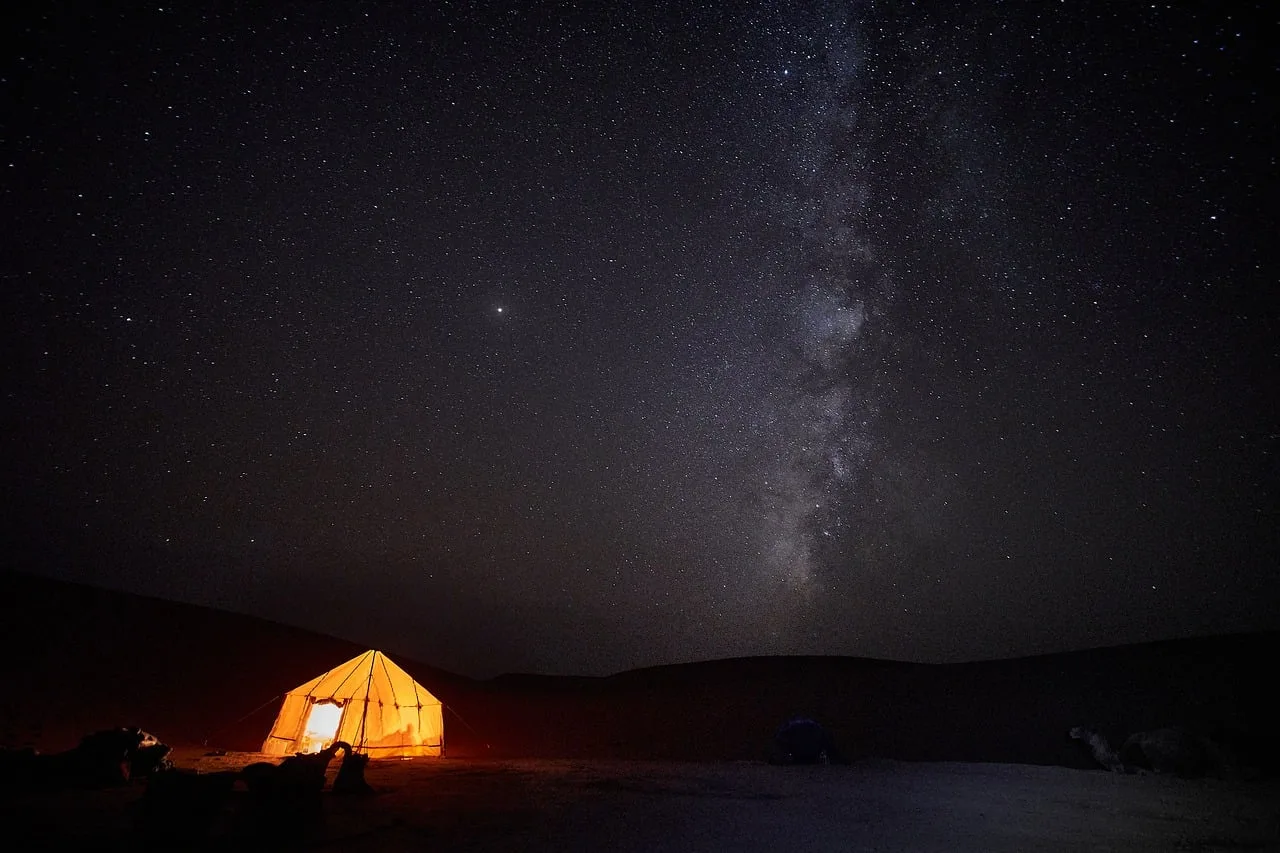
Not every dark sky night needs its own holiday. Most people driving across the western states pass within an hour of somewhere genuinely dark without noticing, and a single well chosen evening can be the part of the trip everyone remembers. The trick is to add the stop where it costs least, which is almost never where the map suggests.
What to take away
- Add a night stop where you were already going to sleep, not as an extra detour.
- One clear evening at a modest site beats a long drive to a famous one.
- Smaller monuments often have darker skies and fewer people than the headline parks.
- Check the Moon before you fix the route, since it decides which night is worth stopping for.
Pick the night, then the stop
Look at your route. Find the two or three nights when you can choose where you sleep. If one lands at a property with its own dark horizon, the stop adds no extra driving.
Pick the night first
Which nights can you choose where you sleep?
Check the Moon for those dates
Keep your fixed stops and skip the detour
Check the Moon for those dates with a moon phase calendar — timeanddate.com's moon phase page is the quick version, and the U.S. Naval Observatory publishes the same tables. If one of your candidate nights falls in the darker half of the month, that is your night sky evening. Everything else follows from it.
This is the opposite of how most people plan, which is to choose the famous stop and then discover the Moon is full. Reversing the order costs nothing and roughly doubles the odds of a good night. You are choosing between the nights you already have rather than hoping one of them cooperates.
Stop types that reward a single evening
- Small national monuments.Often dark, quiet, and organized around one short walk.
- High passes and rim overlooks.Elevation gets you above valley haze.
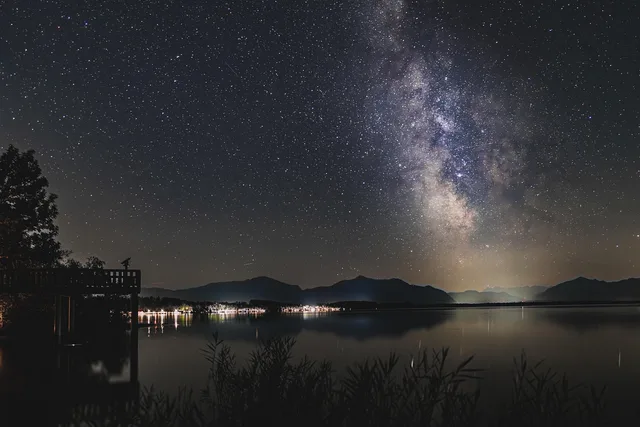
- Reservoir and lakeshore campgrounds.Water on one side means no lights on that side.
- Roadside public land.Free, legal to stop on in many places, and worth the extra care about access.
- Parks with a scheduled evening program.They give the stop a fixed time and a person to ask.
Hovenweep National Monument, on the Utah–Colorado line, is a fair example of the first type, and it is itself a certified International Dark Sky Park. Its stargazing page describes sitting in the campground after a day of hiking and looking at the same sky ancestral Puebloans watched here over 700 years ago.
It notes that some structures and markings at the site relate to tracking the year. That is a lot of interest for one evening and one campsite.
How the options compare
Judge them by access and by who is already there. Natural Bridges and Hovenweep sit well off the interstates, so the drive is longer and the crowd is thinner. Bryce Canyon and the Grand Canyon's North Rim fill up in season, but their evening programs mean someone else sets the telescope up and sets the schedule. Roadside public land on BLM ground costs nothing and takes no reservation, but you carry in your own water and there is no ranger to ask.
Why even a modest stop is worth it
Most travelers underestimate how rare a dark sky has become in daily life. Curecanti National Recreation Area's page on dark skies puts a number on it: light pollution obstructs the view of the Milky Way for eighty percent of Americans.
Against that baseline, a single clear night at a middling site is a substantial change, and it does not require the darkest place in the country. It does not require much money either, and the lines that make up a night sky weekend show which of them a single roadside stop skips entirely.
Making it work in one evening
Arrive before sunset. Eat before dark rather than after. Set up where you will not need to move the car again. Give your eyes twenty uninterrupted minutes before deciding whether the sky is any good, because the first impression is always the worst one you will get.
Then be honest about the morning. If the next day involves a long drive, set a finish time and keep to it. The two-night version of this, which removes most of the pressure, is in our two-day dark sky itinerary, and the categories of place worth stopping at are set out in our guide to night sky destinations.