Features
Great Basin National Park stargazing: the Nevada dark sky stop most road trips miss
A Great Basin National Park stargazing guide covering Nevada dark sky travel, ranger astronomy program timing, camping reservations and tribal land etiquette.
What to take away
- Great Basin National Park near Baker, Nevada, holds Gold Tier International Dark Sky Park status and some of the darkest skies in the contiguous United States.
- Ranger-led astronomy programs run on a summer schedule with telescope viewing after a short talk, so check the park calendar before you lock a date.
- Camping is the practical base, and Recreation.gov reservations for new moon weekends go fast.
- The park is hours off the Denver and Death Valley corridors, which makes it a two night destination rather than a quick stop.
- Tribal land surrounds parts of the region, and permission and cultural respect come before any telescope setup.
Why Great Basin rewards a deliberate detour
Great Basin sits in eastern Nevada, roughly 290 miles from Salt Lake City and about 285 miles from Las Vegas. US Route 50, the Loneliest Road in America, runs north of the park, and the entrance road climbs west from Baker on NV-487.
Great Basin Detour Distances
- 290 milesfrom Salt Lake City
- 285 milesfrom Las Vegas
- US Route 50Loneliest Road north of park
- NV-487entrance road west from Baker
Nothing about that location is convenient. Drivers crossing the West on Interstate 70 or Interstate 15 rarely add the extra day. The reward is a park that stays quiet after sunset.
City light still travels. Las Vegas, Salt Lake City and Reno all throw glow into the sky. The National Park Service explains how light pollution spreads and how dark sky maps help travelers find the last genuinely dark ground.
Reading the sky: Bortle classes and moon phase
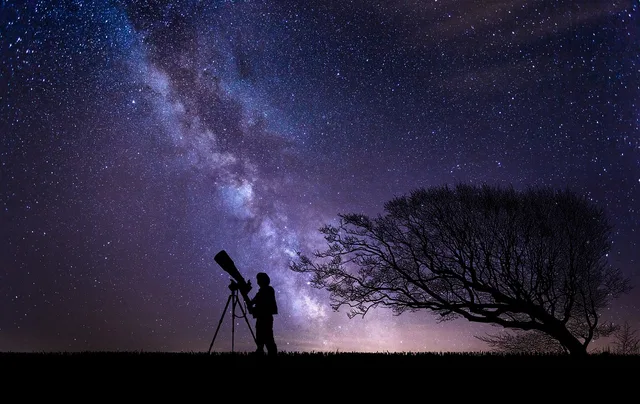
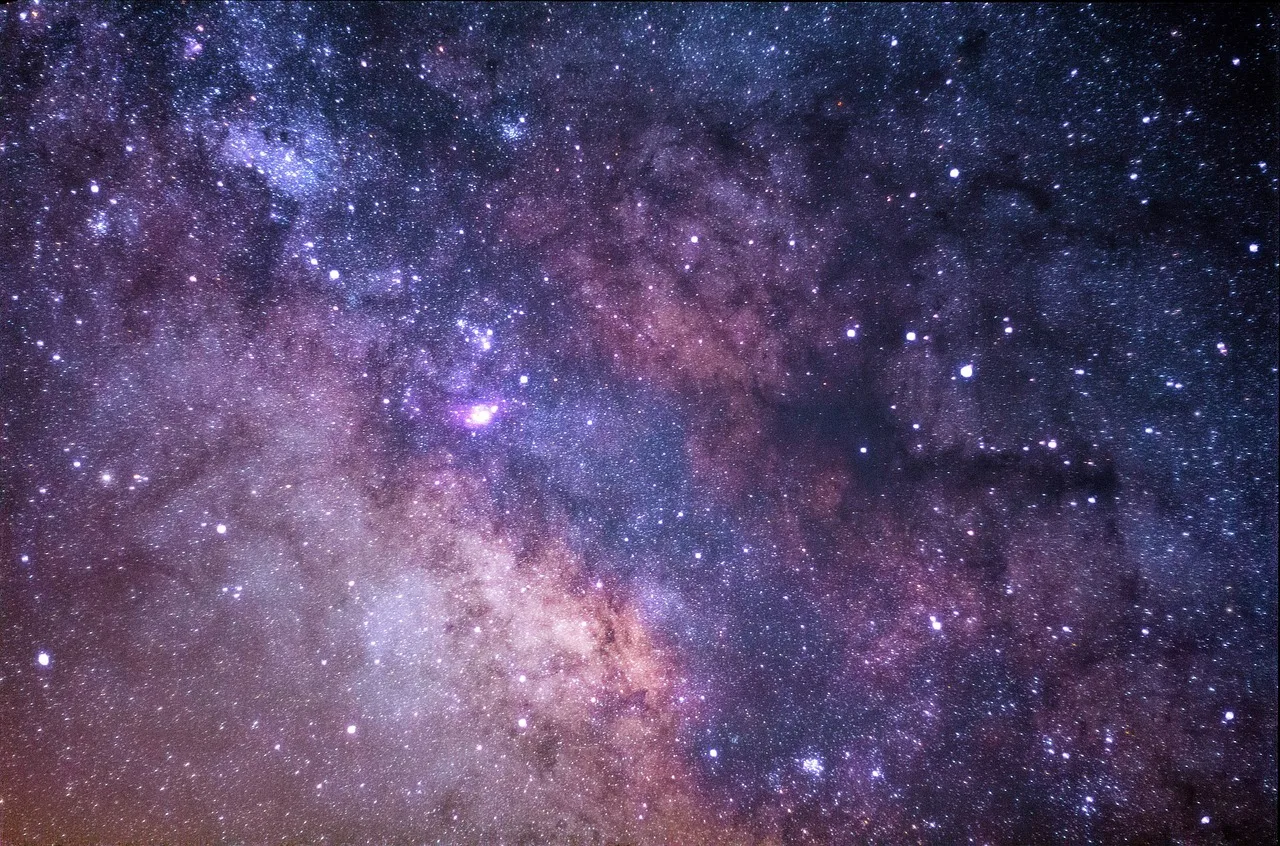
The Bortle scale ranks night sky darkness from 1 to 9, and Bortle 1 is the darkest class. Backcountry sites here approach that rating, with a structured Milky Way and zodiacal light before dawn in spring.
Moon Phase Viewing Guide
New moon
- What you can see
- Milky Way core, faint nebulae
- Best use
- Deep sky observing and photography
First or last quarter
- What you can see
- Some lunar detail, partial dark sky
- Best use
- Mixed evenings
Full moon
- What you can see
- Bright ground shadows, few faint objects
- Best use
- Night hikes and wide angle photos
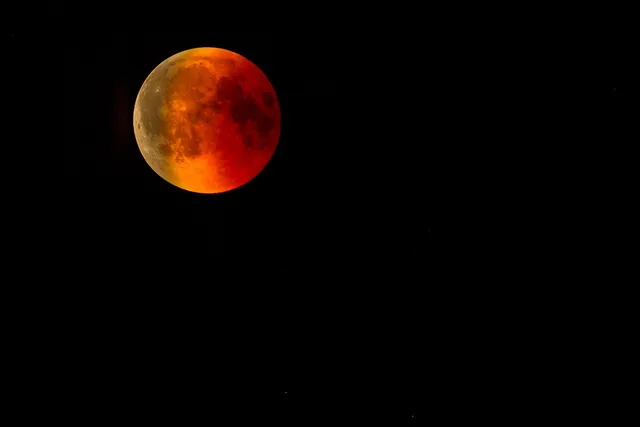
Moon phase decides more than location for most visitors. A bright moon washes out faint objects even at a Gold Tier park.
Bortle classes and moon phase
What you can see
- New moon
- Milky Way core, faint nebulae, meteor showers
- First or last quarter
- Some lunar detail, dark sky for part of the night
- Full moon
- Bright ground shadows, few faint objects
Best use
- New moon
- Deep sky observing and photography
- First or last quarter
- Mixed evenings
- Full moon
- Night hikes and wide angle photos
Ranger astronomy programs and telescope nights
The park runs ranger-led astronomy programs through the summer season, usually several nights a week. A short talk comes first, then staff and volunteers aim telescopes at planets, star clusters and galaxies.
Programs follow specific dates and times, so check the park calendar before booking lodging. Clouds cancel without much notice.
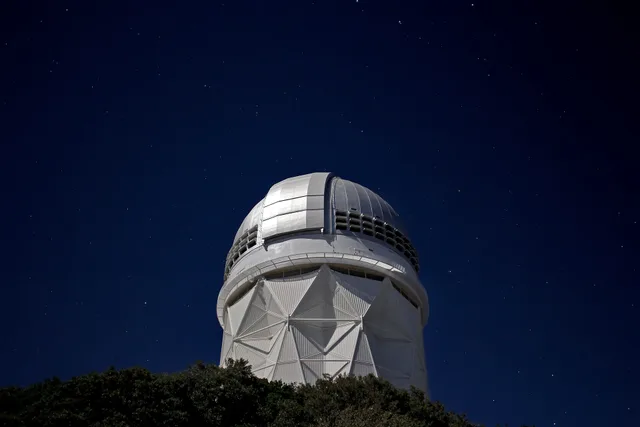
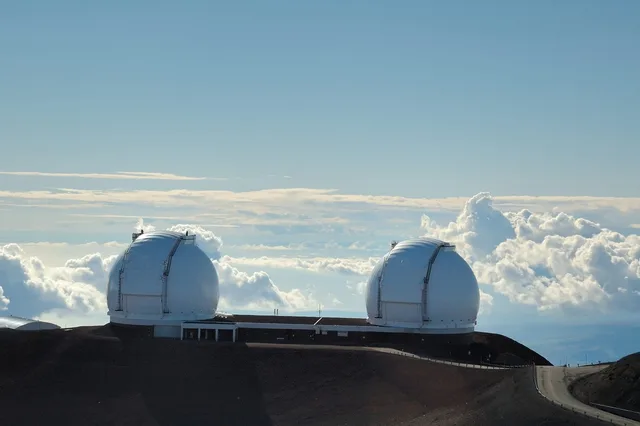
Bring a camp chair, warm layers and a red light. The Lehman Caves area sits above 6,000 feet, and nights turn cold even in July. A research telescope, the Great Basin Observatory, also operates on park land.
Camping reservations and Baker lodging
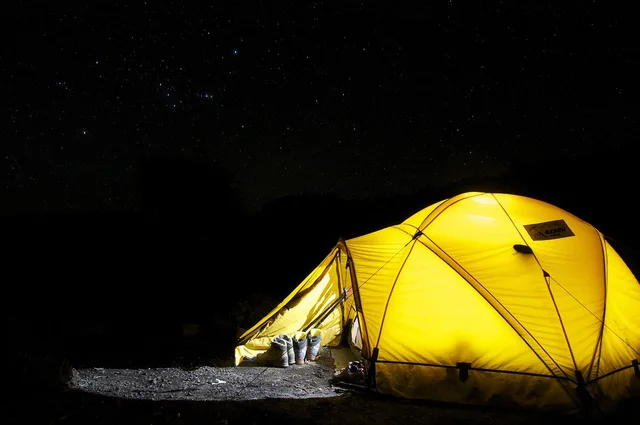
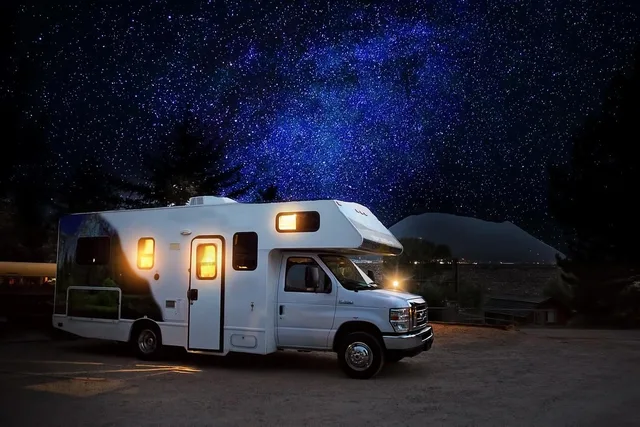
Camping keeps you inside the dark. Park campgrounds include Lower Lehman Creek, Upper Lehman Creek, Baker Creek, Wheeler Peak and Grey Cliffs. Some sites are reservable on Recreation.gov, and others are held for same day arrivals.
New moon weekends in summer fill first. Book the day your dates open, and keep a fallback in Baker or on nearby BLM land.
Baker has a small number of motels and RV parks, and they sell out during the park's fall astronomy festival. The National Park Service night skies program links to individual park pages where campfire rules and seasonal restrictions are listed.
Tribal land around the park
Goshute, Western Shoshone and Southern Paiute communities live across this region, and reservation boundaries sit close to the park. Land inside the park is federal and open. Tribal land is not.
Rules differ by nation. Some require permits for organized groups, commercial filming or overnight stays. Ask before setting up a telescope, and never collect artifacts or disturb cultural sites.
If your route continues into the Southwest, read what tribal land stargazing requires before you book anything on reservation land.
Example: a two night new moon plan
- Choose a new moon weekend from June through September, when the Milky Way core is up after dark.
- Reserve a campsite on Recreation.gov the day the window opens, then add a Lehman Caves tour.
- Fuel up in Ely or Delta, because the last stretch has long gaps between services.
- Eat early, then carry a chair to the astronomy amphitheater for the ranger talk.
- Sleep late, hike or tour the cave by day, then set up your own telescope at a dark pullout after midnight.
Red light only after dark. A white screen for two seconds costs nearby observers about twenty minutes of adapted night vision.
Where this fits on longer routes
Travelers coming from Colorado have closer options, and the Denver area dark sky circuit pairs Rocky Mountain with Great Sand Dunes on one loop.
A Death Valley stargazing drive from Los Angeles runs on the same moon phase math and fuel planning, so plan both legs from one calendar.