Features
Sorting real night sky destinations from rumors, category by category
Fourteen categories of night sky destination, from certified dark sky parks to your own backyard, with a method for checking any claim before you drive to it.
What to take away
Sorting real night sky destinations from rumors, category by category, starts with named sites and plain checks. Best night sky destination lists go stale fast. Many repeat certification claims nobody checked. Below are fourteen categories that reliably deliver a good night, each with real places and public facts. Build your own shortlist instead of copying someone else's.
- Certification is granted by an outside organization, so verify a claim on the site's own page before repeating it.
- The difference between a dark site and a suburban one is enormous, and it is measurable.
- Categories travel better than lists, because a category still applies when a particular park changes its programs.
- The nearest place that is dark enough usually beats the famous place four hours further on.
Why the category matters more than the name
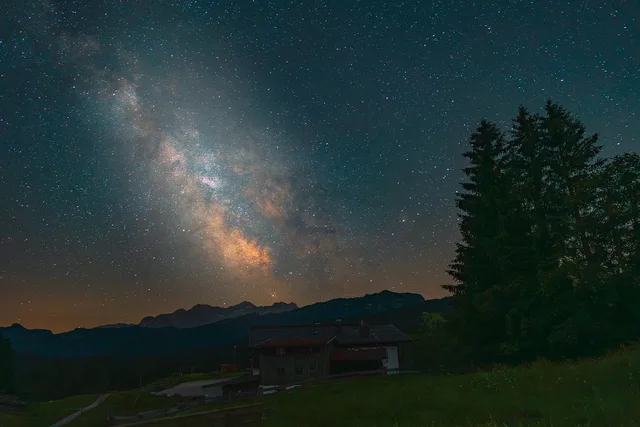
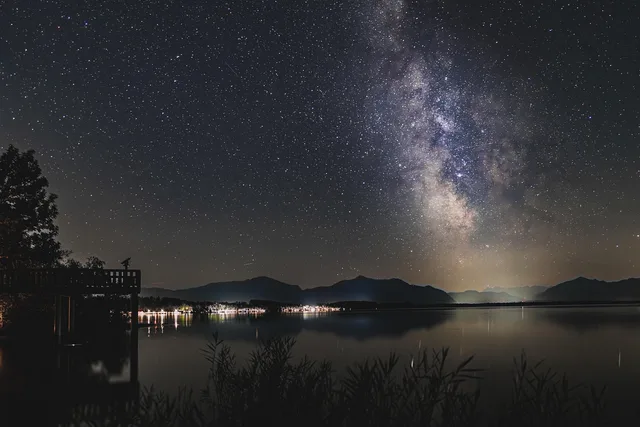
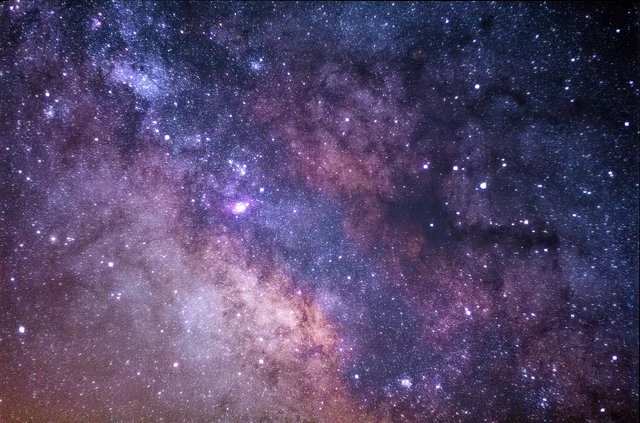
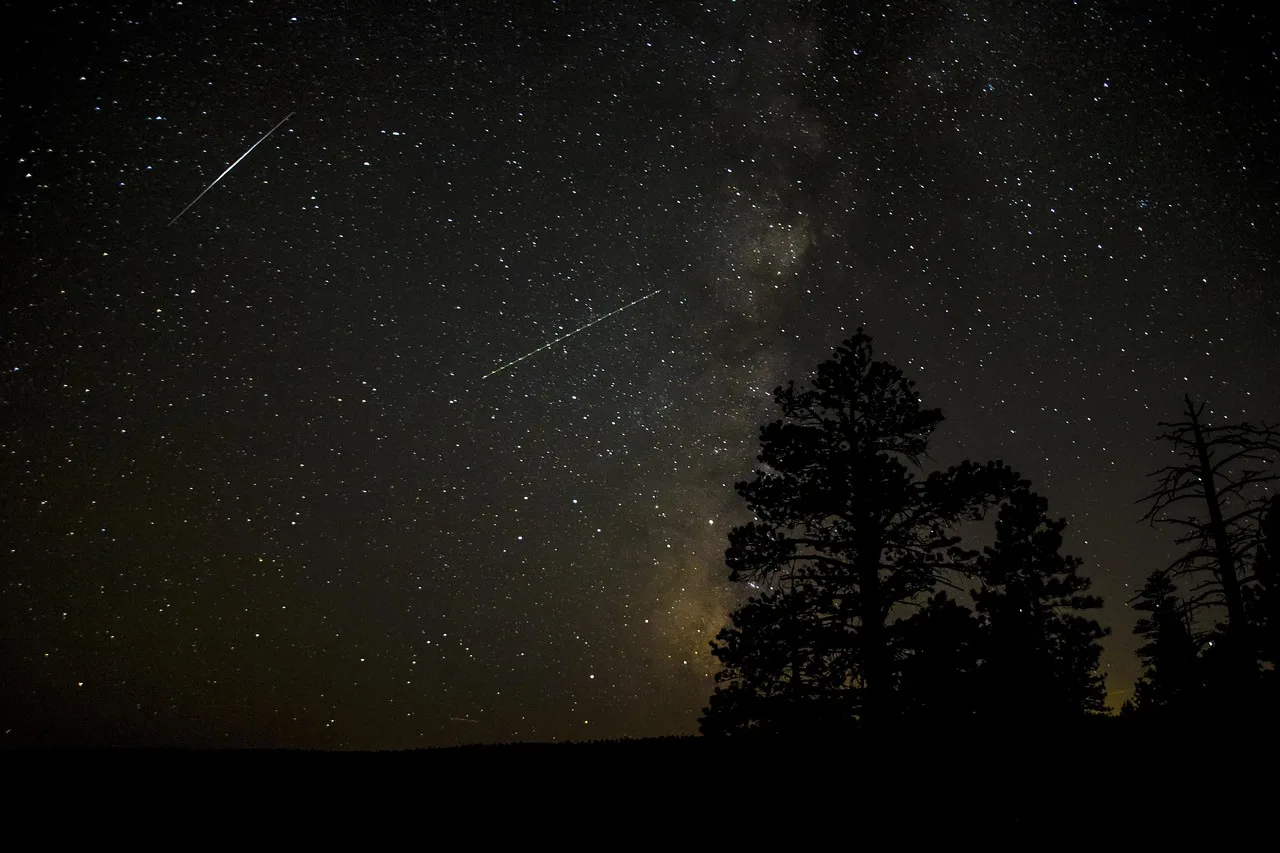
Under a genuinely dark sky, the number of visible stars is not slightly higher, it is transformed. Natural Bridges National Monument, the first certified dark sky park, makes the scale plain on its night skies page: some protected areas show up to 15,000 stars through the night.
Visible stars: dark sky vs urban
Genuinely dark sky
- Visible stars
- up to 15,000
- Example site
- Natural Bridges
- What it means
- sky transformed
Urban settings
- Visible stars
- fewer than 500
- Example site
- city or suburb
- What it means
- sky washed out
From more urban settings, fewer than 500 may be visible. That gap, not a ranking, is what a trip is buying.
The fourteen categories, with named destinations
- Certified dark sky parks, where lighting has been retrofitted and the sky measured. Natural Bridges National Monument in Utah was the first, designated in 2007. Chaco Culture National Historical Park in New Mexico (2013) and Grand Canyon National Park in Arizona (2019) also hold the status.
- Dark sky sanctuaries, which are remoter and usually harder to reach at night. Aotea Great Barrier Island in New Zealand (2017) and Stewart Island/Rakiura (2019) require a ferry or small plane. Boundary Waters Canoe Area Wilderness in Minnesota (2020) is paddle access only.
- Urban night sky places, close to a city and designed for people who cannot drive far. Palos Preserves in Cook County, Illinois, is near Chicago. The Presidio in San Francisco sits inside the city.
- Desert national monuments, where dry air and low humidity do most of the work. Natural Bridges National Monument and Hovenweep National Monument in Utah and Colorado are certified dark sky parks. Organ Pipe Cactus National Monument in Arizona was certified in 2021.
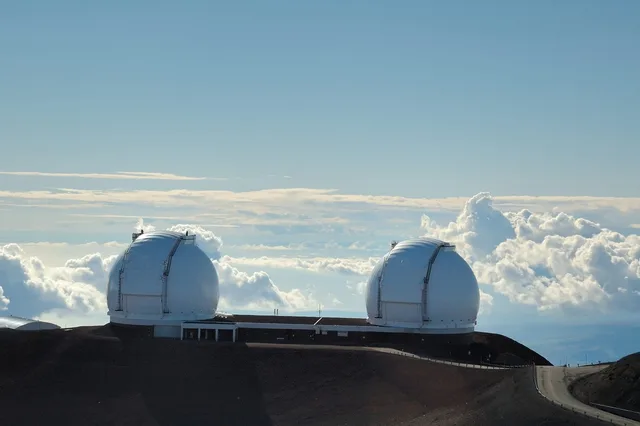
- High elevation passes and overlooks, above the haze that sits in valleys. Cedar Breaks National Monument in Utah sits near 10,000 feet and is certified. Trail Ridge Road in Rocky Mountain National Park, Colorado, reaches 12,183 feet. Mauna Kea's visitor station on Hawaii Island sits at 9,200 feet.
- Seashores and large lakes, where the dark half of the horizon is water. Acadia National Park in Maine (2019) and Cape Lookout National Seashore in North Carolina (2021) are certified. Sleeping Bear Dunes National Lakeshore in Michigan (2011) charges a park entrance fee. Headlands International Dark Sky Park on Lake Michigan is free and open 24 hours.
- Parks with their own observatory and a scheduled public session. Great Basin National Park in Nevada has the Great Basin Observatory and ranger-led astronomy programs. Bryce Canyon National Park in Utah runs telescope viewing and ranger programs. Kitt Peak National Observatory in Arizona offers nightly public observing.
- Parks running regular ranger astronomy programs through the summer. Grand Canyon National Park in Arizona, Bryce Canyon in Utah, and Acadia in Maine all publish summer night sky programs. Check seasonal schedules.
- Annual star parties and night sky festivals, which bring telescopes to you. Bryce Canyon Astronomy Festival and Grand Canyon Star Party run in June. Texas Star Party meets in spring near Fort Davis. Stellafane in Vermont and the Oregon Star Party draw amateur telescope makers.
- Archaeoastronomy sites, where the sky is part of the cultural record. Chaco Culture National Historical Park has Casa Rinconada and solstice alignments. Hovenweep National Monument has building alignments. Cahokia Mounds in Illinois has a reconstructed Woodhenge.
- National forest and public land sites, often free and less regulated. Spruce Knob-Seneca Rocks National Recreation Area in West Virginia is a certified dark sky park and free to enter. Spruce Knob is the state's highest point at 4,863 feet. Dispersed camping rules vary by district.
- State parks within two hours of home, the most underrated category here. Cherry Springs State Park in Pennsylvania (2008) has an overnight astronomy field. Goblin Valley State Park in Utah (2016) and Anza-Borrego Desert State Park in California (2018) are certified. Copper Breaks State Park in Texas (2014) is another.
- Northern destinations at aurora latitudes, for a different target entirely. Fairbanks, Alaska, and Yellowknife, Canada, sit under the auroral oval with long winter nights. Tromsø, Norway, has polar night from late November to mid-January. Abisko National Park in Sweden has a dry microclimate that often clears skies.
- Your own backyard, used as a rehearsal before you spend money. A light pollution map shows what is possible from home. Test your camera and binoculars there first.
Numbers three, twelve and fourteen are the ones most people skip and most people benefit from. Several of the others work best as a single evening folded into a drive you were making anyway.
Fourteen night sky destination categories
- Certified dark sky parks
- Dark sky sanctuaries
- Urban night sky places
- Desert national monuments
- High elevation passes and overlooks
- Seashores and large lakes
- Parks with observatory sessions
- Ranger astronomy programs
How to check any candidate
Rumors often repeat a certification without a year or managing agency. Skipping this step is how people end up with three sites in four days and no spare night for weather. Before you build a trip around a site, run four checks:
- Does the managing agency's own page confirm any certification, and give a year?
- Is the site open at night, and is the access road open in your month?
- Is there somewhere to sleep within about half an hour?
- What is the light source on the horizon you care about?
The Park Service publishes night sky maps. They include an interactive map of locations with sky quality data from 2002 onward, snapshot reports, and night sky images.
A light pollution map lets you check your own area. That is a better starting point than a photograph in a listing.
Turning a category into a trip
Once you have two or three candidates, the sequence is the same as any other night trip: fix the target, fix the week, then choose between the sites on drive time and weather. Our guide to planning stargazing trips sets out that order, and the wider practical frame is in dark sky travel in 2027.
Common questions
Who awards dark sky certification?
Do I need a certified site?
How many stars should I expect?
What is the most overlooked category?
In this guide
- Decision guide for night sky destinations options: pick the night, then the stopHow to fold a dark sky night into a road trip you are already taking, using detour time, moon phase and a short list of stop types that reward one evening.
- The real cost of a two-night dark sky weekend, line by linePricing a two-night dark sky weekend line by line shows which costs move the total most and where to pull current figures for your own travel dates.
- How to slow down a night sky trip without wasting a clear nightSlow planning for dark sky travel: fewer sites, more nights, fixed anchor events, and a schedule that leaves room for cloud instead of pretending it will not come.
- Plan night sky destinations for autumn: places and datesPlan night sky destinations for autumn: month windows for four U.S. parks, a booking check around the new Moon, and the Orionid and Leonid showers.
- Comparing clothing, which is most of the list and comfortA packing list for dark sky nights: layers for sitting still, red light, a chair, spare power, and the cold weather margin that park safety pages keep warning about.