Industry
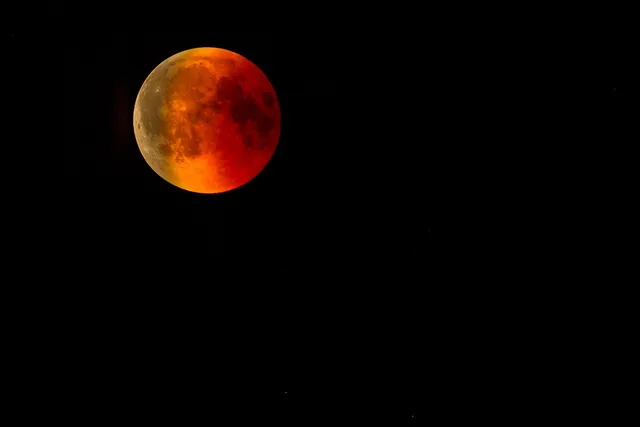
Part of Handling dark sky trip case studies step by step: case two: the lunar eclipse that worked
Buyer's checklist for dark sky trip case studies companies: where a guide genuinely cannot help
Across four worked dark sky trips, the guided nights succeeded for the same reasons: local knowledge, a fallback plan and honest limits on what could be promised.
What to take away
- For a buyer's checklist of dark sky trip case studies companies, the useful facts are visible before you book.
- Honesty about limits is the strongest signal of experience.
- Free club and ranger nights carry the same qualities at no cost. Cherry Springs State Park in Pennsylvania and the Grand Canyon Star Party in Arizona use staff, volunteers, and amateur astronomers.
- Paid US options include Kitt Peak National Observatory and McDonald Observatory. Both publish schedules and ticket prices.
Buyer's checklist
- Does the operator name the exact site and describe the horizon? "Mt John Observatory above Lake Tekapo" is useful. "A dark place" is not.
- Is there a cloud fallback, and how long is the drive to it? A planetarium or indoor dome ten minutes away is a real plan.
- What is the full price range per person, in USD? Ask what the ticket includes and what it does not.
- What are the cancellation and refund terms? Know what you get back if the operator cancels for cloud or weather.
- What happens if the session ends early? Ask whether a partial refund or a rescheduled night is offered.
What separated good guided nights at Dark Sky Project, Jasper Planetarium and Kielder Observatory
Across the worked trips in this cluster, guided nights did not succeed because the guide knew more astronomy. They succeeded because the guide knew the ground and had another place to go when the sky closed.
The guide told people honestly what a given night could and could not deliver. Those three things are what to look for, visible before you book.
- The guide named the site and described its horizons before booking. Dark Sky Project names Mt John Observatory and its horizon above Lake Tekapo.
- There was a stated alternative if cloud arrived, with a drive time attached. Jasper Planetarium keeps an indoor dome and theater as a fallback.
- Expectations were framed as ranges, not as promises. Kielder Observatory sells tickets for events that may become talks and indoor tours under cloud.
- Someone in the group who got cold was offered a way to warm up without ending the night for everyone. At Cherry Springs State Park, visitors can step into a vehicle and return under red light.
- The session finished when it was supposed to.
None of those requires expensive equipment. All require somebody who has run the night more than a few times, in bad conditions as well as good.
It also means a guided night rarely changes the arithmetic much once trips are compared on cost per usable dark hour.
Typical prices show the spread. Dark Sky Project tours typically cost NZD 100 to 200 per adult. Jasper Planetarium programs typically cost CAD 30 to 60. Kielder Observatory tickets typically run GBP 10 to 35.
Cherry Springs State Park programs and the Grand Canyon Star Party are free, though Grand Canyon entry is $35 per vehicle for seven days. For US paid options, Kitt Peak National Observatory's Nightly Observing Program typically costs USD 75 to 100 per person. McDonald Observatory star parties typically cost USD 20 to 40 per person.
The inverse is equally visible before booking. A guide who cannot say where the session happens, describes the sky in adjectives not objects, and has no answer for cloud probably ran the trip only in ideal weather. That guide may be reselling someone else's night.
Score two of them side by side on the same date using comparing two operators on one night. Compare the named site and horizon, the cloud fallback and drive time, and the refund terms if the sky stays closed.
Worked examples
These examples use public schedules and price ranges, not a report of one named customer's night.
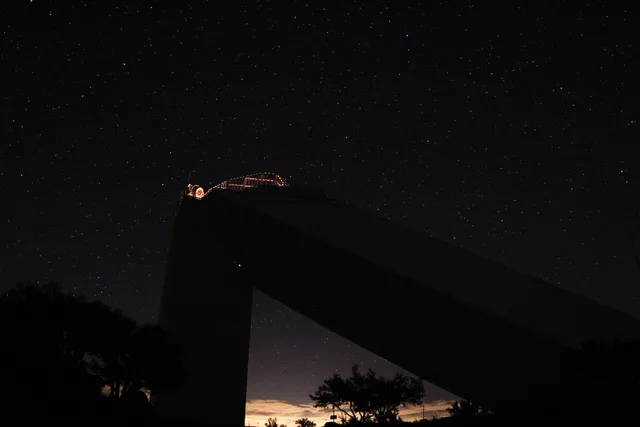
Dark Sky Project, Lake Tekapo, New Zealand. What you book: an evening tour at Mt John Observatory inside the Aoraki Mackenzie International Dark Sky Reserve. What happens: if cloud covers the summit, the operator moves the session to its planetarium. What it costs: tours typically cost NZD 100 to 200 per adult.
Jasper Planetarium, Jasper, Alberta. What you book: a telescope session in Jasper National Park with indoor dome access. What happens: when cloud arrives, the dome and theater become the fallback. What it costs: programs typically cost CAD 30 to 60.
Kielder Observatory, Northumberland, England. What you book: an evening event at the observatory. What happens: under cloud, the night becomes talks and indoor tours instead of telescope views. What it costs: tickets typically run GBP 10 to 35.
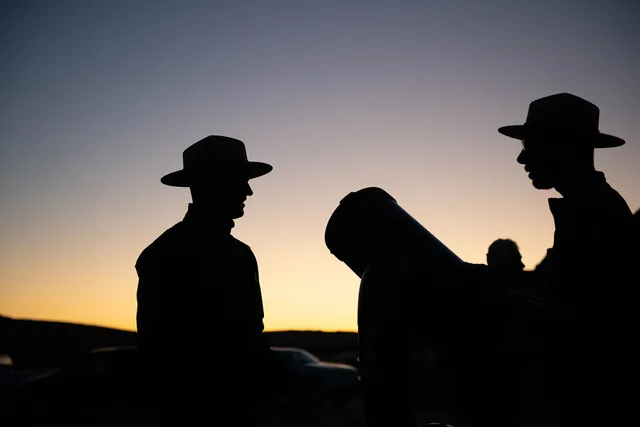
Cherry Springs State Park, Pennsylvania. What you book: a public stargazing night on the park's astronomy field. What happens: staff and volunteers set up telescopes. Visitors can warm up in a vehicle and return under red light. What it costs: programs are free. Grand Canyon Star Party in Arizona is also free, though Grand Canyon entry is $35 per vehicle for seven days.
Teaching, not just pointing
The guided nights people remembered were the ones where they learned something they could use again. A good guide teaches a pattern you can find for yourself next month, which is why the best of them build a session around bright, findable landmarks.
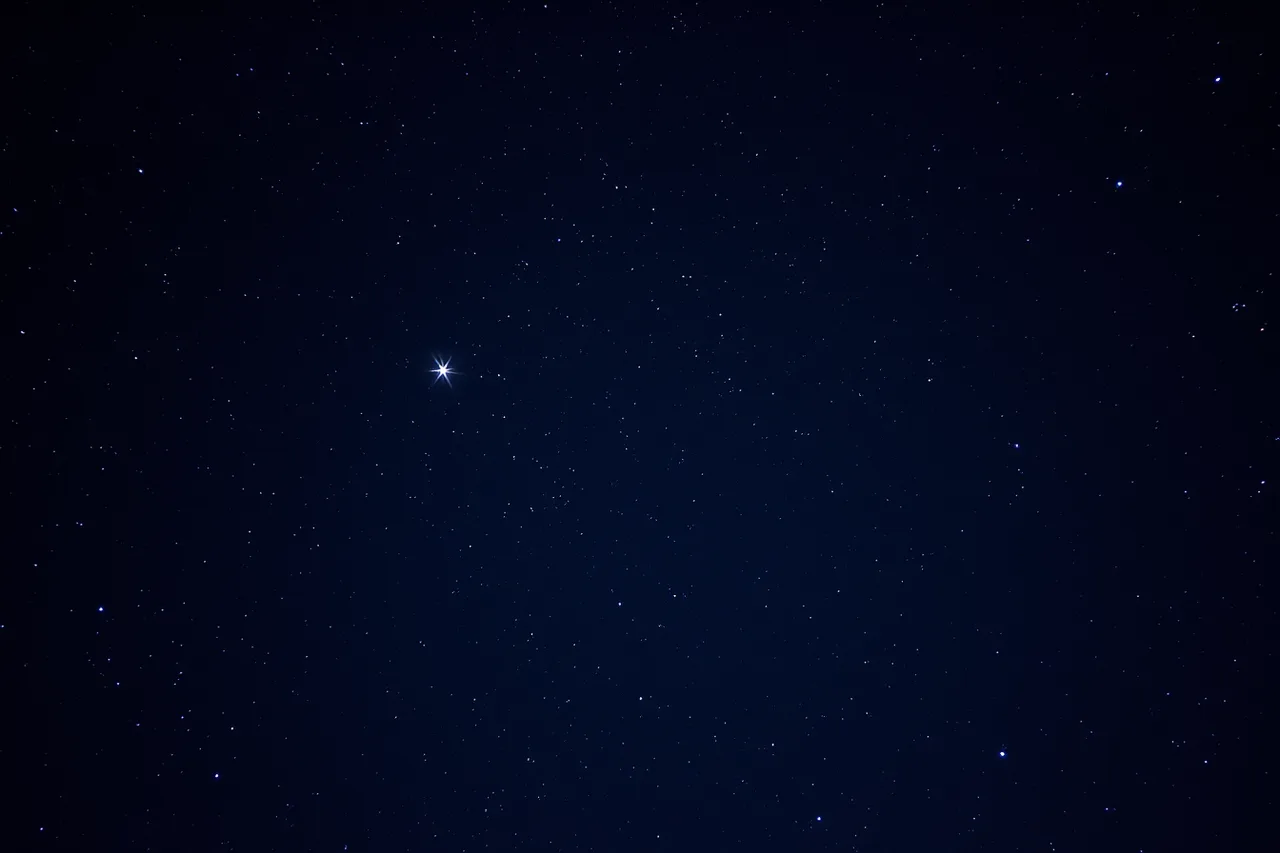
A guide should teach a findable pattern, not just point at objects. NASA's piece on Vega notes that Vega is the brightest star in Lyra and one of three corners of the Summer Triangle.
Where a guide genuinely cannot help
Some targets are not deliverable by anyone. Aurora is the clearest case, and honest operators say so in advance.
Off the Map Travel and Natural Habitat Adventures sell northern lights itineraries. Neither can promise a display, because solar activity and cloud cover decide.
NASA's guide to finding and photographing auroras makes a related point experienced guides pass on. Modern camera sensors can record auroras too faint to see clearly with the naked eye.
That is why a phone screen sometimes shows color where your eyes see only a gray glow.
A guide who explains that beforehand is managing expectations properly. One who promises curtains of green light is selling something they do not control, and the marketing photographs on their page were almost certainly made with long exposures that no eye can match.
Where to look
Start with the park's own calendar, then any nearby astronomy club, and only then look at commercial operators in the area.
Dark Sky Project, Jasper Planetarium, Kielder Observatory, Cherry Springs State Park, and Grand Canyon Star Party are five starting points with public schedules.
The routes are set out in how to find local guides, and the trips these observations are drawn from are described in dark sky trip case studies.