Features
How Arizona light pollution laws affect stargazing near Flagstaff and Tucson
Arizona light pollution laws shape dark-sky parks near Flagstaff and Tucson, from shielding and curfew rules to trespassing limits on private land at night.
What to take away
- Dark-sky parks near Flagstaff and Tucson sit inside some of the strictest outdoor lighting rules in the United States.
- Flagstaff has regulated outdoor lighting since the late 1950s and holds an International Dark Sky Places city designation.
- Tucson and Pima County share the joint Tucson/Pima County Outdoor Lighting Code, adopted in 1972 and built around shielding, lumen caps and a night curfew.
- Shielding, lumen limits and curfews are the three levers the ordinances actually pull.
- Arizona trespass law, A.R.S. §§ 13-1502 to 13-1504, governs where you can set up a telescope, and most private land needs permission.
- State trust land usually needs a recreation permit from the Arizona State Land Department.
- Read the ordinance that covers your exact viewing spot before you drive out.
Why Arizona light pollution laws matter to dark-sky parks
A dark sky is not an accident in Arizona. It is a local policy choice, written into city and county codes and enforced by inspectors. The National Park Service treats night skies as a natural resource, on par with clean air and water (Night Skies as a Natural Resource).
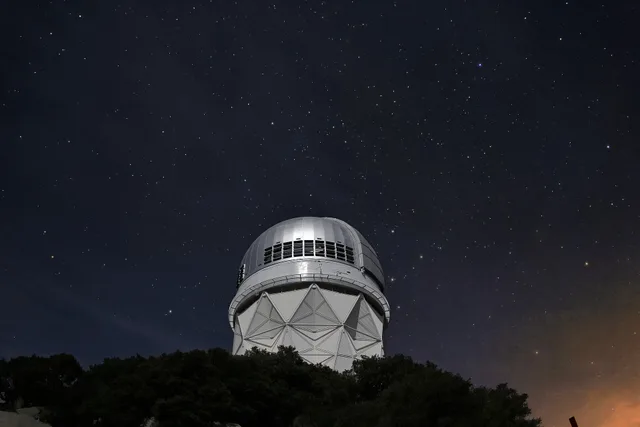
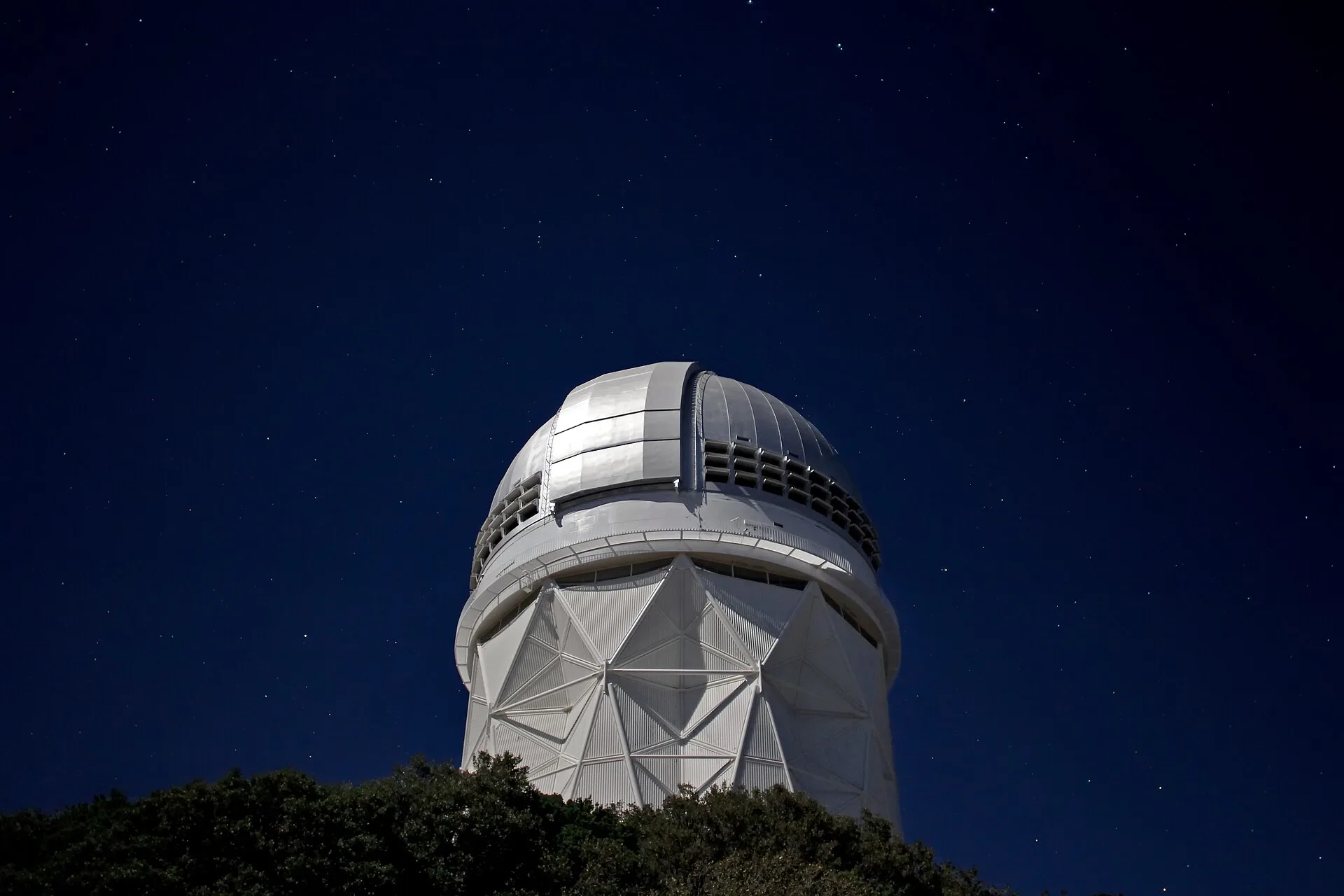
That framing matters to a stargazer because it explains why the darkness holds. Arizona's observatories, including Lowell Observatory in Flagstaff and Kitt Peak southwest of Tucson, depend on dark skies for research. Their presence pushed cities to write lighting rules decades before dark sky tourism became popular.
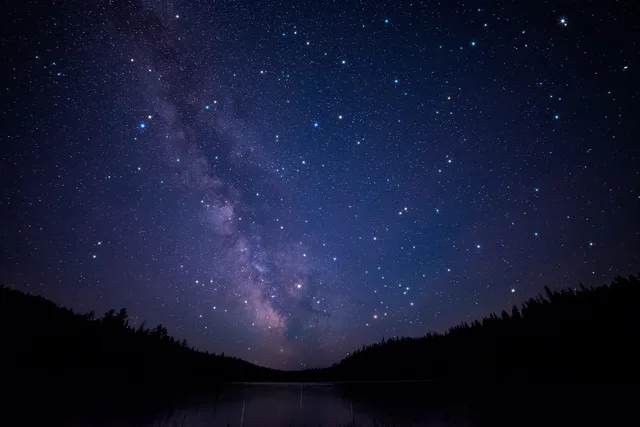
The payoff for visitors is measurable on a light pollution map: the corridor between Flagstaff and the Grand Canyon stays unusually dark for a populated region. Most of the state's dark-sky parks sit within or next to a jurisdiction with a lighting ordinance.
The National Park Service coordinates with land managers, tribes and observatories to keep those skies dark, and those partnerships often feed directly into local policy (NPS Night Sky Partnerships).
Flagstaff's outdoor lighting ordinance and the IDA city designation behind it
Flagstaff calls itself the world's first International Dark Sky City. The designation came from the International Dark-Sky Association, now DarkSky International, and it recognized a lighting code that predates the modern dark sky movement.
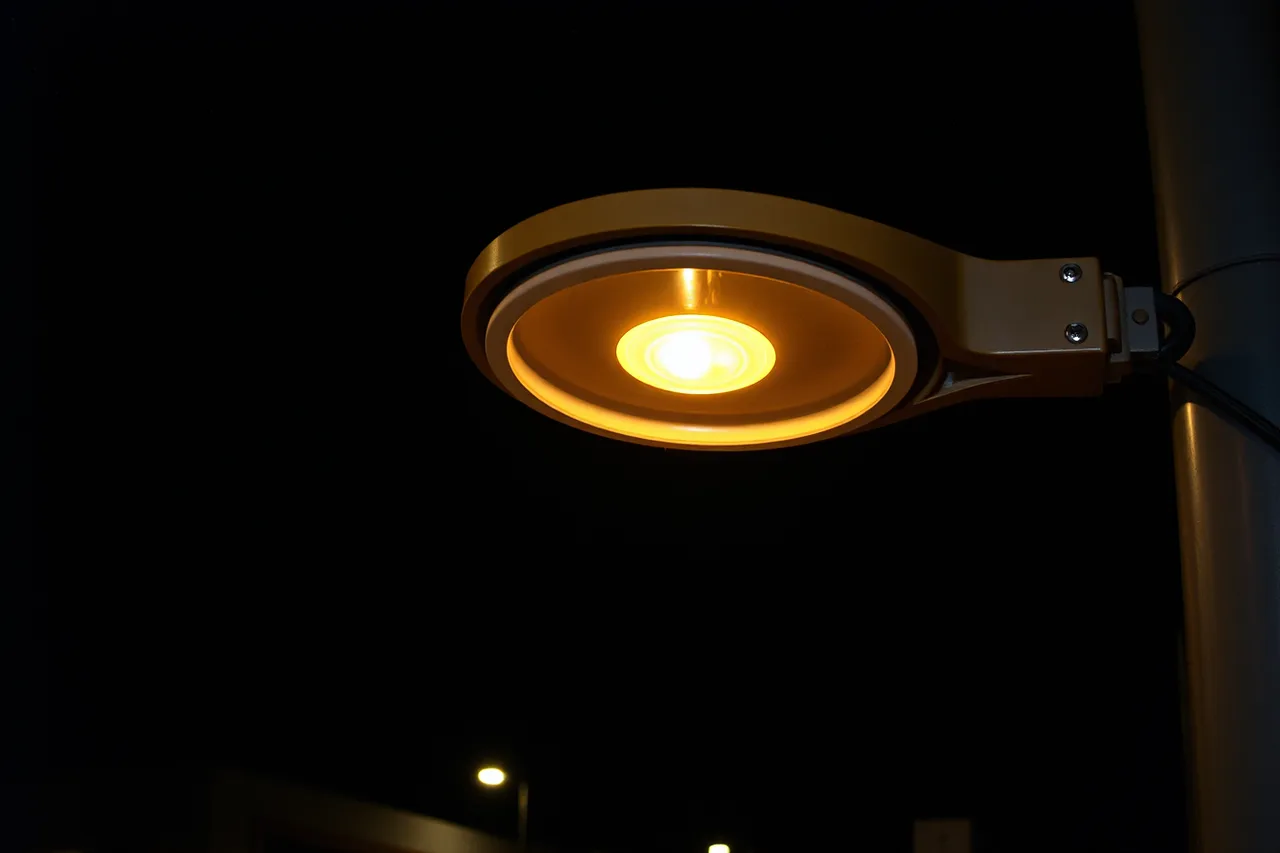
The Flagstaff outdoor lighting ordinance dates to 1958, when the city restricted searchlights and other upward light that interfered with Lowell Observatory. Those rules are now part of the Flagstaff City Code, and they have been tightened repeatedly since, covering shielding, color temperature and total light output for new construction.
Enforcement is real. New commercial lighting needs a permit, and inspectors can require retrofits when fixtures spill light upward. Residential rules are looser but still push full cutoff fixtures and warm color temperatures.
The result is a city of roughly 75,000 people with a night sky that surprises first-time visitors. You can see the Milky Way from parts of town on a clear, moonless night.
The IDA city designation is not permanent. It is reviewed, and a city can lose it if lighting rules weaken, which gives local advocates a strong hand when codes come up for revision.
North of Flagstaff, the closest certified International Dark Sky Parks include Sunset Crater Volcano and Wupatki national monuments and Grand Canyon National Park. They sit outside the city code, but the dark corridor between Flagstaff and the Grand Canyon is what the ordinance helps protect.
How Flagstaff and Tucson's lighting codes compare
Tucson and Pima County share one of the oldest outdoor lighting codes in the country, the joint Tucson/Pima County Outdoor Lighting Code, adopted in 1972 and revised many times since. The rules cover the city and unincorporated county together, which matters because Kitt Peak National Observatory sits outside city limits but inside the county's jurisdiction.
The Tucson dark sky ordinance sets limits by zone. Areas closest to observatories face the tightest caps on light output, and the rules relax as you move toward the urban core.
One quirk: the code regulates total lumens per acre rather than only fixture design, so a large parking lot has to spread its light carefully instead of blasting it from a few tall poles.
Both Flagstaff and Tucson rely on the same basic toolkit, but Tucson's code is more granular about geography and Flagstaff's is more focused on fixture shielding and color. If you are planning a viewing night, the practical difference is small: both cities keep their skies dark enough for naked-eye astronomy.
Near Tucson, Oracle State Park and Kartchner Caverns State Park are certified International Dark Sky Parks, and Chiricahua National Monument and Saguaro National Park are known for dark skies and host night sky programs of their own. Those sites sit outside the city, but the lighting code that covers Pima County is what keeps the sky over the Tucson basin usable for naked-eye observing.
What the ordinances actually control: shielding, curfew, lumens
Three provisions do most of the work in every Arizona lighting code. Learn them and you can read any ordinance in the state.
Shielding. A fully shielded fixture emits no light above the horizontal plane. This is the single most common requirement, and it is why Arizona streetlights look flat-topped rather than globe-shaped.
Curfew. Some commercial lighting must be turned off or reduced after a set hour, often 11 p.m. or midnight. Curfews target signs, car lots and sports fields, not residential porch lights.
Lumens. Codes cap light output per fixture or per acre. Caps are tighter near observatories and looser downtown.
What the ordinances control
Flagstaff
- First adopted
- 1958
- Core tool
- Shielding and color temperature
- Curfew
- Applies to some commercial lighting
- Zone system
- Citywide with observatory focus
- Enforcement
- Permit review and complaint response
Tucson and Pima County
- First adopted
- 1972
- Core tool
- Shielding plus lumens per acre
- Curfew
- Applies to some commercial lighting
- Zone system
- Graduated zones by distance from observatories
- Enforcement
- Permit review and complaint response
Beyond the table, the two codes differ in emphasis more than in effect. Flagstaff leans on shielding, warm color temperature, caps on total light output for new construction, and enforcement through lighting permits and retrofit requirements. The Tucson and Pima County code works by geography: the tightest lumen caps fall in the zones closest to Kitt Peak and the other observatories, and the limits relax toward the urban core. Both codes put late-night curfews on commercial lighting such as signs, car lots and sports fields.
The National Park Service publishes practical guidance for homeowners and communities that mirrors what these codes require (Protecting the Night Sky at Home and in Your Community). It is a useful primer before you read a full ordinance.
Trespassing rules and night access to private land
Arizona trespass law is the part most stargazers get wrong. Darkness does not create a right of access.
Arizona recognizes criminal trespass in three degrees, set out in A.R.S. §§ 13-1502, 13-1503 and 13-1504. Entering private land without permission is a misdemeanor at minimum, and the charge becomes more serious if the land is fenced, posted or agricultural.
Arizona is a fence-out state for livestock, which means rural landowners are not always required to fence their property. Absence of a fence is not permission to enter.
- Check whether the parcel is private, state trust land, tribal land or federal land.
- Look for posted signs, gates and painted boundary markers.
- Get written permission from the landowner if the site is private.
- Check whether the area has a curfew or closes at night.
- Confirm your vehicle is parked legally and not blocking a gate.
State trust land is a common trap. It looks open and empty, but overnight use generally requires a recreation permit from the Arizona State Land Department, and camping is restricted.
Tribal land is sovereign. You need permission from the tribe, not just the individual landowner, and rules vary by nation.
Federal land is the simplest case. Most BLM and U.S. Forest Service land is open for dispersed night use, though developed campgrounds and trailheads may have posted hours.
If you are booking a guided session instead of going alone, ask whether access and any state trust land permit are included — Arizona stargazing tours differ in what they cover.
How to read a local ordinance before you plan a night out
You do not need to memorize a code. You need to answer a few questions about your specific spot.
- Identify the jurisdiction. City limits, county land and federal land each follow different rules.
- Find the lighting chapter. Search the municipal code site for "outdoor lighting" or "dark sky"; in Flagstaff that is the Flagstaff City Code, and around Tucson it is the joint Tucson/Pima County Outdoor Lighting Code.
- Check the zone map if one exists. Observatory proximity usually means stricter limits.
- Look for curfew language. It tells you when commercial lights go dark, which affects nearby viewing.
- Check land status and access rules separately from lighting rules. They are different questions.
You want to view from a dirt pullout north of Tucson, near the Catalina foothills. The pullout is in unincorporated Pima County, so the county lighting code applies to nearby development, not to you. The land itself is likely private or state trust, so you need to confirm ownership before you park.
If it is state trust land, you need a recreation permit from the Arizona State Land Department for anything beyond casual day use.
If you want a site that removes the guesswork, compare options with a known darkness rating, such as Bortle 1 skies within a reasonable drive.
What other Arizona communities have adopted
Flagstaff and Tucson are the flagships, but they are not alone.
Sedona adopted outdoor lighting rules in the 1990s and holds a Dark Sky Community designation. Its code is strict enough that new streetlights must meet full cutoff standards.
Cottonwood, Camp Verde and the Village of Oak Creek have adopted or considered similar rules, driven partly by the growing astrotourism economy around Sedona and the Verde Valley.
Oracle, north of Tucson, sits near several observatories and has lighting provisions tied to the county code.
Kartchner Caverns State Park and several Arizona state parks run night sky programs, and park staff often coordinate with nearby towns on lighting.
The National Park Service's Night Sky Program provides context for how these designations fit into a broader national effort (National Park Service Night Sky Program). Arizona is one of the few states where so many jurisdictions have adopted rules voluntarily.
If you are comparing regions, Colorado dark sky parks offer a useful contrast: Colorado leans on federal land designations, while the darkness around Flagstaff and Tucson rests on city and county lighting codes.
For travelers building a longer trip, it helps to sort real night sky destinations from marketing claims before committing to a route, and to check whether a site actually sits under one of these lighting codes.