Costs
Evidence checklist for stargazing trip costs: spending that rarely pays
Build a stargazing budget from free public information and park expertise first, then add only the lines that buy more hours under a dark sky.
Published prices for planning stargazing trips go stale fast. The shape of the bill does not. Two things decide your total: how far you live from a dark sky, and whether you will sleep outdoors.
Everything below is a typical range, not a quote. Check the live figure on the managing agency page for your dates before you book.
What to take away
- Ranger programs, club star parties and NASA's monthly skywatching series cost nothing and answer most first timer questions.
- Fuel and beds drive the total. A developed park campground typically runs $15 to $35 a night. A motel room typically runs $110 to $200.
- A two night trip to a named park lands near $180 lean, $290 standard, and $700 with a motel plus a paid tour.
- Camping instead of a motel typically saves $100 to $180 a night, more than every other saving combined.
- Spending that buys comfort is fine. Spending that buys neither comfort nor dark sky hours is the leak.
The free layer covers more than people expect
NASA's What's Up is a monthly skywatching series. It lists what is visible in the coming month at no cost and no subscription.
Expert access is often free too. The Park Service lists several observatories inside park units, among them one at Chaco Culture National Historical Park. The Dusty Star Observatory at Glacier opened in 2019 and shares its 20 inch telescope with visitors.
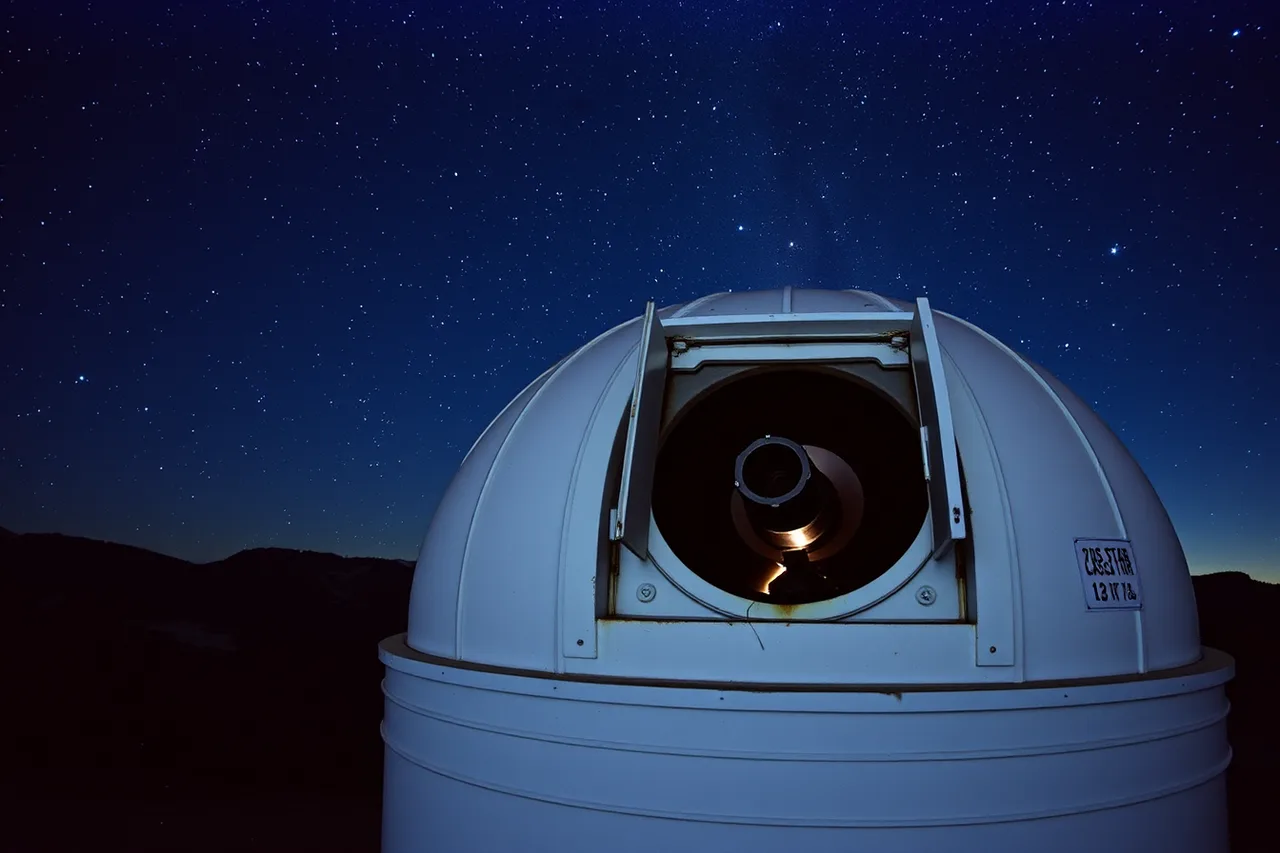
Sessions at these facilities are usually the cheapest expert access anywhere. How a free night compares with a paid guide is set out in what a guided night is worth.
Build the budget in three tiers
The tiers are an order of operations, not a loyalty test. Free first, scaling second, optional last.
What it buys
- Free
- Information, ranger talks, club star parties
- Scaling
- Fuel, beds, food, extra nights
- Optional
- Tours, telescopes, cameras
Typical spend
- Free
- $0 in fees
- Scaling
- Most of the total
- Optional
- $50 to $400
Decision rule
- Free
- Take it first
- Scaling
- Buy what adds dark sky hours
- Optional
- Only after several nights out
Three budget tiers for stargazing
Free
- What it buys
- Info, ranger talks, club parties
- Typical decision
- Always take it
- Common mistake
- Skipping it
Scaling
- What it buys
- Fuel, lodging, food, extra nights
- Typical decision
- Controls most of the total
- Common mistake
- Underestimating it
Optional
- What it buys
- Tours, telescopes, cameras
- Typical decision
- Only after several nights out
- Common mistake
- Paying before free tier
Most disappointing trips pay optional tier prices while skipping the free tier. Order matters more than the total.
Example: two nights at Big Bend
Big Bend National Park allows casual stargazing with no permit and no fee beyond entry, which makes it a clean test case.
Drive 500 miles each way, so about 1,000 miles round trip. At a typical 28 miles per gallon and a typical $3.25 per gallon, fuel runs near $116. Vehicle entry for seven days sits in a typical $25 to $35 range.
Two nights at Big Bend
Lean
- Fuel, 1,000 miles
- $116
- Vehicle entry, 7 days
- $30
- Two nights
- $0 to $40
- Food
- $30
- Paid tour or telescope
- $0
- Typical total
- about $180
Standard
- Fuel, 1,000 miles
- $116
- Vehicle entry, 7 days
- $30
- Two nights
- $40 to $70
- Food
- $70
- Paid tour or telescope
- $0
- Typical total
- about $290
Comfort
- Fuel, 1,000 miles
- $116
- Vehicle entry, 7 days
- $30
- Two nights
- $240 to $400
- Food
- $150
- Paid tour or telescope
- $50 to $150
- Typical total
- about $700
Lean camps on surrounding public land and eats from a cooler. Standard uses a developed park campground. Comfort sleeps in a motel in Terlingua or Study Butte and drives back in for the night.
The scaling tier decides the rest
Sleeping outdoors instead of indoors typically saves $100 to $180 a night in this region. That single line usually beats every other saving combined.
Typical bed options:
- Developed park campground
- $15 to $35 a night.
- Dispersed camping on public land
- $0.
- Motel near the gateway town
- $110 to $200 a night.
- Cabin or lodge
- $150 to $300 a night.
- Hostel bunk near a park town
- $40 to $80 a night.
Distance sets the fuel line as well. A Bortle 4 site two hours away usually beats a Bortle 1 site eight hours away once the second night is counted. Two nights also cut the fuel cost per dark hour in half.
Nights on the ground set your chance of one clear sky, so a second night often earns more than an upgrade does. Where a dark sky sits close to a city, fuel and beds shrink together, and a small budget goes furthest.
One test before any purchase: does this buy more hours under a dark sky, or more comfort during hours I already have? Both are legitimate. Only the first raises your odds of a clear night.
Costs that rarely pay
- A first telescope bought before a first night out. Club star parties show you the sky for nothing, and entry level instruments typically cost several hundred dollars.
- A famous Bortle 1 site when a Bortle 4 site sits two hours closer. The detour typically adds $100 or more in fuel plus a motel night.
- A single night trip. One night gives weather one chance. A second night typically costs $20 to $70 and gives it another.
- Premium lodging far from the observing site. You pay $150 to $300 more and then drive away from the dark.
- A paid tour booked before you read the park schedule. Ranger programs cover similar ground at no charge.
Where to check prices for your dates
Fees, reservation windows and lodging rates move with the season. The managing agency page is the only figure still true when you travel. Check it when you plan, then again two weeks out.
Common questions
What does the cheapest version cost?
Do I need to pay for a guide?
Where should extra money go first?
Why give ranges instead of exact prices?
In this guide
- Stargazing trip costs: ranges and planning factorsStargazing trip costs vary with lodging, tickets, fuel and night access. See broad ranges and a two-night example, before park entrance fees and food.
- Handling stargazing trip costs companies step by step: the three tiersFree, cheap and paid guiding compared: what each tier actually delivers on a stargazing night, and the three situations where paying a guide is clearly worth it.
- Judging stargazing trip costs accessible: where a limited budget should goAccessible night skies without a large budget: urban dark sky sites, seated observing, free naked eye skills, and the questions that stop money being wasted.
- Stargazing trip costs itinerary: a two-night breakdownThis stargazing trip costs itinerary breaks down a two-night camping budget, including campsite nights, fuel and groceries, and explains why night two matters.
- A pattern shows up across stargazing trip costs tips: the clothing gapThe costs that surprise people on a first stargazing trip: gear bought too early, the second night skipped, cold weather clothing, and the price of being unprepared.