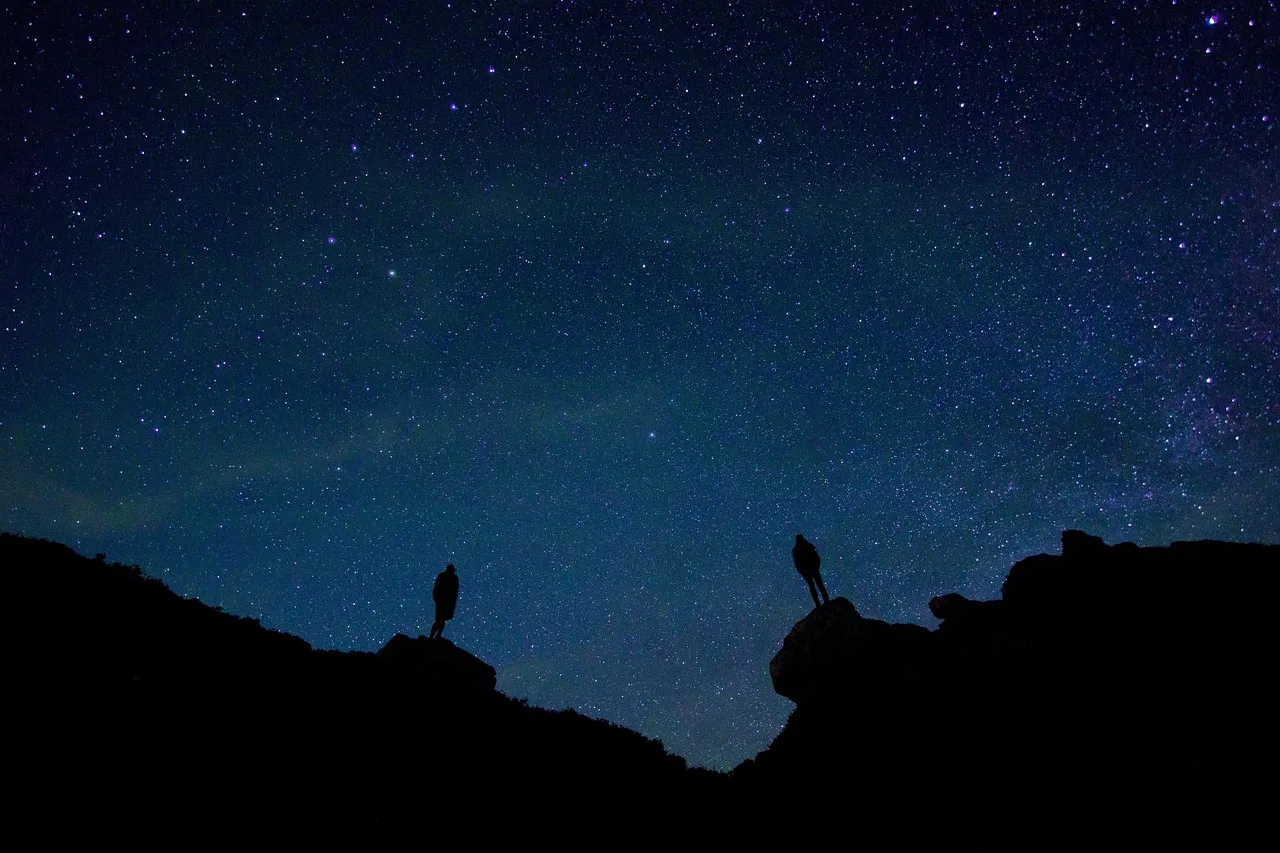
Maintenance
Part of Evidence checklist for stargazing trip costs: spending that rarely pays
A pattern shows up across stargazing trip costs tips: the clothing gap
The costs that surprise people on a first stargazing trip: gear bought too early, the second night skipped, cold weather clothing, and the price of being unprepared.
First stargazing trips often cost much more or less than expected. What you bought beforehand decides the direction almost entirely.
The pattern is consistent: money goes to equipment a beginner cannot use yet. An extra evening and warmer clothes, the two things that would have improved the night, get left out to save money.
What to take away
- Equipment bought before a first night out is the most common wasted spend. On trip one, the right budget for it is zero.
- Skipping the second night typically saves 100 to 180 dollars in lodging and risks the whole trip.
- Cold weather clothing is the purchase people regret not making. A full set typically runs 120 to 250 dollars.
- Fuel for a remote park loop is typically 40 to 80 dollars. Fill the tank before the last town.
- Being unprepared in a remote park has costs that are not measured in money.
Buying the telescope first
A telescope is the classic early purchase and the classic mistake. It arrives, it is heavier and fiddlier than expected, and it goes in a cupboard after one frustrating night. The order that works is to observe first with your eyes, then with borrowed binoculars, and only then to buy.
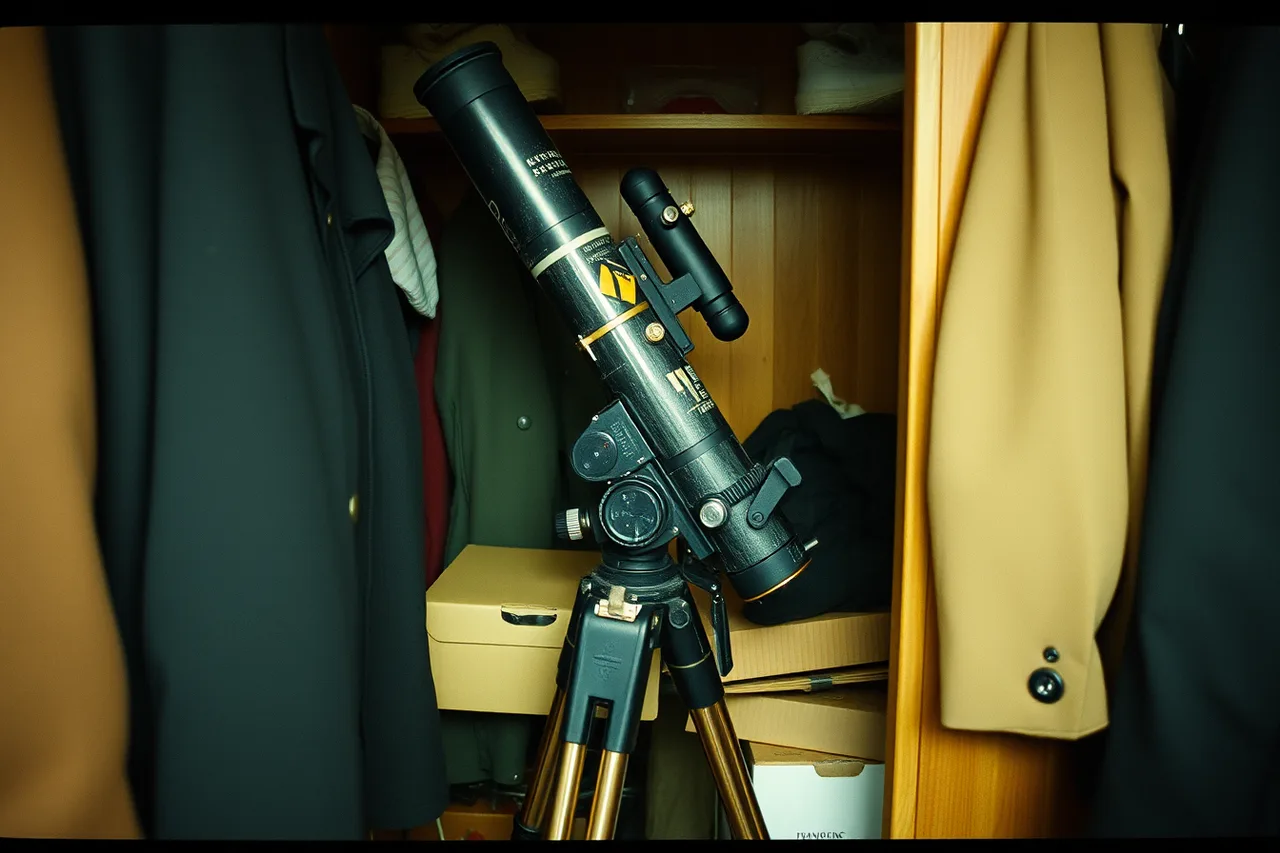
The same applies to cameras. NASA's lunar photography guide starts with what you already own. Try the free version of a technique before buying the equipment that would make it easier.
Saving money in the wrong place
Three false economies show up repeatedly:
- One night instead of two, which gives weather a single chance to end the trip.
- A cheaper bed an hour further out, which costs fuel and produces a dangerous drive.
- Skipping food and hot drinks, which shortens the night by an hour or more.
Each saves a small amount and cuts usable dark hours, the only thing the trip was buying. Before cutting a line from the budget, ask whether the cut removes minutes from under the sky. If it does, cut something else.
A two-night plan that cuts everything except the sky time is worked through in our itinerary built to a tight budget.
The clothing gap
Nobody budgets for warmth and everybody needs it. This is not a comfort issue.
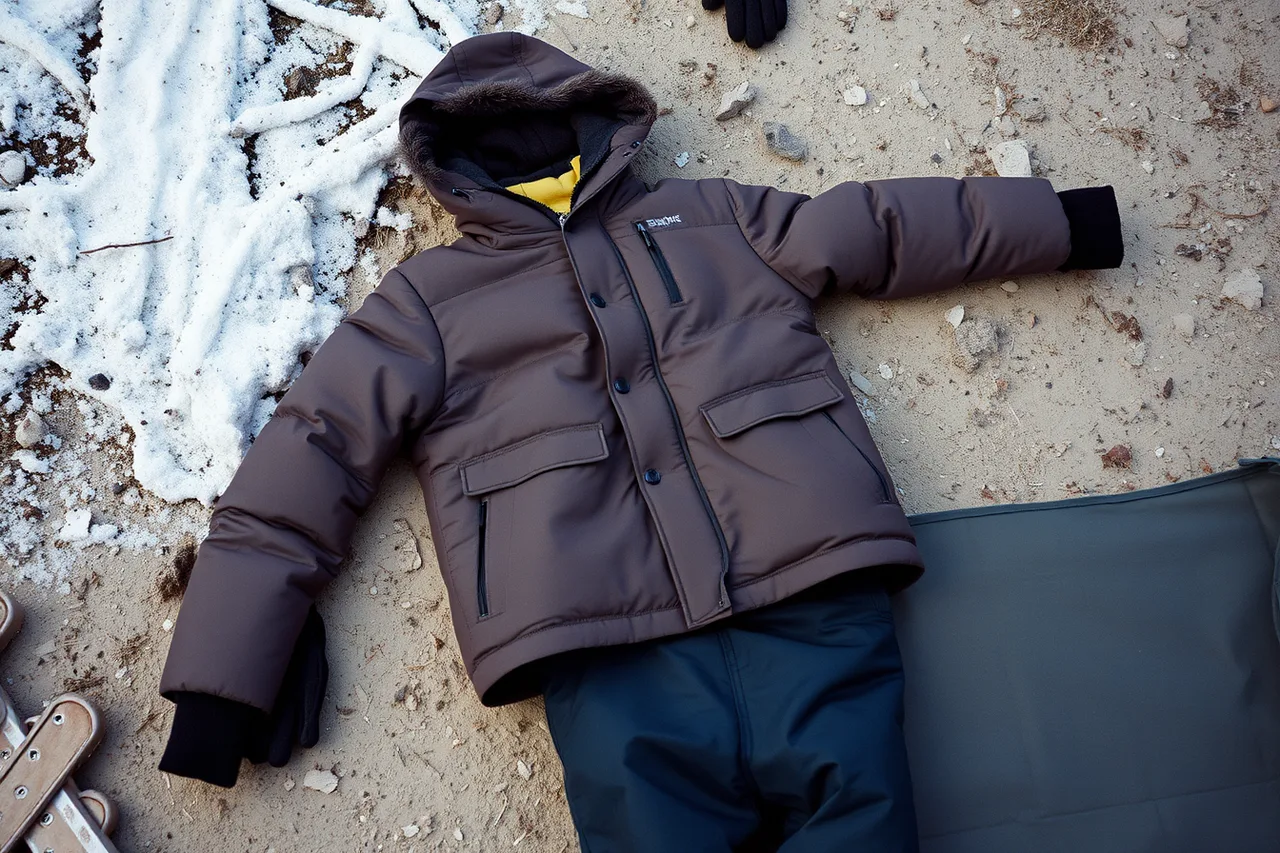
White Sands National Park states plainly on its safety page that people have died there from heat related illness, hypothermia, dehydration and getting lost. And it recommends carrying a flashlight and a first aid kit for outdoor excursions.
A place hot enough to cause heat illness by day can be cold enough to cause hypothermia at night, which is the trap a stargazer walks into.
Insulated layers, a hat, gloves, and something between you and the ground cost typically 120 to 250 dollars in total. They last for years.
Buy them at home, not in a gateway town, where the choice is narrow and the price is set by people who know you have no alternative. The full list, including the items people only forget once, is in what to pack for a night spent sitting still.
Costs that are not money
Fuel below half a tank in a park with no services. A phone with no signal and no downloaded map. Nobody at home who knows where you went. These are the expensive kinds of unpreparedness, and none of them appears in a budget. Fixing them costs nothing but attention.
The structure that keeps all of this in proportion is in our stargazing trip price guide, and the non financial version of the same list is in what first-time visitors miss.