Rules
Part of Evidence checklist for stargazing trip costs: spending that rarely pays
Judging stargazing trip costs accessible: where a limited budget should go
Accessible night skies without a large budget: urban dark sky sites, seated observing, free naked eye skills, and the questions that stop money being wasted.
Judging accessible stargazing trip costs comes down to where a limited budget should go: a closer bed, a shorter drive, sometimes a private vehicle. Night travel adds its own costs, and the activity itself is free. Several of the cheapest options are also the most accessible ones.
Most of the money lands in four buckets: park entry, fuel, a bed and food. Saguaro National Park charges $25 per vehicle for a seven-day pass. Great Basin National Park charges no entrance fee, and its 60-minute Lehman Caves tour typically costs $15 for adults and $8 for children.
What to take away
- Sites close to a city cut driving, which is both the largest cost and the largest barrier.
- Naked eye skywatching is free and needs no walking, so learn it before buying anything.
- Ask about surfaces, distances and seating before you pay a deposit anywhere.
- Spend on proximity and warmth first, and on optics much later.
- Entry runs from nothing at Great Basin to $30 per vehicle at Death Valley, and the $80 America the Beautiful annual pass covers both.
Close sites cost less and demand less
The assumption that a dark sky means a long drive is only partly true. Some protected sites sit near cities, so people who cannot travel far can still see a decent sky.
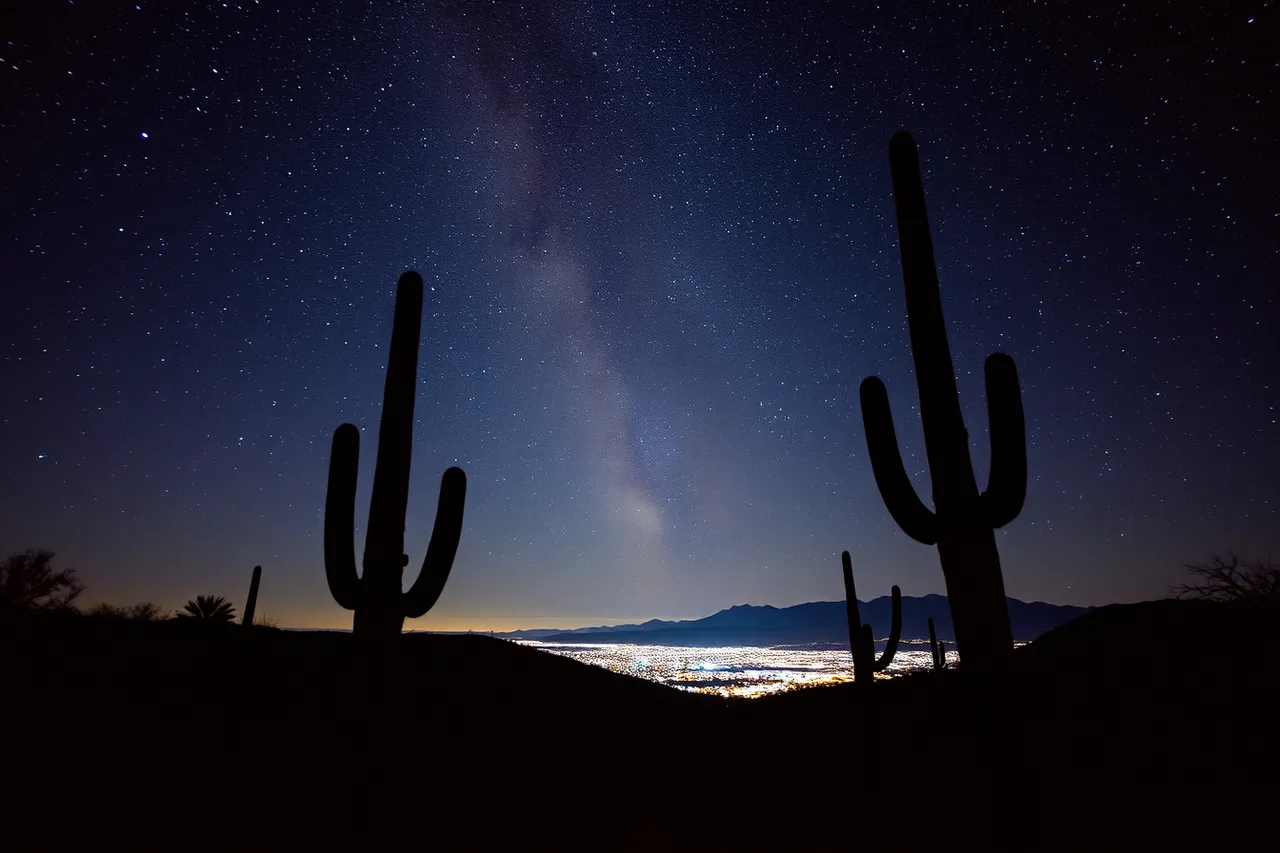
Saguaro National Park describes on its dark skies page how it was certified in 2023 as an Urban Night Sky Place. The page notes it was the ninth certification of its kind in the world and the second in the national park system, with districts on either side of Tucson.
Entry costs $25 per vehicle for seven days, or $15 for a visitor arriving on foot or by bike. Tucson motels typically charge $70 to $120 a night, and that is the bill a local site removes.
A site like that changes the budget shape entirely. No overnight stay, a short drive, no second night as weather insurance, and the option to try again next week if it clouds over. Check the access rules before assuming, since a road that shuts at nine shapes a night more than the distance does.
The free skill that replaces equipment
Learning the sky costs nothing and improves every future night. NASA's explanation of how to find the North Star is a good example. Polaris is not the brightest star in the sky, but it is usually easy to spot even from a city.
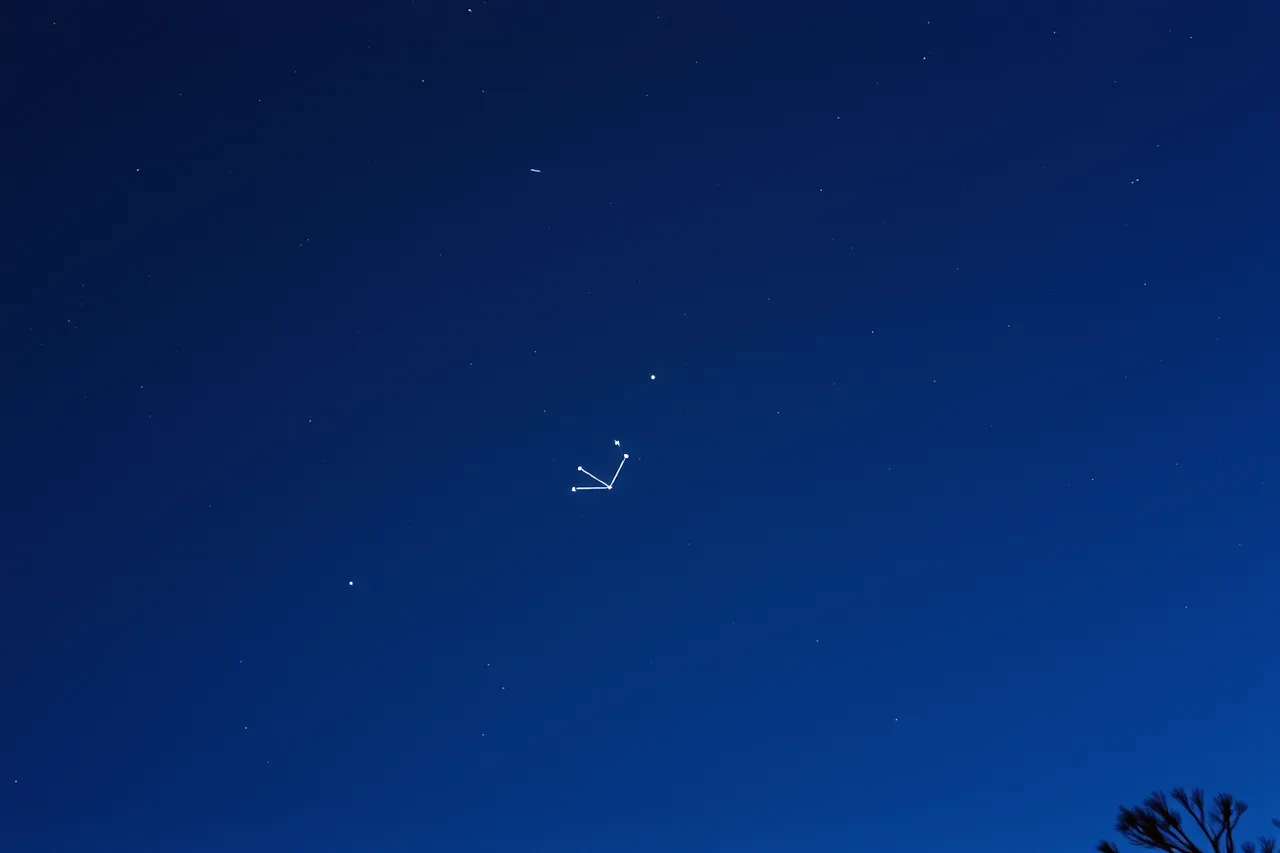
It sits toward true north, not magnetic north, and skills of that kind work from a parking area, a balcony or a wheelchair, with no purchase.
Start there. People who learn a few constellations first tend to buy better equipment later, if they buy any.
There is a second saving hidden here. Find four or five patterns on your own, and you skip a guide for the first night. Guided dark sky tours with transport typically cost $50 to $150 per person. Ranger-led programs in national parks are usually free.
A booked session must happen on its date. A skill you already have works on whichever night is clear.
Where a limited budget should go
Distance is the first line of the budget. Cherry Springs State Park in Pennsylvania charges nothing to enter, and camping there typically runs $16 to $35 a night by season. Death Valley National Park charges $30 per vehicle for seven days.
Great Basin National Park charges no entry fee, so fuel becomes the main cost. Admission to Griffith Observatory in Los Angeles is free, and a planetarium show runs $10 for adults, $7 for students and seniors, $5 for children.
Fuel is the remaining variable. A 100-mile round trip in a car that gets 30 mpg typically costs $10 to $15 at recent national average prices.
| Priority | What it costs, or saves |
|---|---|
| Proximity to the site | Cuts driving, fatigue and cost at once; a local site removes a $70 to $120 motel night |
| Warm layers and a blanket | Sitting still is much colder than walking; layers you already own cost nothing |
| A comfortable chair | Determines how long you can stay out; a folding camp chair runs $20 to $40 |
| Binoculars | Only after several nights out; 7x50 porro models start near $40 |
| A telescope | Last, if ever; entry models start near $150 |
Notice what is missing. A telescope is at the bottom of every sensible list, and for anyone observing while seated, binoculars are usually the better instrument anyway. The case for buying binoculars before anything that needs a tripod is set out alongside the rest of the packing list.
Celestron's Cometron 7x50 typically sells for $40 to $60. Nikon's Aculon A211 10x50 runs near $100, and a used pair from a local astronomy club costs less.
Questions that protect the budget
Before paying a deposit, ask how far the viewing spot is from parking and what the surface is. Ask whether a chair can be positioned with a clear view, whether a restroom is open at night, and what happens if weather cancels the night.
A written answer with a date is worth having. A refund policy matters more on a $150 tour than on a free ranger walk. The broader questions are in accessible dark sky travel, and the budget structure is in our stargazing trip price guide.