Guides
Where to See Northern Lights in a Canadian Dark Sky Preserve
Northern lights dark sky preserve Canada: how Yukon and NWT options compare on access, aurora season, and what a designation actually guarantees.
What to take away
- Aurora and dark sky are measured differently. A preserve designation limits artificial light on the ground and says nothing about whether the aurora will appear.
- Wood Buffalo National Park, on the Alberta and Northwest Territories boundary, is the northern preserve you can reach by road for most of the year.
- Yukon's darkness comes from distance rather than a designation. The Dempster Highway corridor near Tombstone is the practical base.
- Cloud ends more aurora trips than light pollution does, so plan a spare night.
Aurora viewing and dark sky protection are sold as one product and measured as two. That difference decides where you should go.
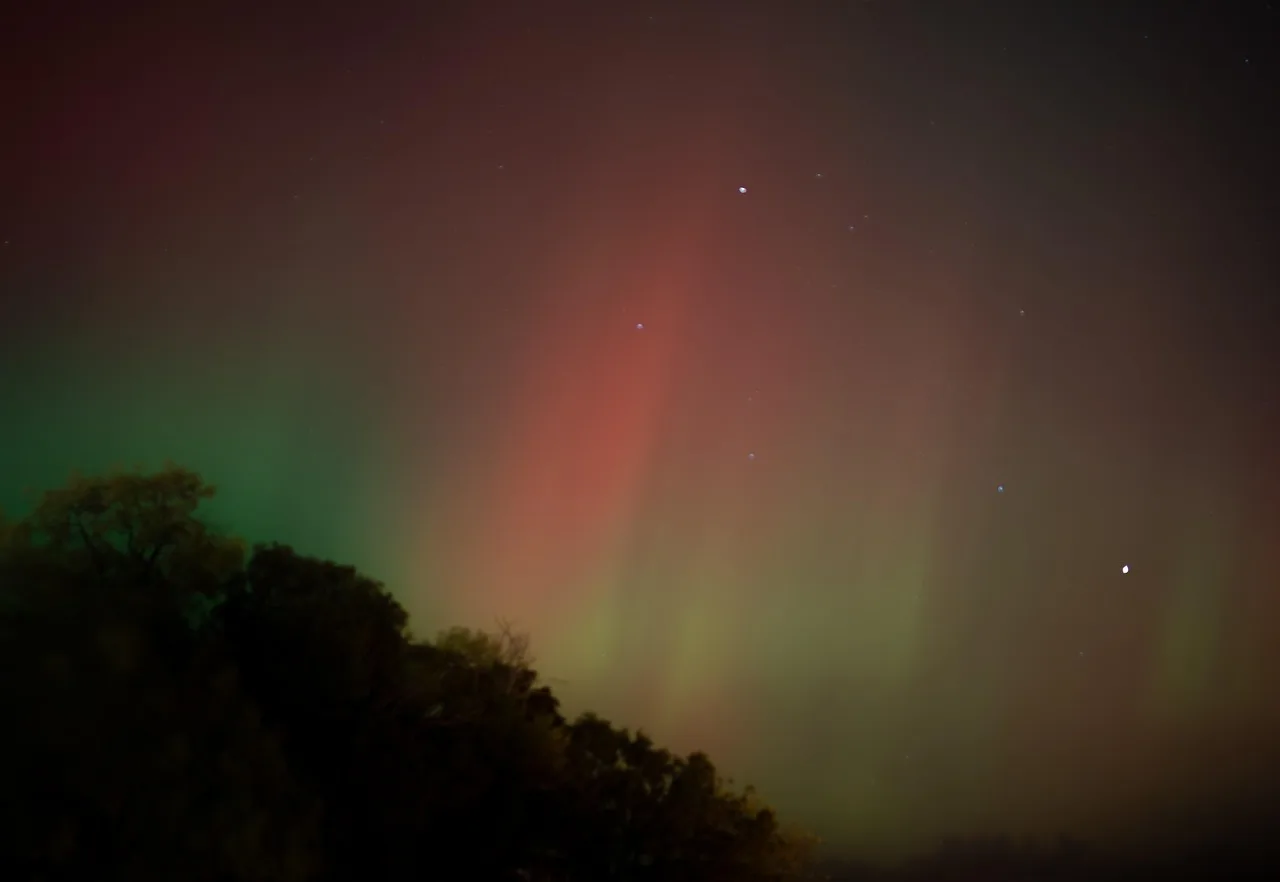
Aurora forms when charged solar particles strike the upper atmosphere. It appears as a ring around the magnetic pole rather than in one place, and most of northern Canada sits under that ring. Yellowknife and Whitehorse see the lights on ordinary nights. Toronto sees them only during a strong geomagnetic storm.
The auroral oval runs between roughly 60 and 65 degrees north, and both territories sit inside it. Pinning a trip to a single week is risky, and astronomy itinerary building time explains why late winter keeps winning.
The designation measures the ground
The Royal Astronomical Society of Canada designates dark sky preserves across the country, and Wood Buffalo National Park holds one. A designation is a commitment to limit outdoor lighting inside a boundary. It is not a weather forecast. Northern sites often qualify partly because few people live near them, which is a fact about population rather than about cloud.
Yukon shows the limit of that logic. The territory has dark road corridors and low population, but the northern entries in the preserve programme sit in the Northwest Territories and the prairie provinces. What Yukon offers is distance without a label attached.
The four places worth comparing
Reaching it
- Wood Buffalo National Park, NWT
- Air or road to Fort Smith, then park roads
- Aulavik National Park, Banks Island, NWT
- Charter to Sachs Harbour, then air or boat
- Tombstone Territorial Park, Yukon
- About 110 km north of Dawson City on the Dempster Highway
- Elk Island National Park, Alberta
- Roughly 45 minutes east of Edmonton
Aurora season
- Wood Buffalo National Park, NWT
- Late August to mid-April
- Aulavik National Park, Banks Island, NWT
- September to April, weather permitting
- Tombstone Territorial Park, Yukon
- Late August to mid-April
- Elk Island National Park, Alberta
- September to April, aurora only in strong storms
Overnight base
- Wood Buffalo National Park, NWT
- Fort Smith
- Aulavik National Park, Banks Island, NWT
- Sachs Harbour
- Tombstone Territorial Park, Yukon
- Dawson City
- Elk Island National Park, Alberta
- Edmonton
Designation
- Wood Buffalo National Park, NWT
- RASC dark sky preserve
- Aulavik National Park, Banks Island, NWT
- Parks Canada dark sky page
- Tombstone Territorial Park, Yukon
- Territorial park, no preserve designation
- Elk Island National Park, Alberta
- RASC dark sky preserve
Parks Canada keeps a dark sky page for Aulavik on Banks Island. That park has no road access and no facilities, so it belongs on this list as an extreme rather than a first choice.
Four Northern Aurora Bases
Wood Buffalo
- Reaching it
- Air/road to Fort Smith
- Aurora season
- Late Aug to mid-Apr
- Overnight base
- Fort Smith
- Designation
- RASC preserve
Aulavik
- Reaching it
- Charter to Sachs Harbour
- Aurora season
- Sep to Apr
- Overnight base
- Sachs Harbour
- Designation
- Parks Canada page
Tombstone
- Reaching it
- Dempster Highway drive
- Aurora season
- Late Aug to mid-Apr
- Overnight base
- Dawson City
- Designation
- No preserve label
Elk Island
- Reaching it
- 45 min east of Edmonton
- Aurora season
- Sep to Apr, storms only
- Overnight base
- Edmonton
- Designation
- RASC preserve
Where each one is the right answer
Wood Buffalo is right when you want a designation, a town with hotels and groceries, and road access for most of the year. Fort Smith is served by air from Edmonton or Yellowknife, but overland approaches are long.
Flying in for three nights means working back from the flight home, the sequence stargazing itinerary written backward sets out.
Aulavik is right only when isolation is the point and you can absorb charter logistics and several days of weather risk. Nothing in the park supplies shelter, fuel or food.
Tombstone is right when you are already driving the Dempster and want a Yukon base with a hotel bed in Dawson City, about two hours south. Dawson City is served from Whitehorse.
Elk Island is right for an Edmonton evening under dark sky. It is the wrong answer if aurora is the goal, because it sits south of the main oval.
A preserve tells you what the ground will do. The sky does its own thing.
What none of them can fix
Cloud is the shared limit no designation can touch. Geomagnetic forecasts are useful a day or two ahead and reliable only an hour or so out.
A seven-night trip beats a two-night trip for reasons unrelated to location. Adding a spare night is the cheapest correction, and stargazing travel mistakes cost traces how often the missing night is the whole story.
Cold is the second limit. January nights in the territories commonly fall below minus 25 Celsius, and phone and vehicle batteries behave differently there. Moonlight matters less. A full moon washes out faint aurora, but a bright display still reads through it.
Booking in the right order
- Choose the base town first, because lodging in Fort Smith, Dawson City or Yellowknife constrains the dates more tightly than flights do.
- Book winter lodging two to four months ahead for February and March, and earlier for anything charter-based.
- Buy a flexible return, or add a spare night on the ground.
- Arrange national park permits and, for remote parks, trip registration with Parks Canada.
For candidates outside the north, real night sky destinations sorts options by what they actually deliver.
Booking Order for Aurora Trips
- Choose the base town first
- Book winter lodging two to four months ahead
- Buy a flexible return or spare night
- Arrange park permits and trip registration