Guides
Part of Charting stargazing travel mistakes: the one that causes most injuries
A stargazing itinerary written backward from the usual mistakes
Two-day itinerary designed around the mistakes people make: a two-night plan written backwards from the usual failures, daylight arrival, no long hike.
This itinerary is built backwards. Instead of listing what to see, it starts from the ways two-night trips usually go wrong and designs each block to remove one of them. The result looks slower than a conventional plan and delivers more observing, because almost nothing in it is spent recovering from an avoidable problem.
What to take away
- Arrive with daylight, so night one is not spent learning the site.
- Keep the daytime deliberately light, because tired observers leave early.
- Rehearse the first target, so the darkest hour is not spent searching.
- Set a finish time before you start, and drive gently on the way back.
Day one
Mid afternoon: arrive. Get to the site with at least two hours of light. Walk it. Find the level ground, the clear horizon, the place where headlights will sweep, and where you will put the car.
Day One Arrival Sequence
- Mid afternoonArrive with two hours of light
- Late afternoonDrive the night route in daylight
- EveningEat before sunset
- First darkNo optics, adapt twenty minutes
Late afternoon: drive the night route. Do it once in daylight, at the speed you will use later, and note the turns you would miss in the dark.
Evening: eat before sunset. Cooking after dark costs an hour and puts white light in everyone's eyes.
First dark: no optics. Adapt for twenty minutes, learn the horizon, find two star patterns. Finish early. Night one exists to make night two efficient, so resist the temptation to unpack everything and stay out until three. Two nights is also the cheapest insurance available against cloud, for reasons set out in where stargazing budgets go wrong.
Day two
Morning: sleep. This is the block that gets deleted first and matters most. Two late nights on short sleep produce the dangerous drive home.
Day Two Energy Plan
- MorningSleep, protect the drive home
- AfternoonOne short walk, no summit
- Early eveningSet up in the light
- Full darkGo straight to rehearsed target
Afternoon: keep it small. One short walk, no summit, no long drive. Glacier National Park's safety advice is a reminder that timing matters in wildlife country: it recommends avoiding hiking very early in the morning, very late in the day, or after dark, and being careful in obvious feeding areas, as well as never leaving food or scented items unattended. An easy midday walk fits that guidance and leaves you fresh.
Early evening: set up in the light. Everything assembled, everything positioned, before you need a torch to do it.
Full dark: the rehearsed target. Go straight to the thing you practiced, then work outward.
Choosing what to point at
Use a month by month guide, not a same-night decision. NASA's July 2026 skywatching notes show free detail.
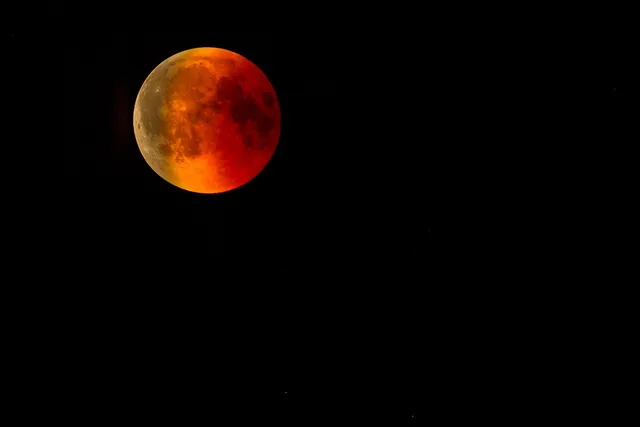
It lists a last quarter Moon July 7; a dawn alignment of the Moon, Mars, Saturn and Uranus July 11 and 12; and a new Moon July 14, the best dark sky window. Saturn's thin rings reward telescope users later in the month.
Pick two of those in advance, so the darkest hour is spent looking, not deciding. Write them on paper and on a phone. A cold phone can fail right when you need the list; a folded sheet in a jacket ignores temperature.
Choose targets a seated observer can reach comfortably, one of the accessibility decisions that quietly improve a night for everybody.
The end of the night
Stop at the agreed time even when it is going well. Pack in the order you will unload. Drive slowly, expect animals, and do not overtake anything. The equivalent plan without the failure focus is in our two-day dark sky itinerary, and the failures it is written against are listed in lessons from stargazing trips that went wrong.