Features
Part of Dark Sky Lodging: Five Outdoor Lighting Questions to Ask Before Booking
Dark Sky Lodging Field Etiquette: Ask Before You Shoot
Use this dark sky lodging field guide to scout a property, ask before setting up, photograph the Moon, and avoid disturbing other guests.
Shooting from your accommodation removes almost every logistical problem in night photography. Power is nearby, the car is not, you can warm up between frames, and if the sky closes you lose nothing. What it adds is a different constraint: other people are asleep or observing a few meters away, and the grounds belong to somebody else.
What to take away
- Scout the grounds in daylight and mark two compositions before dark.
- Ask permission for tripods, cables and any lighting before you set up.
- The Moon is the target that works from almost any property.
- Keep every light you own off, or red, once other guests are outside.
Scout in daylight, always
Walk the property before sunset. Find the darkest corner, the direction with the most open horizon, and a foreground worth including: a tree line, a fence, a building edge, a ridge. Note where the ground is level and where a tripod will sink.
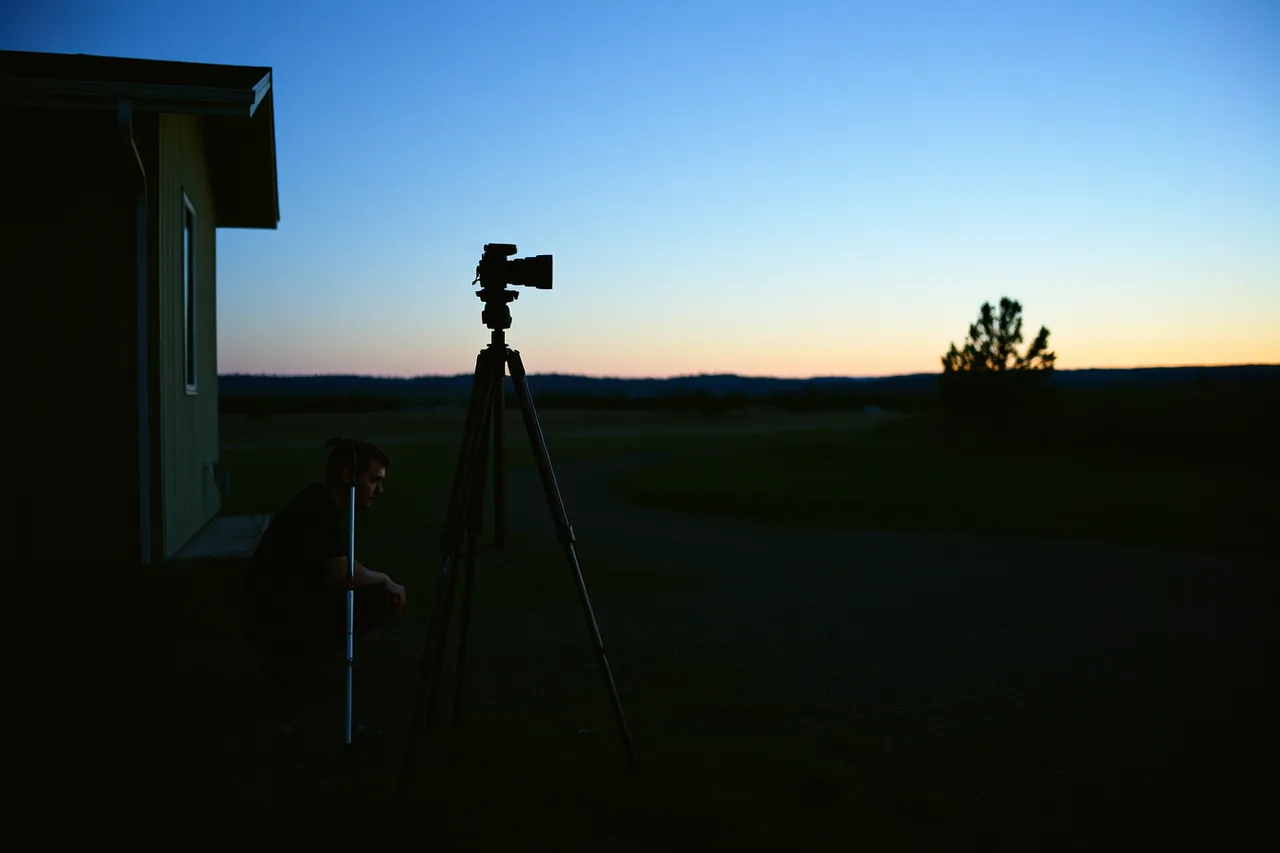
Mark two compositions rather than one. A property gives you a fixed set of angles, so a second option saves the night when a light comes on in the wrong window or a car parks in your foreground.
Picking a spot with an open horizon is covered in where to stay when the lodging is the observing site.
Ask first
Tripods on a deck, cables across a path and anything left out overnight all need a word with the owner. Ask whether you can leave equipment out, whether any lights can be switched off for a few hours, and whether guests are likely to be arriving late.
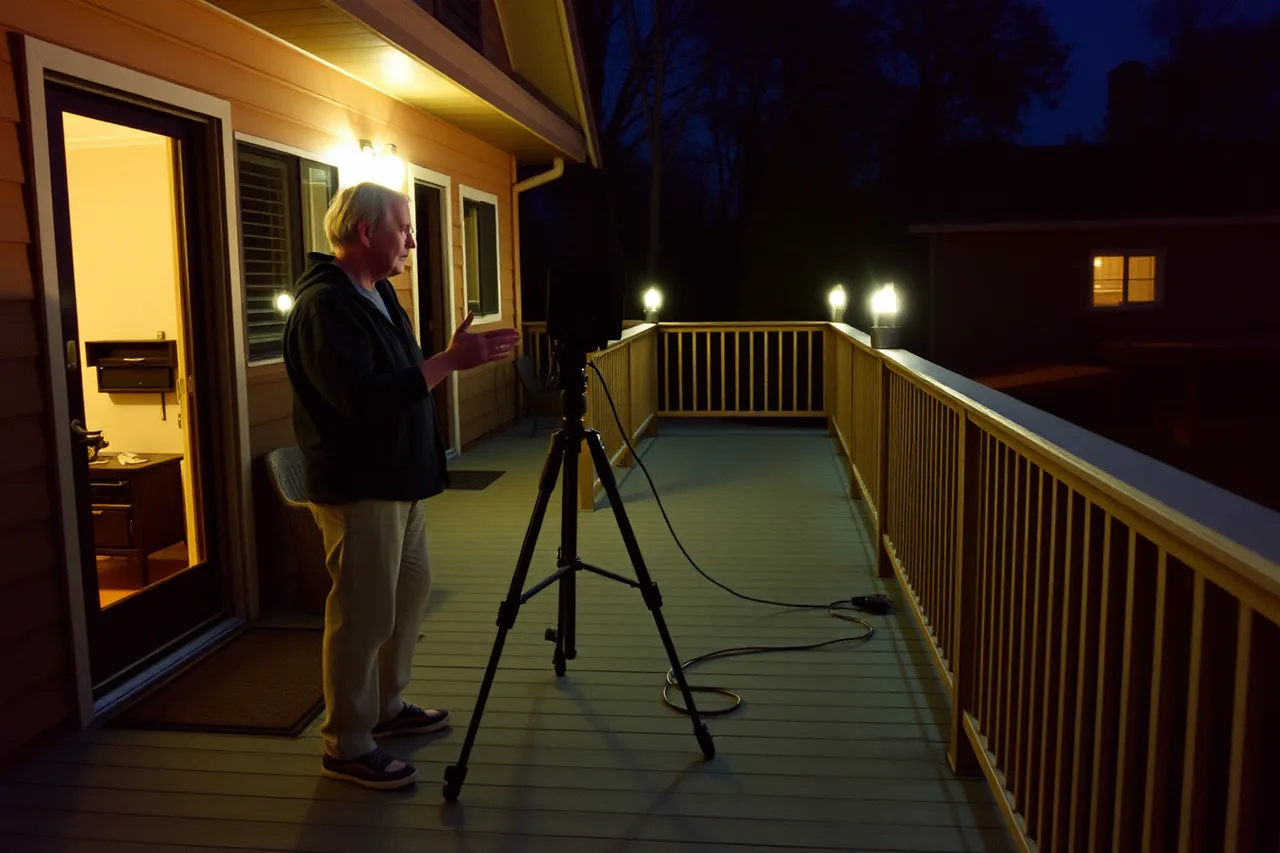
Those belong in the booking conversation rather than the arrival one, alongside the rest of what a dark sky property should be able to answer. Most operators are helpful about this, and several will turn off a light if asked, which no amount of editing can replace.
Culturally significant sites deserve equal care. The Park Service's page on night skies as a cultural resource describes how the night sky shaped beliefs, traditions and architecture, from celestially aligned ancestral Puebloan buildings at Chaco Canyon to petroglyphs recording ancient sky events.
Where a property sits beside that kind of place, check the rules before pointing a light at anything.
The Moon is the reliable subject
A bright night is not a lost night for a photographer. NASA's guide to photographing the Moon gives ten practical steps.
Plan ahead, know where and when the Moon rises, and add people or objects for scale. Use a tripod wherever possible. Adjust settings toward daylight exposure to keep lunar surface detail, not blown out, and zoom in.
That is a full night's work available from any porch with a view in roughly the right direction, and it needs no dark sky at all.
Field manners on a shared property
- Red light only, once anyone else is outside.
- Screen brightness at minimum, and turned away from other people.
- No car headlights on the grounds after dark. Move the car before sunset.
- Warn people before using a white torch, and keep it brief.
- Pack up quietly. Sound carries further at night than light does.
Kit, kept short
Tripod, wide lens, remote or timer, spare batteries kept warm, lens cloth. Add a red headlamp and a way to keep dew off the front element.
Everything else stays in the room, the main advantage of shooting where you sleep. The general version of this list is in our photographer's field list for stargazing trips, and the property criteria are in choosing dark sky lodging.