Industry
Part of Stargazing Trips Planning: A Simple Four-Step Method
A Joint Pitch for Gateway Stargazing Trips Businesses
A joint pitch for stargazing trips businesses: shield the lights, keep the kitchen open late and put your town on the park's visitor list.
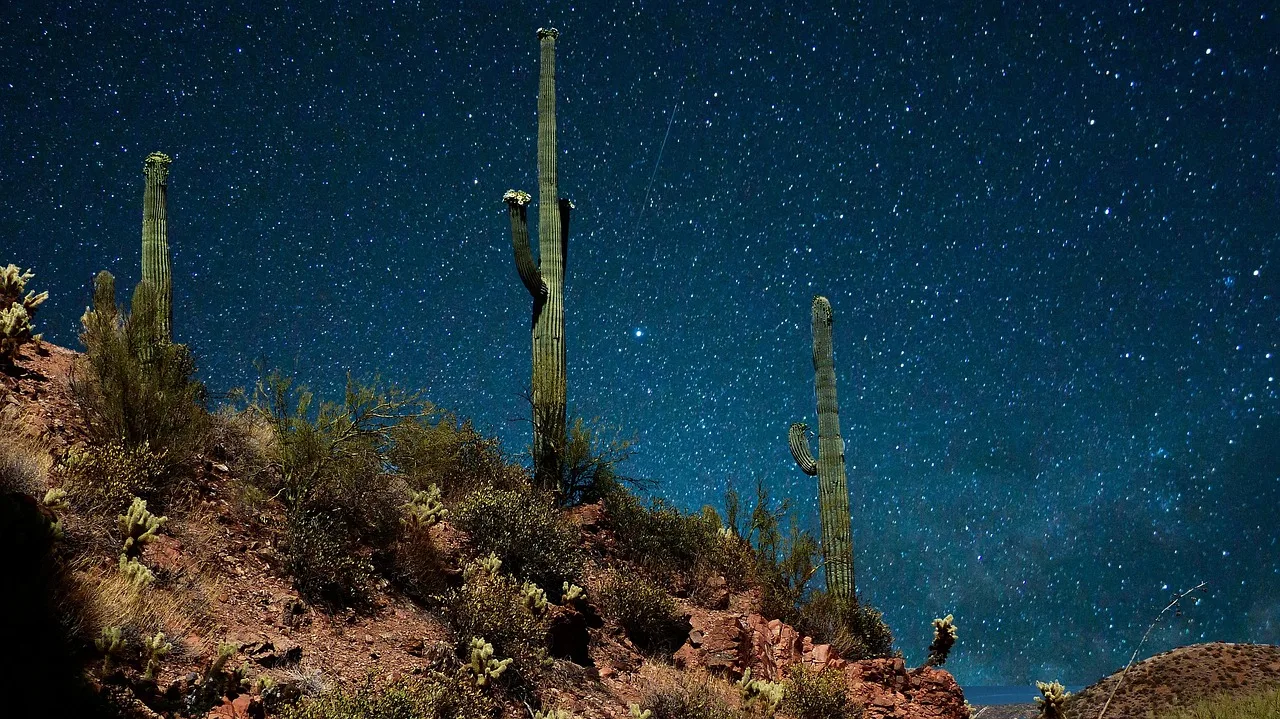
A park can protect its own lighting and still lose its sky. Skyglow travels, and the businesses in the nearest town contribute a large share of it. Any plan for stargazing trips businesses starts with that. That makes the gateway town a participant rather than a bystander. It also makes night visitors a commercial opportunity that most towns are not set up to serve. The two facts are connected.
What to take away
- Light pollution travels a long way, so a town's fixtures affect a park's sky.
- Shielded, warm colored, downward facing lights cut skyglow without cutting safety.
- Night visitors need late food, early breakfast and daytime quiet, which few towns provide.
- Working with the park is a recognized route, and formal partnerships already exist.
Lighting is the main lever
The National Park Service's guidance on protecting the night sky at home and in your community is written for residents but reads as a business checklist. It explains that light pollution comes from the misuse or overuse of outdoor lighting. Poorly aimed fixtures cause glare, which harms night vision and can create safety problems.
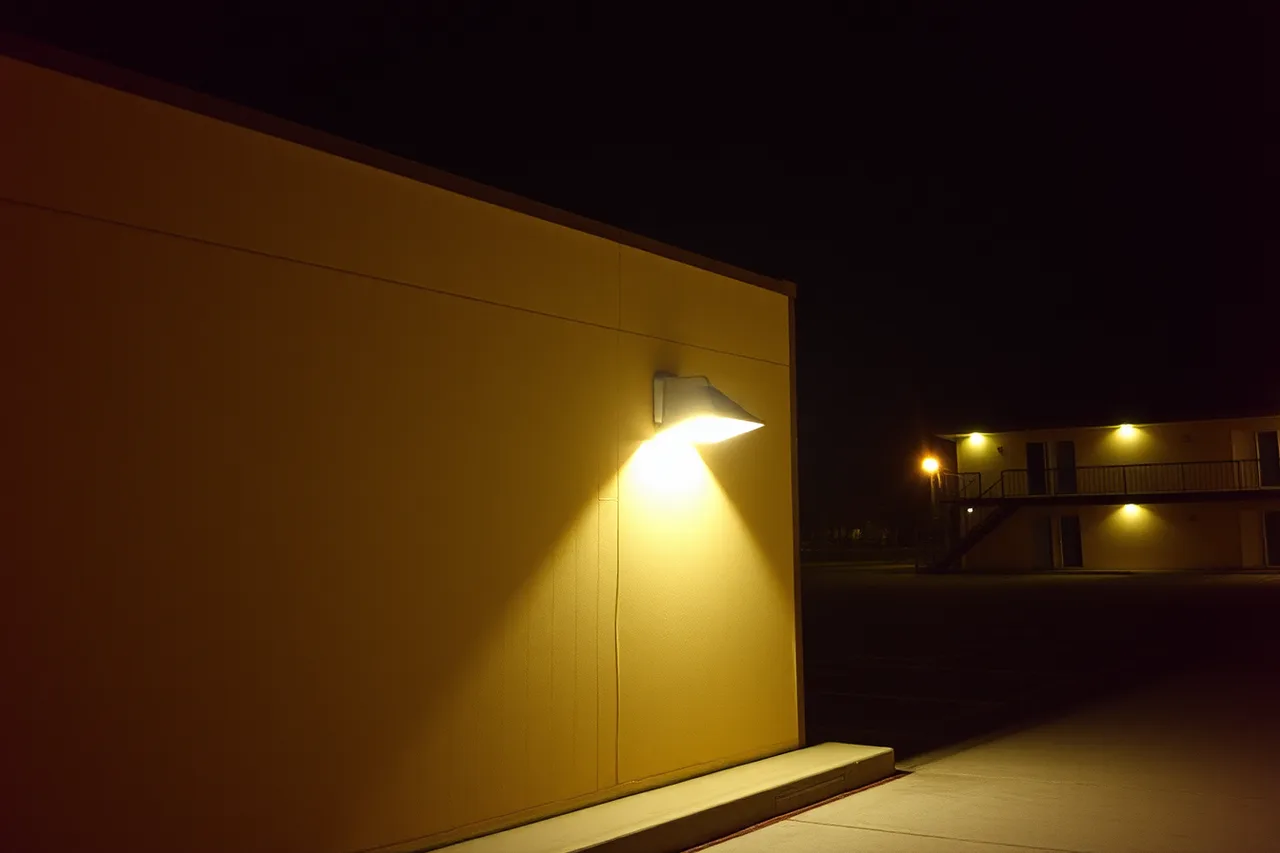
Replacing old fixtures with efficient warm white light saves money while reducing replacement costs. The guidance also notes that light can travel a long way from its source, and that preserving starry skies can support local economic growth through astro-tourism.
For a motel, a diner or a fuel station, the practical version is short:
- Shield every fixture so the lamp is not visible from the side or from the road into the park.
- Aim every light down. No uplighting on walls, signs or trees.
- Choose warm white lamps, not cool or blue-rich white, and the lowest output that still does the job.
- Put parking, walkway and sign lighting on timers, motion sensors or a late-night curfew.
- Keep the lit area tightlight the doorway, not the whole lot.
- Aim security lighting at the asset it protects and below eye level, never outward at the horizon.
Dark sky lighting checklist
- Aim light down at the ground
- Shield the fixture from distant view
- Use warmer color temperatures
- Use the lowest level needed
- Switch off what is not needed
- Add motion sensors instead of all-night light
None of that reduces security. Glare, not darkness, is what makes a parking area hard to see across, and a shielded fixture at half the output usually reads as brighter to the eye. For a property that sells the sky directly, the same retrofit plus a short guest briefing at check in does more than either measure on its own.
There is an existing framework to join
Businesses often assume this is an informal matter of goodwill. It is not. The National Park Service describes its night sky partnerships with the Illuminating Engineering Society and with DarkSky International, the organization that runs the International Dark Sky Places program. It notes that gateway communities need the same standards and practices developed for parks, with the materials made available to communities, counties and states.
That gives a town somewhere to start that is not a guess. It also means a business that upgrades its lighting is contributing to something measurable rather than making a gesture. A town can go further and apply for recognition as an International Dark Sky Community, the designation DarkSky International awards to towns and cities that adopt outdoor lighting policy. Flagstaff, Arizona was the first city to earn it, and Big Bend National Park in Texas holds the park-side version, the International Dark Sky Park designation. A town chasing the trade should also know where a visitor's weekend money actually goes, which is mostly fuel, two nights of lodging and food at odd hours.
What night visitors actually spend money on
Stargazers keep unusual hours, and towns lose their custom by closing at eight. The businesses that do well serve the schedule:
What night visitors spend money on
- Food available late, or packed meals sold in the afternoon for eating at midnight.
- Breakfast that starts late, since guests were up until two.
- Rooms with blackout curtains and a quiet daytime policy.
- Hot drinks, hand warmers, cheap blankets and red flashlights, sold near the exit road.
- Clear information on where to observe locally, so visitors do not trespass by accident.
The joint pitch
The strongest position for a town is to be the place that people sleep near, not the place they drive through. That requires darkness, food and beds, in that order, the sequence our guides to staying near a dark-sky park and to planning stargazing trips walk through in detail.
The pitch is one sentence the whole town can use: "Stay where the sky is darkest. We keep the lights down, the kitchen open and a red flashlight on the counter." Backing it up is a sequence any gateway town can run:
- Audit the town's outdoor lighting with the park's night sky staff and rank the worst fixtures using the checklist above.
- Adopt a short lighting policy, or a voluntary pledge signed by local businesses, so every replacement fixture meets the same standard.
- Ask one motel, one late-night diner and one fuel station to commit to the list above, then put them on a single page the park can hand to arriving visitors.
- Train counter and front-desk staff to give a two-minute briefing at check-in: lights out, red flashlights, where to drive to observe.
- Schedule around the moon. The darkest nights fall around the new moon, so that is when late service and an open kitchen matter most.
- Ask the utility about commercial lighting rebates before ordering fixtures, and apply for recognition as an International Dark Sky Community once the lighting is in.